



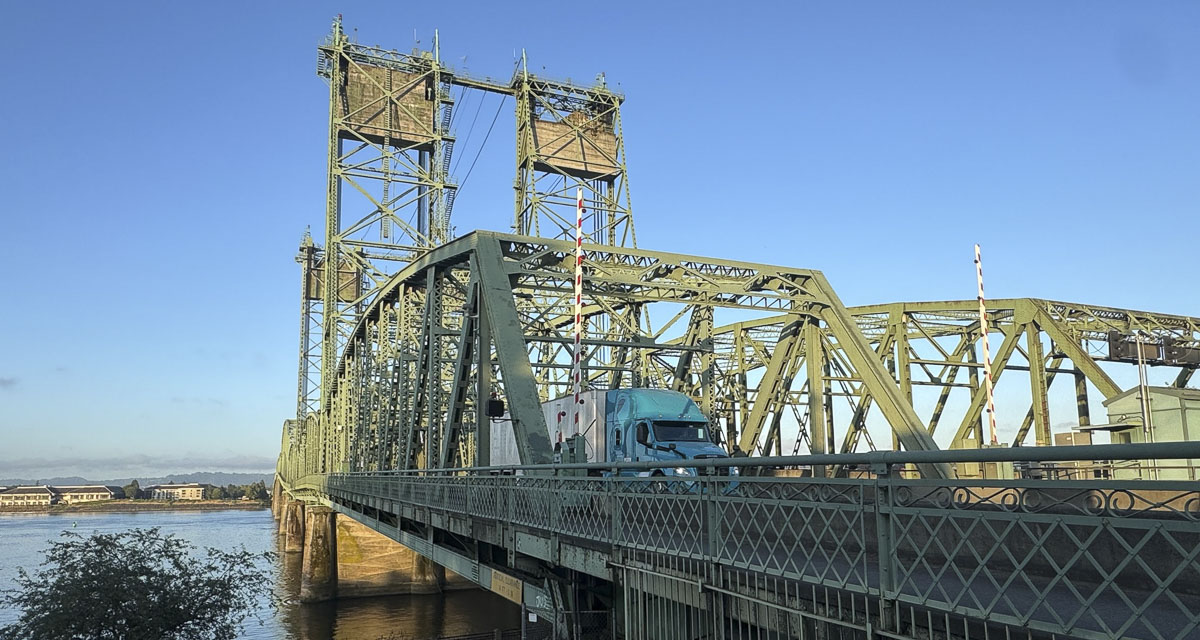
Many in Southwest Washington oppose the $2 billion light rail element of the project due to concerns about cost, potential negative impacts on their communities, and a perceived lack of benefit
Brett Davis
The Center Square Washington
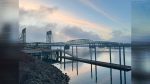
Officials involved in a major project to replace the aging Interstate 5 Bridge over the Columbia River that connects Portland, Ore., and Vancouver, are confident that federal funding for the project won’t be derailed.
That’s even as the Trump administration has terminated approximately $4 billion in unspent federal funding for California’s High-Speed Rail project. The California High Speed Rail Authority is suing the Trump administration over the cancellation of federal funding.
The nearly $2.1 billion in federal funding so far for the Interstate Bridge Replacement Program (IBR) comes primarily from two major grant programs: the $600 million Mega Grant Program and the $1.5 billion Bridge Investment Program. The project also received a $30 million Reconnecting Communities grant.
According to Sam Stites with the IBR Communications Team, the IBR Program is a separate endeavor from the California High-Speed Rail, with its own dedicated funding streams and planning process involving the states of Oregon and Washington and the federal government.
“The grant agreements required to access the $2.1 billion in federal funds already awarded to the Program through the Mega Grant and Bridge Investment Program (BIP) Grant were both fully executed and signed earlier this year by ODOT/WSDOT and the Federal Highway Administration,” he emailed The Center Square.
ODOT is the Oregon Department of Transportation, and WSDOT is the Washington State Department of Transportation.
“A portion of the funds from these grants have already been obligated, with future obligations occurring for the remaining funds once we reach the construction phase,” Stites explained. “The IBR Program currently expects to receive an amended record of decision in early 2026 from the Federal Highway Administration and Federal Transit Administration, which provides federal approval to move to construction.
“The combined $2.1 billion from these grants is critical for the project, and we will continue to work with our federal partners and congressional delegation about our ability to access these funds, and to seek clarity on federal changes as they’re announced.”
Stites noted the complexity of the massive IBR Program, which is estimated to cost between $5 billion and $7.5 billion. This estimate includes the construction of a replacement bridge and other program components, with a projected timeframe of 2025-2035. The IBR Project is currently projected to begin construction in 2026.
“As with any major infrastructure project that requires years of planning and construction, changes in elected leadership from the federal level through local jurisdictions [are] expected,” Stites said. “The IBR Program appreciates the support received across all levels of leadership. We look forward to continued conversations with federal, state and local elected leaders about how we can continue to work together to deliver a safer and more reliable multimodal replacement bridge and corridor.”
The IBR Program is not without controversy, especially regarding the inclusion of light rail. Many in Southwest Washington oppose light rail due to concerns about cost, potential negative impacts on their communities, and a perceived lack of benefit. Proponents argue that light rail is essential for addressing environmental concerns, reducing congestion, improving transportation options, and promoting economic growth.
This report was first published by The Center Square Washington.
Also read:
- Final Supplemental Environmental Impact Statement published for Interstate Bridge Replacement Program
 Federal agencies published the final environmental impact statement for the Interstate Bridge replacement project.
 - Speed cameras designed to bring added safety to work zones
 WSP issued 65,000 infractions in first year, with 59,000 being penalty-free first offenses as program expands statewide.
 - Marie Gluesenkamp Perez seeks federal assistance in combating sea lion predation of salmon & steelhead fishing stock
 Congresswoman pushes for expanded lethal removal authority as sea lions devour Columbia River fish stocks.
 - Opinion: The high cost of hiding – Why IBR’s delayed revenue study is a $15 billion warning sign
 IBR delays critical toll revenue analysis until June 2027, hiding financial details until after project approval.
 - Opinion: The high cost of hiding – Why IBR’s delayed revenue study is a $15 billion warning sign
 IBR delays critical toll revenue analysis until June 2027, hiding financial details until after project approval.
 wpDiscuz
