
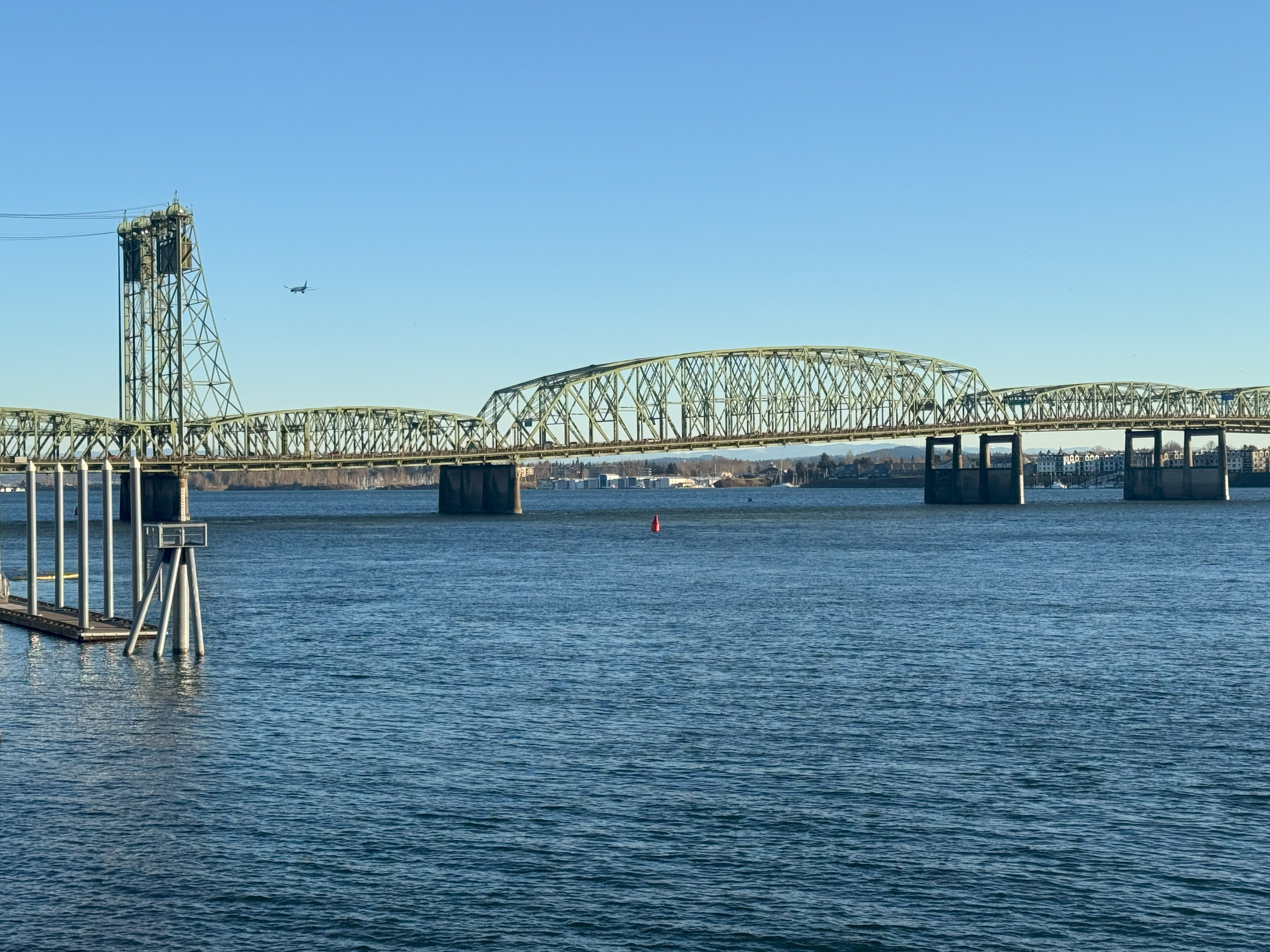
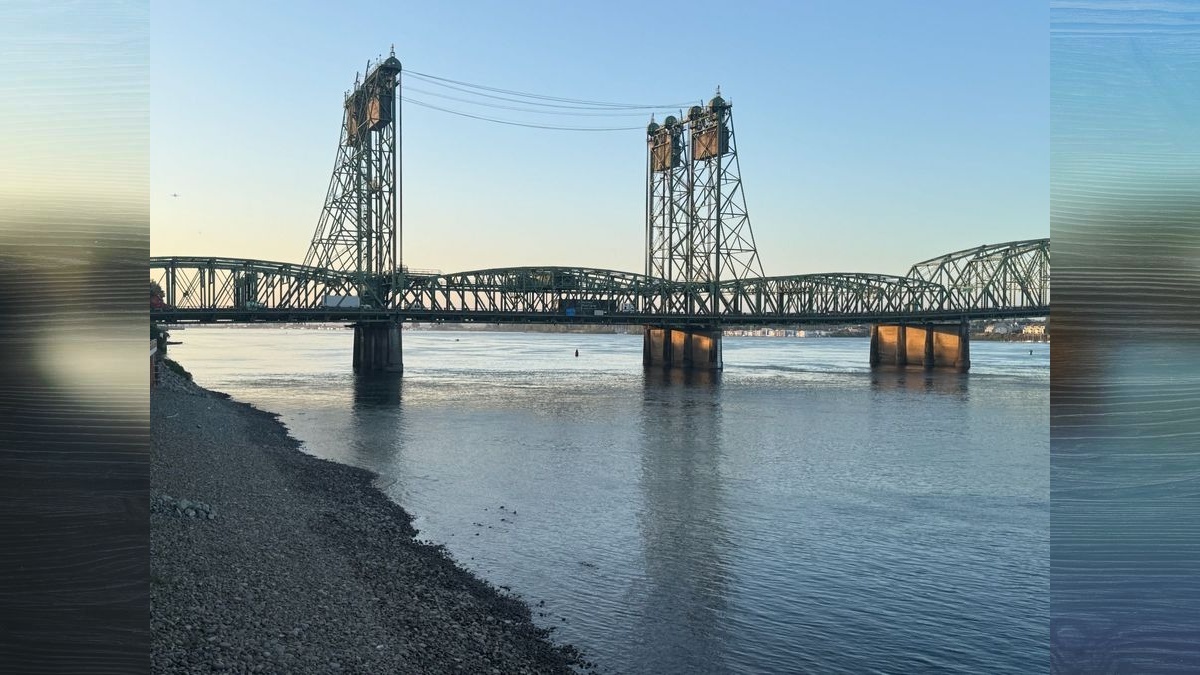
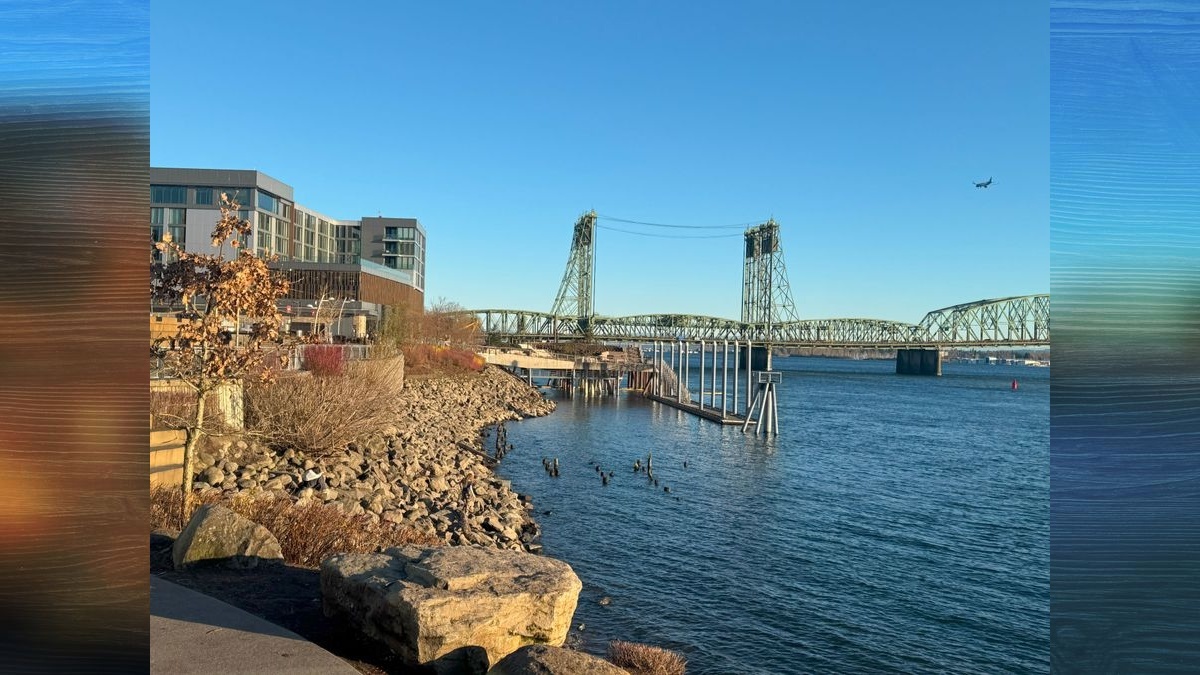
There was no earth-shattering news out of the meeting on Friday, but members of Washington and Oregon transportation commissions did hear from the public about tolls, light rail, and more in regard to the Interstate Bridge Replacement (IBR) Program.
The bi-state commissions reiterated that tolls are coming to the Interstate Bridge beginning in the summer of 2028, in preparation for construction on the Interstate Bridge replacement. To be determined is how much those tolls will cost drivers — and that final decision likely will not come until late 2027.
The commissions heard four potential plans from officials on Friday, based on today’s dollars. Depending on which plan, tolls could be as low as $1.55 during non-peak hours and as high as $4.70 at peak.
For some plans, toll escalation would increase annually by 2.15 percent, while the most expensive proposal has an escalation rate of 3 percent every two years. In all scenarios, tolls will increase with time.
Again, these are simply proposals, but it gives the driving public an idea of what to expect beginning in July of 2028, when tolling is expected to commence.
The most talked about proposal in Friday’s meeting was the second choice, which would have tolls ranging from $1.55 to $3.65 during construction of the replacement bridge, and then $1.65 to $3.90 after the replacement bridge is ready for vehicles, which could be 2035.
“Today our purpose really isn’t to make a decision but to receive information on the traffic and revenue analysis that we asked staff to produce,” said Julie Brown, chair of the Oregon Transportation Committee.
Officials had earlier revealed that $1.5 billion in tolls would be needed to help fund the megaproject.
Before receiving the data in a meeting that lasted three hours, members listened to public comment.
Joe Cortright, director of City Observatory in Portland, which focuses on the economics of transportation, noted that having tolls on I-5 would lead to a “massive traffic diversion to I-205.” It would lead, he offered, to 50,000 fewer vehicle crossings over the I-5 bridge, which means the public would be paying billions for a bridge to carry fewer vehicles that it is carrying now.
That, he said, would be an “unacceptable waste of money.” He said that the current plan would “paralyze” traffic in the region.
Bob Ortblad, a civil engineer and another critic of the IBR, said it is not too late to change course.
“It’s never too late to admit to a mistake,” Ortblad said. “The IBR bridge and its approaches are a financial disaster, safety, and environmental disaster.”
He said that Washington and Oregon leaders should follow the examples of other cities that have rejected massive bridge designs and instead look to an immersed tunnel. He said a tunnel costs less, is faster to build, and is more seismic resilient than this proposed replacement bridge. A less-expensive project could eliminate the need for tolling, as well.
Margaret Tweet, another well-known critic, reminded the commissions that light rail is not required by the federal government on this project.
She also said there is a reason that decisions such as tolling are being made in meetings like this one. Because very few people are aware of these meetings. Yes, they are public, but not exactly well known by the average citizen. Tweet said these matters should be open to a vote.
“They don’t know about it,” she said of everyday people. “When you have a vote, everyone gets a say. Every resident, citizen, of Clark County gets a say. We don’t have a say in this.”
Chris Smith, of Just Crossing Alliance, reached out during public comment to ask commissioners to have a discount on tolling for low-income residents on the first day of tolling. As it sits right now, the discount for low-income residents might not happen until after the replacement bridge opens — not when tolling begins in 2028.
He added that tolling just I-5 will bring unbalance to the transportation system. He said the only “rational” path forward is to toll both bridges.
Carl See, the deputy director of the Washington State Transportation Commission, would later say that currently Washington prohibits tolling on the Washington side of I-205.
While no decisions were made in terms of how much tolls will be, it is clear that the commissions are moving forward with tolls.
“Delivering this bridge requires a balanced funding strategy, and tolling is an essential component of that plan,” said Julie Meredith, Washington State Secretary of Transportation.
“People in the region need this project,” added Lisa Sumption, interim director of the Oregon Department of Transportation. “And tolling is a key component of being able to see it through to completion.”
There will be more public meetings in the coming months, years.
The expected timeline shows that commissioners will release toll rates and scenarios for public input by late spring, early summer of 2027. By the late fall or winter of 2027, commissioners will adopt final toll rates.
“We are committed to clear communication and public engagement as tolling decisions are being developed,” Meredith said.

Comments
Loading comments…