



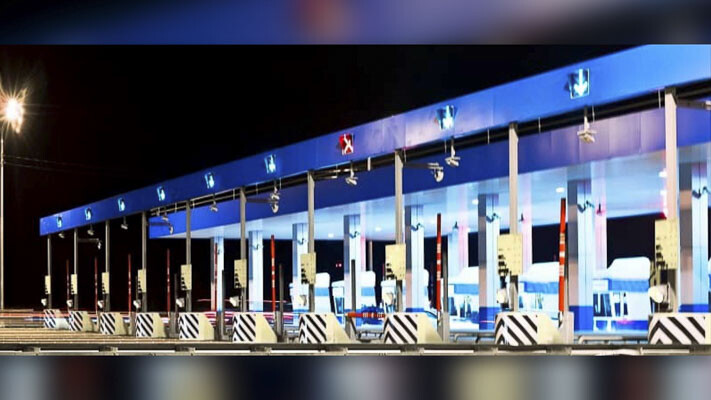
But, they don’t know where they’re going
Dr. Eric Fruits, Ph.D.
Cascade Policy Institute
“We got a full tank of gas, half a pack of cigarettes, it’s dark … and we’re wearing sunglasses.” That line is from the Blues Brothers movie, but it’s an apt description of the Oregon Department of Transportation’s process to impose tolls on I-5 and I-205 all the way from Wilsonville to the Columbia River.
ODOT is gassed up and ready to go with tolling, but they have no idea where they’re going or what they’ll do once they get there.
They don’t know if they want to reduce congestion or maximize revenues. That’s a big question that can have big effects on how much drivers will pay. In particular, it is well known and widely accepted that tolls designed to raise revenues tend to be higher — sometimes much higher — than the tolls needed to reduce congestion.
They don’t know what they’ll do with the money. But, we do know what they won’t do with the money. They won’t be expanding roadway capacity — they’ve made that very clear.
This week, the transportation agency is taking comments on its tolling plan. Cascade Policy Institute will be telling ODOT to halt its tolling plans, step back, and figure out the problem tolls are supposed to solve and whether tolling will actually solve them.
Congestion pricing can be an effective way to reduce traffic jams, while raising money to build new roads. But, a plan that doesn’t reduce congestion and doesn’t build new roads should be a no-go.
Eric Fruits, Ph.D. is vice president of research at Cascade Policy Institute, Oregon’s free market public policy research organization.
Also read:
- Opinion: In plain sight – yielding to pedestrians
 Drivers often fail to see pedestrians due to inattentional blindness, which highlights the need for more focused awareness at intersections and stronger safety practices.
 - Expect delays on SR 14 in Vancouver for guardrail repairs Wednesday
 State Route 14 travelers in Vancouver should plan for morning delays as WSDOT will close two eastbound lanes for guardrail repairs, affecting mileposts 6.0 to 7.0.
 - Overnight closure planned on westbound SR 14 Camas Slough Bridge Tuesday
 WSDOT crews will close westbound SR 14 at Exit 14 in Camas to collect bridge deck samples and plan future repairs; detours will be in effect.
 - Opinion: Stay in your lane – seriously, it’s the law
 Drivers must choose the nearest lane when turning in Washington, and left turns bring added risk. Even with signals, every driver must help prevent crashes by following law.
 - POLL: After hearing state leaders describe the I-5 Bridge as vulnerable in an earthquake, what is your reaction?
 State and local leaders describe the I-5 Bridge as structurally at risk but recommend drivers continue crossing it while complex replacement plans unfold.
