

The IBR team offered no updated budget estimate and reported that it is still awaiting a U.S. Coast Guard decision on bridge clearance
Members of the Washington-Oregon Interstate Bridge Replacement (IBR) Program legislative oversight committee met Monday for their second meeting of the year, but did not receive key details on cost and design decisions.

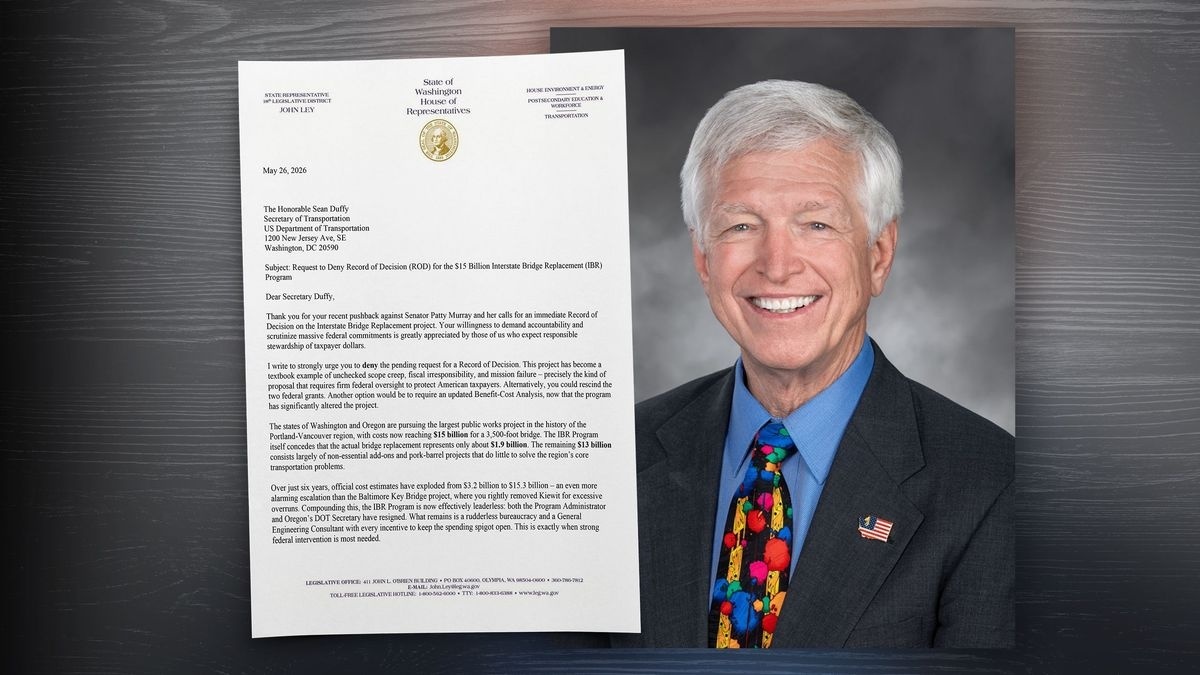
The IBR team offered no updated budget estimate and reported that it is still awaiting a U.S. Coast Guard decision on bridge clearance. They told legislators that cost estimates will not be finalized until after major design decisions are made, and that a movable-span bridge is expected to take longer to price than a fixed-span bridge. After the meeting, Rep. John Ley, R-Vancouver, who represents the 18th Legislative District, issued the following statement:
“I was very disappointed we did not receive an updated cost estimate for the I-5 Interstate Bridge Replacement Program. Both states are facing tight transportation budgets and difficult choices in upcoming legislative sessions. We were promised updated costs at our September meeting, but none were provided today.
“The project, currently estimated at $7.5 billion with $2 billion dedicated to transit, is already behind schedule. With costs rising, we need to discuss ways to scale the project to fit available funding.
“Legislators from both states were frustrated by the committee’s inability to decide on key issues, including whether the bridge will include one or two auxiliary lanes, which has significant implications for the trucking industry. Concerns about light rail and TriMet’s financial situation were also discussed.
“The lack of cost data is especially troubling as Oregon has asked agencies to plan for 5-10 percent budget cuts, yet legislators still lack the information needed to evaluate this project.
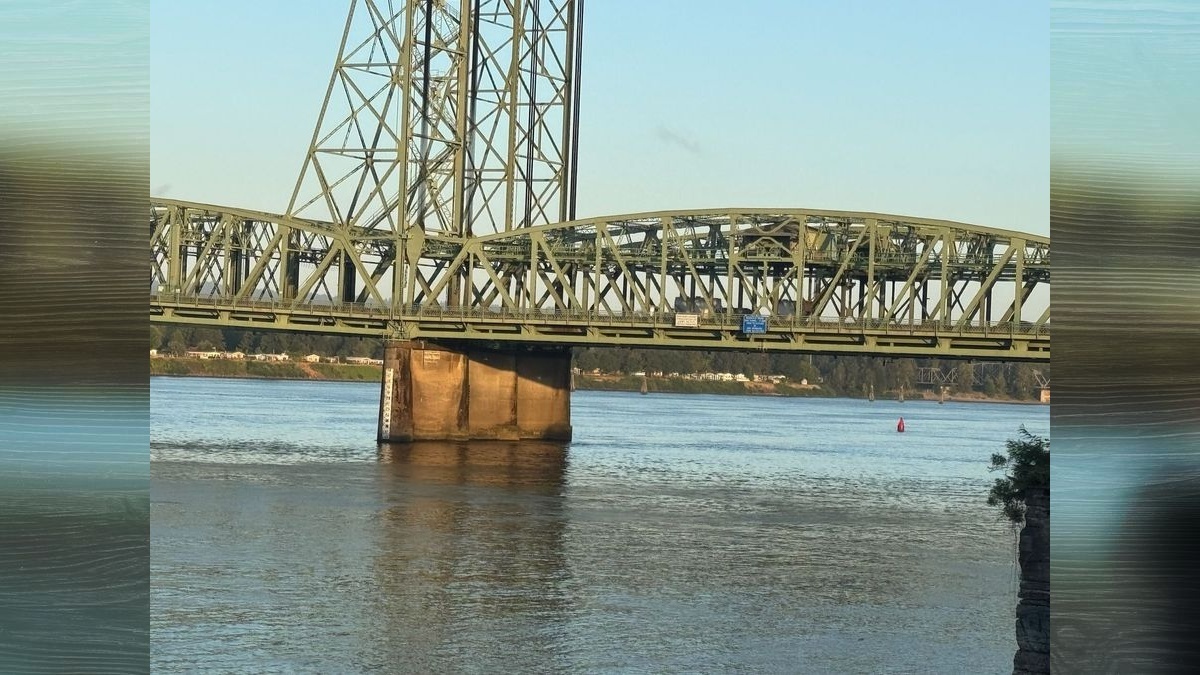
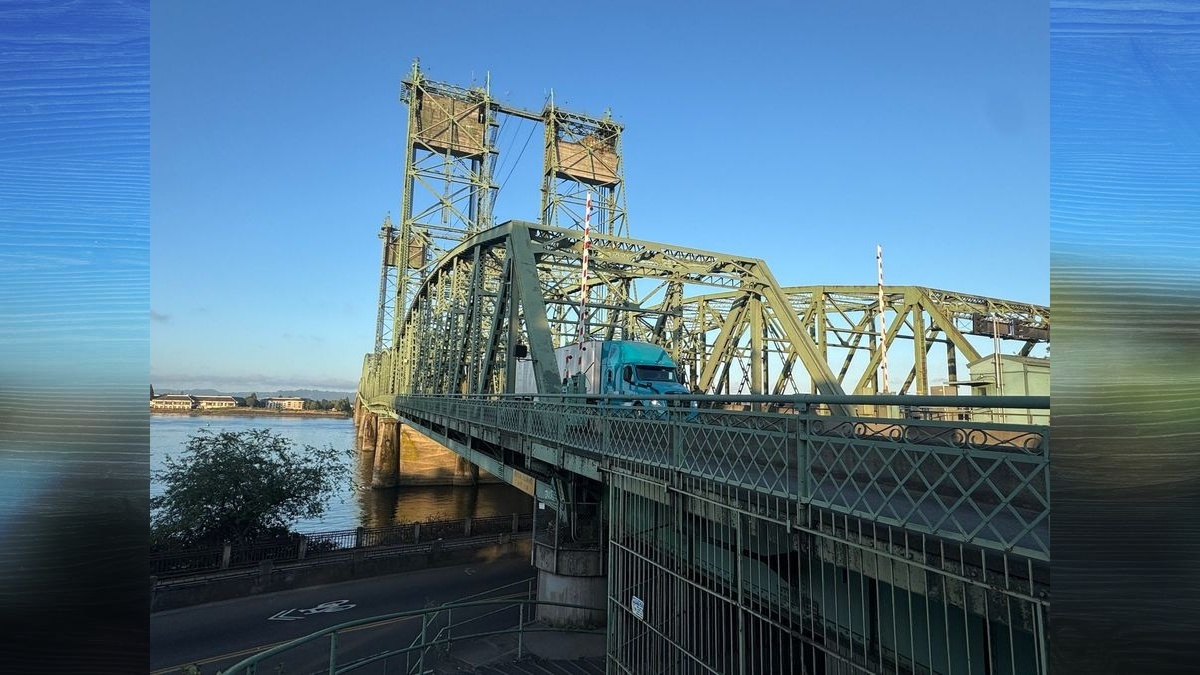
“We were told cost estimates must wait until the Coast Guard decides between a 116-foot fixed span or a movable span providing 178 feet of clearance. The Coast Guard indicated more than two years ago that 116 feet was insufficient. A movable span would add at least $500 million, according to staff. Leaving this decision to the Coast Guard in an apparent attempt to justify higher costs is not good governance and fails to address public concerns.”
The Washington state Legislature begins its 60-day session on Monday, Jan. 12.
Information provided by the Washington State House Republicans, houserepublicans.wa.gov
Comments
Loading comments…