



Mark Harmsworth says by rethinking this fee and embracing market-friendly policies, the city can better serve its residents and foster a more equitable housing market
Mark Harmsworth
Washington Policy Center
Vancouver’s City Council recent 4-3 vote to impose a $30 annual fee per rental unit on property owners has sparked heated debate, particularly among housing providers and tenants already grappling with rising costs. Along with the fee, property owners will be required to pay for regular inspections starting in 2027. Proponents of the new fee argue it will fund necessary tenant protections and housing programs but are ignoring the negative economic effects.

The $30 fee, though seemingly modest, adds a direct cost to landlords’ operating budgets. Inspection costs, which can range from $300-$1000 per unit, adds hundreds of dollars per month, which invariably, will be added to the rate the renter pays. In Vancouver, where many property owners manage a small number of units, sometimes just a single unit, every expense has an effect on the bottom line. Property owners, especially single unit owners, typically work with thin profit margins. According to data from the Rental Housing Association of Washington (RHAWA), maintenance, taxes, and insurance already consume a significant portion of rental income.
Studies from the National Apartment Association show that regulatory fees, like those imposed by Vancouver, often lead to rent increases of 1-2% annually. For a $1,500 monthly rental, that’s an additional $15-$30 per month, hitting tenants hardest who can least afford it, low-income households, seniors, and young professionals. The 1-2% doesn’t take into account the additional cost of the required inspections.
The increased fees discourage investment in new rental housing. Developers already face high construction costs, lengthy permitting processes, and restrictive zoning laws. Adding another layer of fees signals to investors that Vancouver is an expensive place to build and operate, potentially stalling projects that could ease the housing crunch.
So, what should Vancouver do?
First, the city must prioritize increasing housing supply. Streamlining permitting processes and reducing regulatory barriers, such as overly restrictive zoning, would encourage developers to build more units.
Second, Vancouver should explore incentives for landlords, like tax credits for maintaining affordable rents or waiving fees for those who commit to long-term leases for low-income tenants.
Finally, the city should reconsider the $30 fee itself and repeal the ordinance.
Vancouver’s housing crisis demands solutions that prioritize affordability and supply, not additional costs that fuel rent hikes. By rethinking this fee and embracing market-friendly policies, the city can better serve its residents and foster a more equitable housing market.
Mark Harmsworth is the director of the Small Business Center at the Washington Policy Center.

Also read:
- Opinion: Were Republican voters just sleeping during the August primary election?
 CCRP Chairman Matt Bumala says 60% of primary no-shows in the 17th and 18th districts were Republicans.
 - Opinion: WA Cares’ launch showcased care WA Cares did not provide
 Gov. Ferguson showcased a caregiving arrangement at the WA Cares launch that the program had not paid for a single day of.
 - Opinion: Portland’s War on Cars Part 4 – A smarter automobile strategy to end gridlock
 O’Toole argues fuel wasted in Portland-area congestion has sextupled since 1982, generating 250,000 tons of extra greenhouse gases annually.
 - Opinion: The Tooth Fairy’s secrets to making brushing & flossing magical
 Delta Dental of Washington’s Tooth Fairy Experience offers free resources to help children build lifelong brushing and flossing habits.
 - Opinion: Transit ridership trends are dismal but regional plans are oblivious
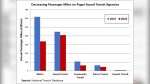 Puget Sound transit passenger-miles fell 31% from 2015 to 2024 despite a half-million-resident population increase.
 wpDiscuz