




Paul Guppy of the Washington Policy Center offers a small foretaste of what we can expect over the next four months or so
Paul Guppy
Washington Policy Center
As Washingtonians take a welcome year-end break to spend time with family and celebrate Christmas, our state’s political leaders are hard at work drafting the agenda for the upcoming legislative session.
The legislature doesn’t meet formally until January 13th, but the governor’s budget proposal, a list of 215 pre-filed bills, and a curious leaked e-mail give us hints of what some lawmakers are planning.
Tax collections are up and there is ample revenue to fund government services, plus increases in most cases, for the 2025-27 budget cycle. Yet some lawmakers want more money, and they know they need a cover story to overcome public resistance.
Also, Brandi Kruse at the [un]Divided podcast revealed Saturday an insider e-mail sent out by Democratic Senator Noel Frame which reveals some of the divisive messaging that may occur in the public debate over the budget.
For those reasons here are some of the political messages you can expect to hear in the coming weeks:
- The state faces a budget “shortfall,” “gap,” “deficit.” Unless the public accepts more tax increases vital public services will be “cut,” “slashed,” “decimated.” Governor Inslee used this kind of messaging when he announced December 17th that he would cut mental health services for children if he doesn’t get a tax increase.
- “Identify the [wealthy] villain” to get the public to accept higher taxes. This message is intended to promote division and get people to turn on each other. The idea is to generate envy and greed among the public, so that raising taxes feels good if it means making someone else pay more.
- Make some people “pay what they owe”. This authoritarian slogan represents a threat to our democracy. No one is above the law. For powerful legislators to announce that anyone owes more in taxes without first taking a recorded vote is undemocratic.
Regarding specific tax-increases, here are some of the proposals we can expect to see starting in January.
- Increasing the B&O tax. Governor Inslee says he wants to increase the state B&O tax on all business owners engaged in “services and other activities” that have earnings of more than $1 million.
- Extending the Seattle head tax statewide. At the behest of socialist councilmember Kasama Sawant, Seattle imposed a “Jump Start” head tax on high-salary employees. Some state lawmakers say they want to extend the Seattle head tax to either all Washington companies with at least $8 million in payroll or to all high-salary workers in the state.
- Repealing the voter-approved 1% limit on yearly property tax collections. The more greed-motivated among state lawmakers have chaffed under this popular tax limit since voters passed it in 2001. Repealing it was a major priority in the last session. The public’s reaction caused that effort to fall short, but expect to see the idea proposed again early next year.
- Repealing taxpayer protections against long-term debt. Pre-filed bill HB 1032 seeks to repeal popular protections that require school officials to get a three-fifths vote before imposing public debt that can take local homeowners decades to pay off.
- Imposing more payroll taxes. Olympia has imposed three new payroll taxes in recent years. The state takes the money automatically, so many lawmakers think of it as getting “free money” because most people don’t notice. Expect to see more proposals to tax work-related earnings.
This list is a small foretaste of what we can expect over the next four months or so. Clearly, efforts to create conditions for passing higher taxes will emerge as a significant theme.
While lawmakers will deal with hundreds of pressing issues during the session, we can expect to hear two primary narratives, with many variations, from legislative leaders: The claim that the state needs more money, and the assertion that the people need to shoulder a heavier tax burden.
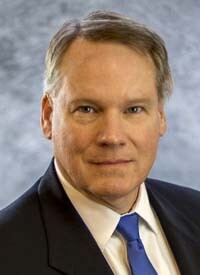
Paul Guppy is the communications manager for the Washington Policy Center.
Also read:
- Vancouver Fire Department responds to emergency aircraft landing on SR-14
 A Cessna aircraft made an emergency landing on State Route 14 near milepost 2 after experiencing mechanical issues.
 - Vancouver Police investigate shooting
 Vancouver Police seek suspect after 20-year-old shot in SE Mill Plain parking lot early Saturday morning.
 - Dollars flowing into a pair of hotly contested WA congressional races
 Amanda McKinney leads 4th District GOP field with $523,892 raised, while Braun trails significantly behind incumbent.
 - Final Supplemental Environmental Impact Statement published for Interstate Bridge Replacement Program
 Federal agencies published the final environmental impact statement for the Interstate Bridge replacement project.
 - Belkot appeals judge’s decision to dismiss her case against Clark County
 Belkot’s attorney says the federal appeals court will hear the case in several months after judge dismissed all five claims.
 - Union baseball, softball teams honor military, veterans, and first responders
 Baseball and softball teams combined efforts to recognize military heroes and first responders with ceremonial pitches.
 - Union baseball, softball teams honor military, veterans, and first responders
 Baseball and softball teams combined efforts to recognize military heroes and first responders with ceremonial pitches.
