


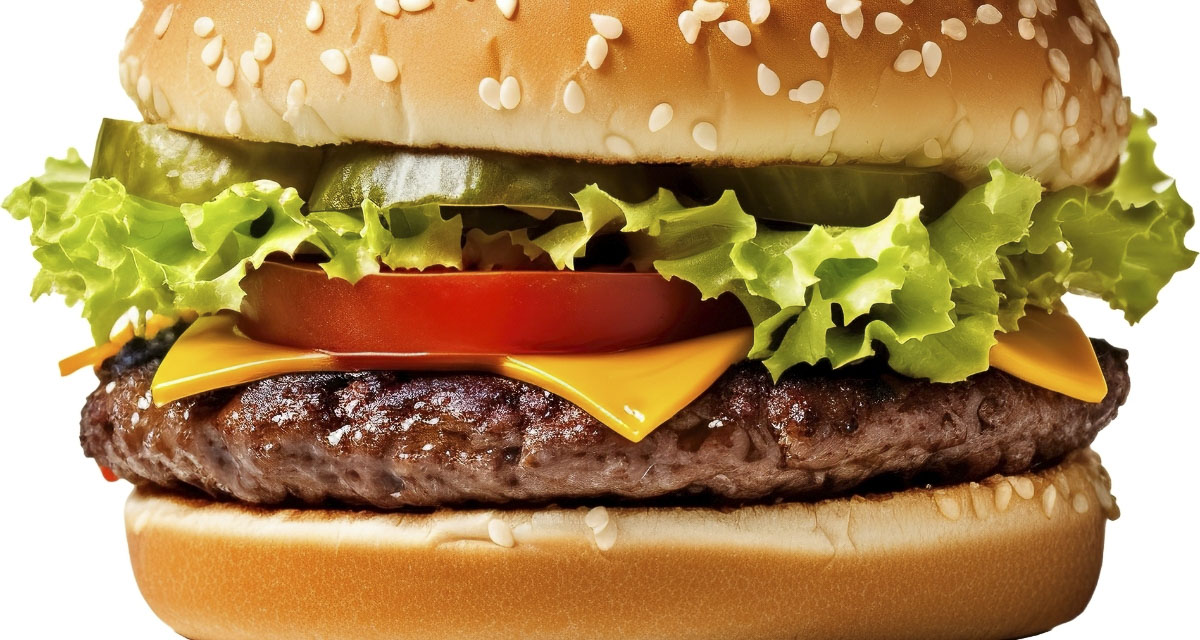
Mark Harmsworth says it’s time to ease the burden and roll back B&O hikes targeting small businesses and index minimum wages more modestly to true affordability metrics
Mark Harmsworth
Washington Policy Center
Recent data from Wendy’s restaurant paints a stark picture of economic strain gripping America’s lower wage earners. Since March 2025, households earning under $75,000 visiting Wendy’s restaurants, have plummeted high single-digit to low double-digit percentages year-over-year, with young adults aged 18-34 (Wendy’s core demographic) leading the exodus.

Wendy’s CFO, Ken Cook, noted at a recent conference: “Wendy’s continues to see consumer pressure, particularly at the lower end of the income spectrum.”
The iconic Dave’s Single burger, once a budget staple, has seen sales erode as inflation-weary families pivot to cheaper home-cooked meals. It’s a symptom of a mixed recovery pattern since the pandemic. The affluent dine out unabated, while the lower income families are watching every dollar.
In Washington state, this trend hits hardest, amplified by aggressive minimum wage mandates and escalating business taxes that force corporations to hike prices. The state’s 2025 minimum wage stands at $16.66 per hour, the nation’s highest, up from $16.28 in 2024, tied annually to the Consumer Price Index.
Proponents tout minimum wages as a lifeline for low-wage workers, but evidence reveals the opposite. Minimum wage hikes erode the very purchasing power they aim to protect. A University of Washington study on Seattle’s phased $15 minimum wage found that while nominal wages rose, employers offset costs by slashing hours, leaving low-wage workers with scant net gains.
Nationally, a Purdue University analysis from 2015 estimated that elevating fast-food wages to $15 would trigger a 4.3% menu price surge, directly squeezing affordability for the less wealthy. History, unfortunately, has proved that a 4.3% increase was grossly underestimated.
California’s recent $20 fast-food minimum wage implemented in April 2024, it spurred a 6.6% short-run price increase at chains like Wendy’s and McDonald’s, per UC Berkeley economists, yet even they acknowledge the pass-through effect hits low-income diners hardest.
Seattle’s dining costs are 17% above the national average in major cities, largely attributable to wage mandates compressing razor-thin profit margins and compelling price adjustments.
Compounding this, Washington’s Business & Occupation (B&O) tax, levied on gross receipts, not profits, burdens restaurants further. Starting October 2025, retailing B&O rates climb to 0.5% (from 0.471%), while services over $5 million in revenue hit 2.1% (up from 1.75%).
Food and hospitality lobbies warn this will cascade into higher menu prices, as seen in a 2025 push against a three-year supplier surcharge that threatened to inflate grocery and restaurant tabs statewide.
Small eateries, already reeling from post-pandemic supply shocks, pass these taxes downstream, exacerbating the inflation gap between food away from home (FAFH) and at home (FAH), now a mere “couple of points” but still punitive for the those struggling to make ends meet.
The Washington Policy Center has long argued that such policies trap consumers in a cycle of higher costs without real relief. Despite 4.53% wage growth for lower-wage jobs from 2020-2025, per the Economic Policy Institute, living expenses outpace gains.
Wendy’s, by pricing more conservatively than rivals, positions for a rebound, but only if policymakers reverse direction.
It’s time to ease the burden: Roll back B&O hikes targeting small businesses and index minimum wages more modestly to true affordability metrics. Otherwise, consumers won’t just ditch Dave’s Single, they’ll be priced out of the American Dream altogether.
Mark Harmsworth is the director of the Small Business Center at the Washington Policy Center.

Also read:
- Opinion: Were Republican voters just sleeping during the August primary election?
 CCRP Chairman Matt Bumala says 60% of primary no-shows in the 17th and 18th districts were Republicans.
 - Opinion: WA Cares’ launch showcased care WA Cares did not provide
 Gov. Ferguson showcased a caregiving arrangement at the WA Cares launch that the program had not paid for a single day of.
 - Opinion: Portland’s War on Cars Part 4 – A smarter automobile strategy to end gridlock
 O’Toole argues fuel wasted in Portland-area congestion has sextupled since 1982, generating 250,000 tons of extra greenhouse gases annually.
 - Opinion: The Tooth Fairy’s secrets to making brushing & flossing magical
 Delta Dental of Washington’s Tooth Fairy Experience offers free resources to help children build lifelong brushing and flossing habits.
 - Opinion: Transit ridership trends are dismal but regional plans are oblivious
 Puget Sound transit passenger-miles fell 31% from 2015 to 2024 despite a half-million-resident population increase.
 wpDiscuz