


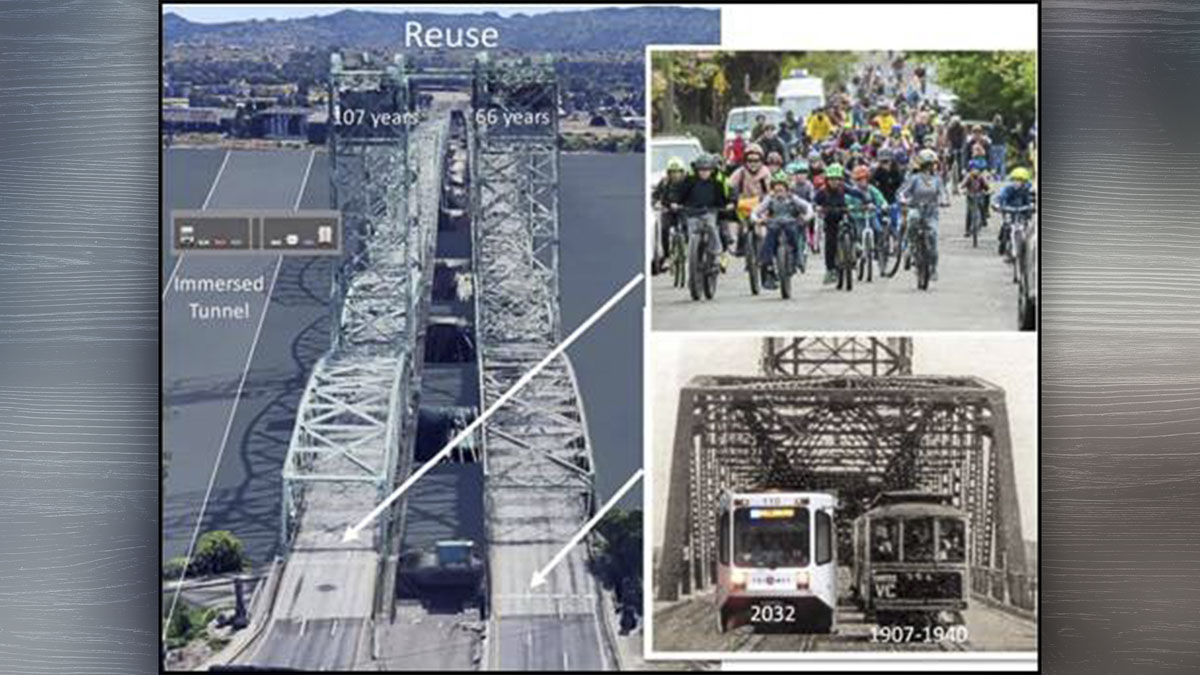
Neighbors for a Better Crossing offers a ‘practical, cost-effective solution for the I-5 crossing that will save billions’
Neighbors for a Better Crossing
For years, the Interstate Bridge Replacement Program (IBR) has advanced the claim that the existing I-5 Interstate Bridge is seismically unsafe and must be replaced with a mega bridge project costing billions of dollars. However, multiple independent engineering reports and seismic analyses directly refute that narrative.
Neighbors for a Better Crossing (NFBC), a coalition of transportation experts, civil engineers, past and present state government officials, neighborhood organizations, and residents most affected along the project corridor, has released a comprehensive five-page summary detailing what it describes as IBR’s systematic disinformation campaign.
This five-page summary and supporting documentation was sent to every Senator and Representative in both Oregon and Washington and includes links to seismic studies, engineering reports, and investigative articles by credentialed experts that challenge IBR’s core seismic claims and financial assumptions.
“Like all major bridges, the Interstate Bridge is required to undergo periodic seismic updates,” said Gary Clark of Neighbors for a Better Crossing. “Engineering evidence shows the bridge can remain structurally viable through mandated seismic retrofits — just as countless other long-standing bridges across the country continue to do.”
Clark emphasized that NFBC’s goal is not to obstruct progress, but to ensure transparency and fiscal responsibility.
“Our organization and supporters want to be a partner in solving traffic congestion at the I-5 crossing,” Clark said. “We support improving mobility and safety. What we oppose is a multi-billion-dollar mega bridge justified by claims that are not supported by the full body of engineering evidence.”
In addition to addressing seismic concerns, the newly released summary outlines a practical alternative recommended by NFBC’s transportation and civil engineering experts. According to Clark, the proposed solution would:
- Reduce congestion at the I-5 crossing
- Cost billions less than the current IBR proposal
- Preserve the natural beauty and environmental character of the Columbia River crossing
- Avoid unnecessary displacement and community disruption
“There is a smarter path forward,” Clark said. “We invite legislators, government officials, and agency leaders to engage in an open discussion about a cost-effective solution that solves congestion without wasting taxpayer dollars.”
The full five-page summary — IBR’s Disinformation Campaign and Demise — including links to seismic analyses and engineering reports, is available here:
Neighbors for a Better Crossing encourages residents, policymakers, and members of the media to review the documentation and share it widely.
Also read:
- Opinion: Portland’s War on Cars Part 4 – A smarter automobile strategy to end gridlock
 O’Toole argues fuel wasted in Portland-area congestion has sextupled since 1982, generating 250,000 tons of extra greenhouse gases annually.
 - Opinion: Transit ridership trends are dismal but regional plans are oblivious
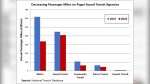 Puget Sound transit passenger-miles fell 31% from 2015 to 2024 despite a half-million-resident population increase.
 - Interstate Bridge Replacement Program seeks qualified firms for bridge replacement contract
 The CRBR project is backed by $5.7 billion from state funds, federal grants, and future tolling.
 - Opinion: Bankrupt – A $3.5 billion Rose Quarter Freeway widening project
 Joe Cortright argues ODOT’s Rose Quarter project has grown from a $450M approval to a $3.5B estimate, with a $2B funding gap.
 - Opinion: Portland’s War on Cars 3 – Ending the war on automobiles
 O’Toole argues Portland should add toll lanes, fix safety hazards, and redesign TriMet routes to end its anti-auto policies.