
Two years ago, Baltimore’s Key Bridge on I-695 was destroyed by a container ship that lost power hitting a critical support pier. Earlier this week, Department of Transportation (DOT) Secretary Sean Duffy and the Maryland governor fired the main contractor, citing extreme concerns about the trajectory of cost increases. Will Washington Governor Bob Ferguson take control and act to stop the out of control cost escalation of the Interstate Bridge Replacement Program (IBR)?

Rep. John Ley
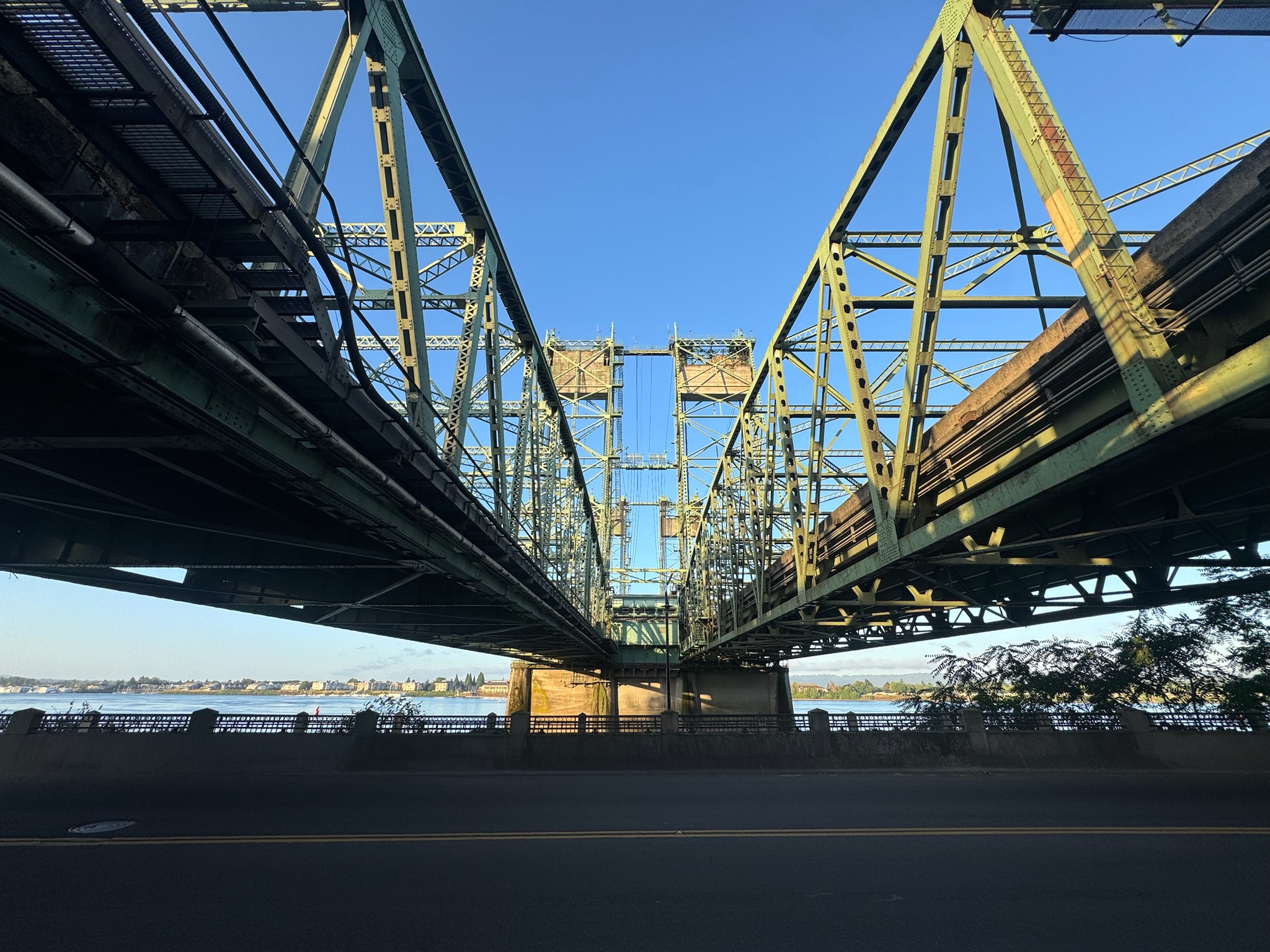
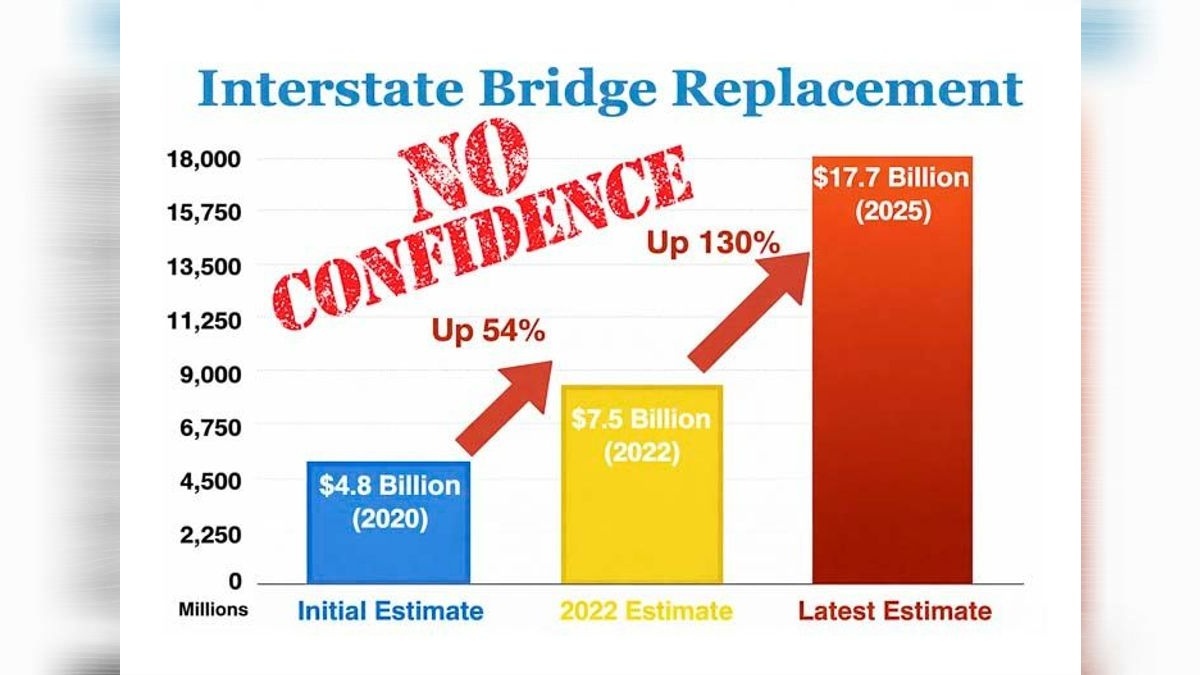
Current IBR cost projections have been revealed to be in a range of $15 billion to $18 billion, with a 20-year time frame for completion. That compares with a current $5.2 billion top price for the Key Bridge and a six-year completion. Will Governors Ferguson and Tina Kotek (Oregon) take a hint and try to protect Washington and Oregon taxpayers from the IBR’s $15-18 billion boondoggle?
It has been two years since the Key Bridge accident. In that time, the replacement bridge is now 70 percent designed. Whereas the IBR has spent six years and its proposed project is only 30 percent designed.
Secretary Duffy told the press “something has to change” regarding the Key Bridge. His administration is extremely concerned about cost increases. “The key is on time and under budget,” he said.
The differences between the two projects only highlight how extreme the IBR proposal truly is.
The Key Bridge replacement is about 11,000 feet long, just over two miles. The IBR replacement is about 3,500 feet, about two-thirds of a mile. One would have expected a bridge three times longer would cost much more than the IBR, not one third the cost.
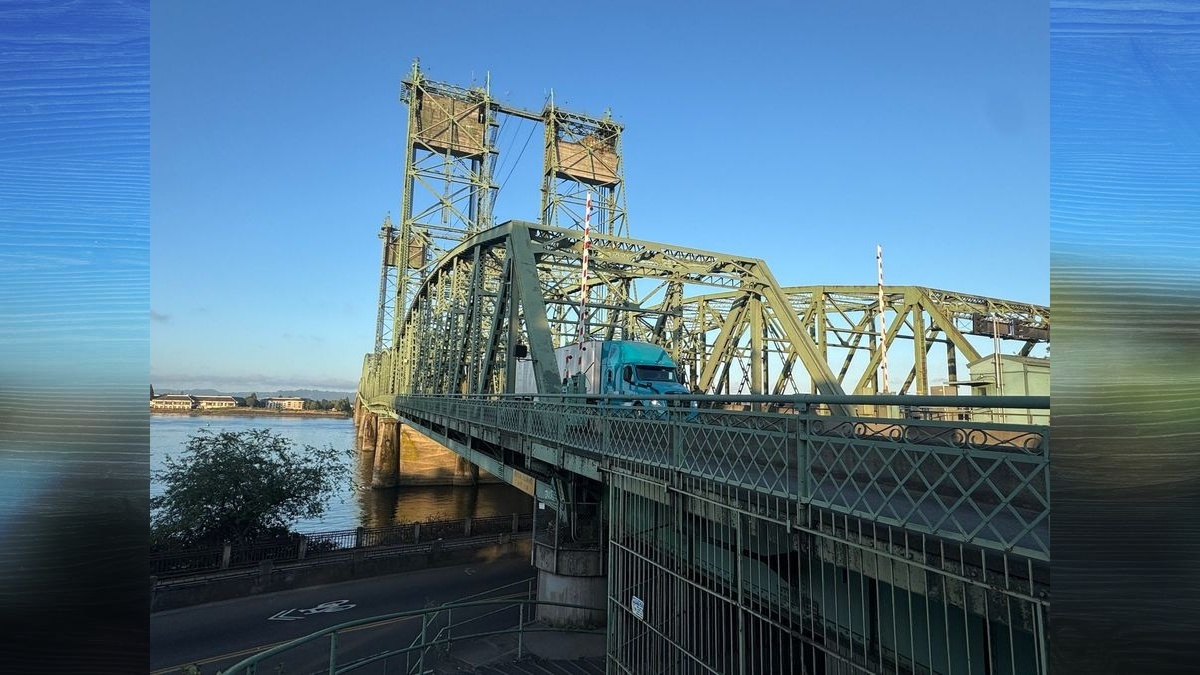
The Key Bridge design will increase clearance for maritime vessels, adding 45 feet to provide 230 feet of clearance for maritime traffic on the water below. The IBR reduces maritime vessel clearance by 62 feet to just 116 feet and is paying four up river firms $141 million as “mitigation.”
One would think a bridge double the height and triple the length would cost more, not less. Clearly something is out of whack with the IBR.
The main span of the new Key Bridge will be 1,665 feet compared to 1,200 feet on the old bridge. This is great added safety for maritime vessels! The more than two-mile bridge length would make it one of the largest cable-stayed bridges in the United States.
Another difference is the Key Bridge has no bike or pedestrian or special transit lanes. The IBR proposes to allocate 54 percent of the bridge surface to transit and “active transportation.” Cars and freight haulers will only get 46 percent of the freeway bridge’s surface.
Presently, the Ferguson-Kotek plan appears to be “phasing” the project, spending $7.6 billion. They appear to be hoping a change in federal administrations in 2028 will bail them out of their funding predicament.
The first phase will include bringing a path for light rail to the Vancouver waterfront, ending the line about 90 feet above the ground. If they can find the money, after delaying the start of construction another two years, they hope to add another $1.5 billion in MAX light rail transit to the project, bringing total transit costs to $3.5 billion.
Additional phase two plans include hundreds of millions for a half mile MAX light rail extension to the Library Square at Evergreen. Vancouver is hoping for two parking n ride facilities adding approximately 1,270 spaces. One would include 15,000 square feet of retail space according to documents obtained by Portland economist Joe Cortright.
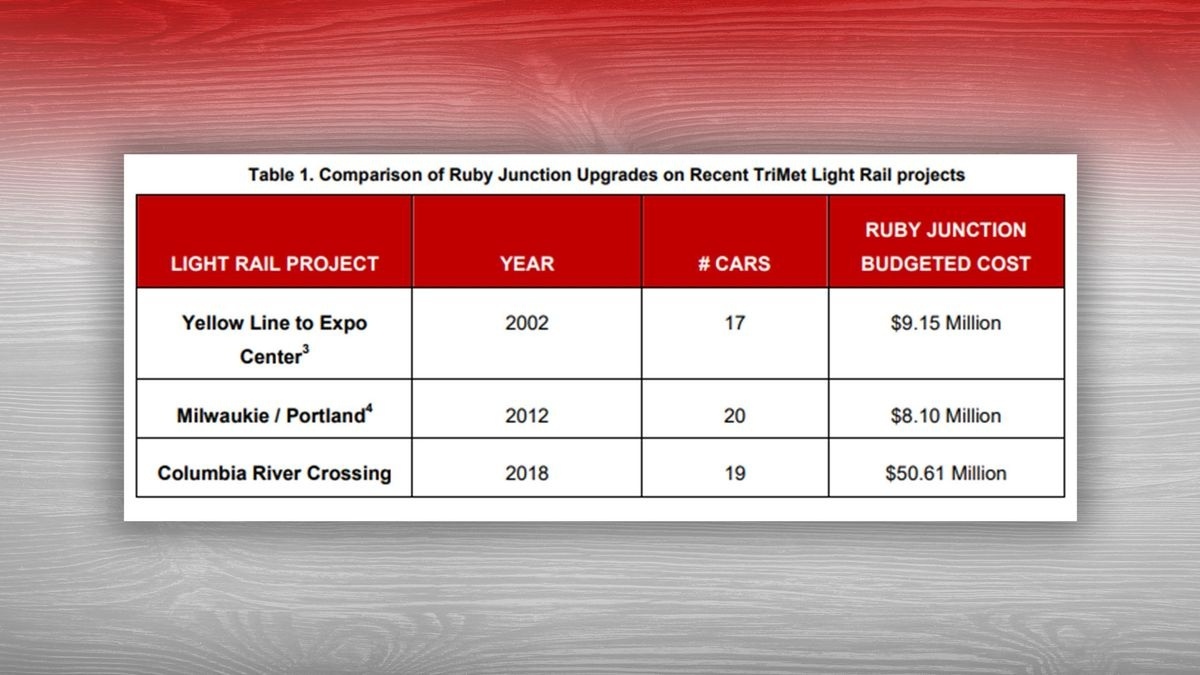
TriMet is hoping to get about $320 million to expand its Gresham maintenance facility (Ruby Junction), in spite of the program saying it only needs three new light rail vehicles. TriMet officials told the Federal Transit Administration in 2024 they had 40 “surplus” light rail vehicles. Why are any needed, especially since TriMet just authorized the purchase of 56 new light rail vehicles?
Let’s hope Secretary Duffy and his team scrutinize the out-of-control IBR. They need to hit the pause button right now and NOT issue a Record of Decision. Excessive costs are just the beginning of so many problems with the current IBR proposal.
Comparison:
Start: Baltimore 2024; Portland/Vancouver 2026 – 2 years vs. 6 years
Design: Key Bridge 70% complete vs. IBR 30% complete
Length: Key Bridge 2 miles; IBR 3,500 feet – Key Bridge is 3 times the IBR
River clearance: Key Bridge 230 feet; IBR 116 feet – DOUBLE the IBR
Lanes: Key Bridge 2 lanes; IBR 3+1 auxiliary
Construction time: Key Bridge 6 years; IBR 20 years
High Cost: Key Bridge $5.2 billion; IBR $15.2 – IBR TRIPLE the cost!
Transit: None Key Br; IBR light rail
TOLLS: Key Bridge Yes; IBR Yes
Governor: Maryland Democrat; WA/OR Democrat
Comments
Loading comments…