


Donald Kimball of the Washington Policy Center believes that allowing a program like Education Savings Accounts would free families from being stuck in a system they mistrust and help their students succeed
Donald Kimball
Washington Policy Center
The 2023-2024 K-12 Report Card has been released by OSPI, and the results continue the pattern of the past few years.
Based on Smarter Balanced standardized testing, only 50.3% of students were considered on track in English, 39.7% in Math, and 43.5% in Science. Last year, the scores were 50.7% in English, 39.1% in Math, and 42.9% in Science.
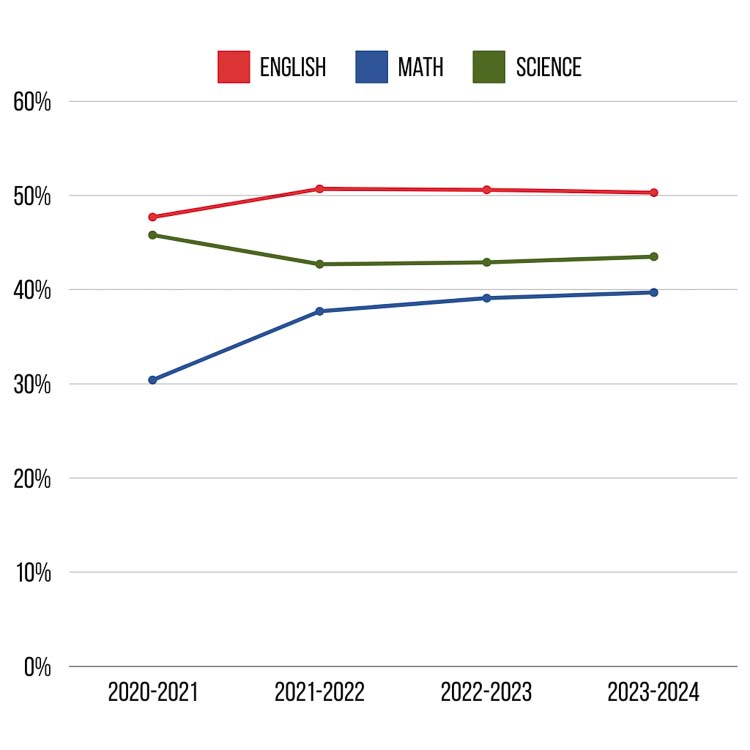
These scores indicate there hasn’t been any serious improvement for public school students since the learning loss from school closures during the pandemic.
Superintendent Reykdahl has been critical of Smarter Balanced assessment and standardized testing broadly, arguing the numbers don’t tell the whole story of a student’s development. Even still, with the public school system a few years past the COVID closures and spending over $18,000 per student, it would be expected that these numbers, even if imperfect, would improve.
Rather than continuing to believe that spending more money on the current system will suddenly improve student learning, parents should be allowed to take the money and direct it in the most effective way possible. This would allow parents who are happy with these scores to keep their children in the public schools, but allow other parents to choose options they feel better suit the needs of their child.
If their student is excelling in their public school, the system already caters to their needs. If, however, these new results cause alarm, allowing a program like Education Savings Accounts would free families from being stuck in a system they mistrust and help their students succeed.
Donald Kimball is the communications manager and text exchange editor at the Washington Policy Center.

Also read:
- Opinion: Were Republican voters just sleeping during the August primary election?
 CCRP Chairman Matt Bumala says 60% of primary no-shows in the 17th and 18th districts were Republicans.
 - Opinion: WA Cares’ launch showcased care WA Cares did not provide
 Gov. Ferguson showcased a caregiving arrangement at the WA Cares launch that the program had not paid for a single day of.
 - Opinion: Portland’s War on Cars Part 4 – A smarter automobile strategy to end gridlock
 O’Toole argues fuel wasted in Portland-area congestion has sextupled since 1982, generating 250,000 tons of extra greenhouse gases annually.
 - Opinion: The Tooth Fairy’s secrets to making brushing & flossing magical
 Delta Dental of Washington’s Tooth Fairy Experience offers free resources to help children build lifelong brushing and flossing habits.
 - Opinion: Transit ridership trends are dismal but regional plans are oblivious
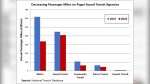 Puget Sound transit passenger-miles fell 31% from 2015 to 2024 despite a half-million-resident population increase.
 wpDiscuz