



Mark Harmsworth believes only vibrant, competitive free markets, unburdened by excessive government control, can deliver abundance at prices people can afford
Mark Harmsworth
Washington Policy Center
Seattle’s new Mayor Katie Wilson has made no secret of her frustration with high grocery prices and store closures. She has declared that “food deserts are not natural” and that “corporations create them when they abandon our communities.” Wilson has floated public options for city-run or city-backed grocery stores and suggested restrictions on chains closing locations. This approach echoes a long-discredited idea that government can simply command prices and availability down by intervening in the market.
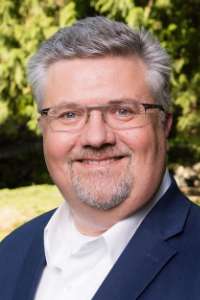
Mark Harmsworth
As the Foundation for Economic Education recently reminded us in a sharp analysis, only a fool or a politician would cap food prices. The results are always the same, shortages, black markets, reduced supply, and eventually higher prices or empty shelves.
Mayor Wilson’s vision suffers from the same fatal flaw. High food prices in Seattle are not primarily the result of corporate greed. They stem from real economic pressures. Washington’s high minimum wage, energy costs, supply chain issues, excessive regulations, rent control, taxes, and permitting delays that drive up the cost of doing business. When grocery chains close underperforming stores in high-cost neighborhoods, it’s not abandonment, it’s economic reality. Forcing stores to stay open or having the city compete with private grocers won’t magically lower costs. It will simply shift the burden to taxpayers while discouraging new private investment.
City-run grocery stores have been tried elsewhere with predictably poor results. Government stores face the same cost pressures as private ones, plus political interference, inefficiency, and no profit motive to innovate or control waste. New York City’s push for municipal supermarkets is already drawing skepticism for the same reasons. Seattle taxpayers should not be forced to subsidize stores that the market has already deemed unsustainable.
The free market offers a far better path. Prices are signals. High grocery prices tell producers and retailers where demand is strong and where more supply is needed. They incentivize innovation, efficiency, and new entrants. When government distorts those signals through caps, mandates, or public ownership, shortages follow. Consumers suffer most, especially low-income families who rely on affordable, abundant food.
The real solutions to high food prices in Seattle are straightforward and market-oriented.
- Cut regulatory burdens: Streamline permitting and reduce unnecessary rules that inflate costs for grocers and suppliers.
- Reform taxes and labor policies: High minimum wages and mandates drive up prices. Targeted relief for food retailers and small businesses would help more than any public store.
- Encourage competition: Lower barriers for new stores, farmers’ markets, and delivery services instead of punishing chains that leave.
- Address root causes: Tackle homelessness, crime, and public disorder that make neighborhoods unattractive for business investment.
Seattle’s residents deserve access to affordable, fresh food. But pretending scarcity is unnatural or blaming “corporations” won’t fill shelves. Only vibrant, competitive free markets, unburdened by excessive government control, can deliver abundance at prices people can afford.
Mayor Wilson should resist the political temptation to control prices and availability. History shows it never works. Let’s choose proven free-market solutions instead.
Mark Harmsworth is the director of the Small Business Center at the Washington Policy Center.

Also read:
- Opinion: Were Republican voters just sleeping during the August primary election?
 CCRP Chairman Matt Bumala says 60% of primary no-shows in the 17th and 18th districts were Republicans.
 - Opinion: WA Cares’ launch showcased care WA Cares did not provide
 Gov. Ferguson showcased a caregiving arrangement at the WA Cares launch that the program had not paid for a single day of.
 - Auditor, auditor candidate address scrutiny over job title
 Greg Kimsey says roughly 40 county employees hold the deputy county auditor designation Kelly used in his campaign.
 - Opinion: Is Mitchell Kelly misleading voters with his ‘deputy auditor’ claim?
 Clark County HR records show no position called “Deputy County Auditor” has ever existed, Anderson argues.
 - Opinion: Democrats rig the ballot to save their income tax
 Churchill argues the ballot disclosure warning voters of education cuts describes revenue never collected and not yet allocated.