



Outdoor recreationists are encouraged to check fire restrictions for various public land management agencies before they go, as they can vary
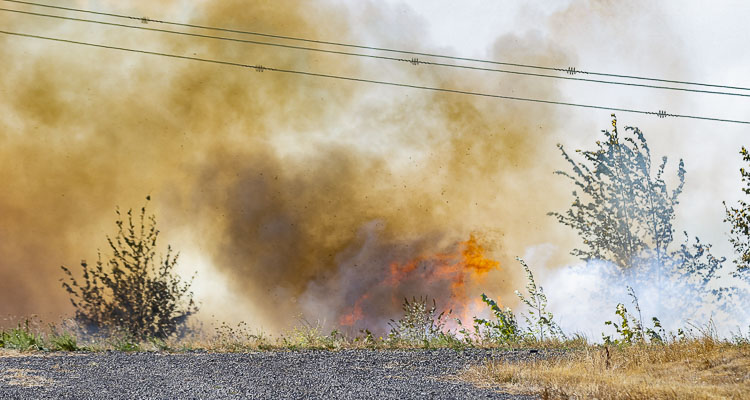
OLYMPIA – The Washington Department of Fish and Wildlife (WDFW) announced Thursday it will lift its campfire and other remaining fire restrictions on most Department-managed lands starting today (Oct. 14).
“While wildfire risk remains high in some areas, the risk of large fires is low and the state’s capacity to fight fires is good,” said Cynthia Wilkerson, WDFW’s lands division manager. “We know folks are eager to enjoy the outdoors this fall season, and we continue to encourage people to recreate with extreme caution to help prevent wildfires. This includes using alternatives to campfires such as propane stoves for cooking and fully extinguishing any campfires that do occur.”
Campfire restrictions for WDFW’s South Central Region including Benton, Franklin, Yakima and Kittitas counties will be in place through Oct. 15. A campfire ban remains in place through Oct. 31 at the Columbia Basin Wildlife Area in Adams and Grant counties and at the Klickitat Wildlife Area in Klickitat County due to their drier, more sensitive nature.
WDFW institutes campfire bans in hot summer months to reduce fire risk across the state on Department-managed lands and surrounding public lands and communities. These actions help protect habitat, wildlife, and human health.
Outdoor recreationists are encouraged to check fire restrictions for various public land management agencies before they go, as they can vary. For more information about fires and fire prevention on public lands, visit the Washington State Department of Natural Resources website or the U.S. Forest Service website. For local restrictions, residents should contact their county.
Maps and detailed information about WDFW’s 33 wildlife areas are available on WDFW’s website. More information about Recreate Responsibly is available at recreateresponsibly.org/.
WDFW manages more than a million acres of land and hundreds of water access areas throughout the state. By actively managing lands, restoring habitats, and preserving wild places, the Department serves as stewards for Washington’s natural places, protecting the state’s land and water for its human and wildlife populations.
Also read:
- POLL: Do you agree with giving a state commission the power to remove an elected sheriff?
 A new poll asks if a state commission—not voters—should have the power to remove an elected sheriff, following concerns raised by Clark County Sheriff John Horch.
 - Opinion: Defending Democracy by denying it?
 Washington voters are blocked from weighing in on new income taxes as state lawmakers and officials bypass public input, drawing criticism from Northwest voices.
 - Camas School District names Ryan Scott as principal of Lacamas Lake Elementary
 Ryan Scott, currently associate principal supporting multiple Camas schools, will become Lacamas Lake Elementary’s new leader following Julie Mueller’s retirement.
 - Ridgefield to host Division I baseball game between UW Huskies and UP Pilots on April 21
 The Ridgefield Outdoor Recreation Complex welcomes two Division I teams this April, offering free entry for local youth players and a rare college matchup in Clark County.
 - Clark County Sheriff shares his concerns with Washington’s new sheriff’s law
 Sheriff John Horch criticizes a new state law allowing a commission to remove elected sheriffs through decertification, arguing it undermines voter authority.
 - VIDEO: Decertified WA sheriffs can now be ousted under controversial new law
 A new Washington law lets an unelected board remove elected sheriffs or police chiefs for misconduct that costs them state certification, raising concerns about free speech and political consequences.
 - Inmate with pending charges in Clark County escapes Western State Hospital
 Joshua Dylan Rice, a Clark County inmate facing robbery and assault charges, escaped Western State Hospital and may have ties to Salmon Creek and North Bend, Oregon.
