



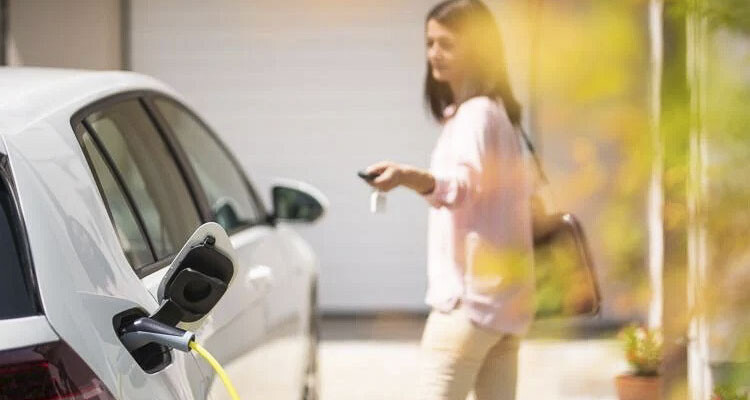
The strategy is connected to a state goal of reaching 100% electric vehicle sales by 2030
TJ Martinell
The Center Square Washington
The state of Washington might create a “cash for clunkers” program to subsidize the purchase of electric vehicles and encourage a transition away from high emission gas vehicles.
It’s one of several potential recommendations under consideration by the state Electric Vehicle Advisory Committee to include in an impending Transportation Electrification Strategy update.
The strategy is connected to a state goal of reaching 100% electric vehicle sales by 2030 and is intended to ensure “that electric vehicle incentives and infrastructure are accessible and available to all Washingtonians.”
According to a TES scenario analysis, “ensuring EV purchase prices are affordable is a key lever for reaching sales goals.” The Seattle Times last year reported that the average cost of an electric vehicle is $66,000, while the statewide median household income is $82,000 according to the U.S. Census.
The draft recommendation by the advisory committee would be to offer a per-vehicle “incentive” of $15,000 for a new or used electric vehicle, at the cost of $450 million over 12 years. The goal would be to have 360,000 gas vehicles scrapped and replaced with electric vehicles.
A similar program was created by the federal government in 2008 known as “Cash for Clunkers,” in which participants could receive $4,500 for their old vehicles. The program ended in 2009 after the government spent $3 billion on it.
Advisory group member Susan Baird-Joshi told colleagues at an Aug. 17 meeting that “I’m hoping this dollar amount is more of an incentive for people to actually trade in their vehicle and be able to get a replacement vehicle that they can use.”
However, Northwest Seaport Alliance Environmental Project Manager Niccolo Graham, also an advisory group member, said at the same meeting that port-run truck scrapping programs “can be a huge, huge administrative burden. If we’re talking about 360,00 cars coming their [scrap yards] way, they should be prepared.”
The TES update will be finalized in December. Public comment will be accepted starting in September through October.
This report was first published by The Center Square Washington.
Also read:
- Vancouver Fire Department responds to emergency aircraft landing on SR-14
 A Cessna aircraft made an emergency landing on State Route 14 near milepost 2 after experiencing mechanical issues.
 - Vancouver Police investigate shooting
 Vancouver Police seek suspect after 20-year-old shot in SE Mill Plain parking lot early Saturday morning.
 - Dollars flowing into a pair of hotly contested WA congressional races
 Amanda McKinney leads 4th District GOP field with $523,892 raised, while Braun trails significantly behind incumbent.
 - Final Supplemental Environmental Impact Statement published for Interstate Bridge Replacement Program
 Federal agencies published the final environmental impact statement for the Interstate Bridge replacement project.
 - Belkot appeals judge’s decision to dismiss her case against Clark County
 Belkot’s attorney says the federal appeals court will hear the case in several months after judge dismissed all five claims.
 - Union baseball, softball teams honor military, veterans, and first responders
 Baseball and softball teams combined efforts to recognize military heroes and first responders with ceremonial pitches.
 - Union baseball, softball teams honor military, veterans, and first responders
 Baseball and softball teams combined efforts to recognize military heroes and first responders with ceremonial pitches.
 wpDiscuz
