



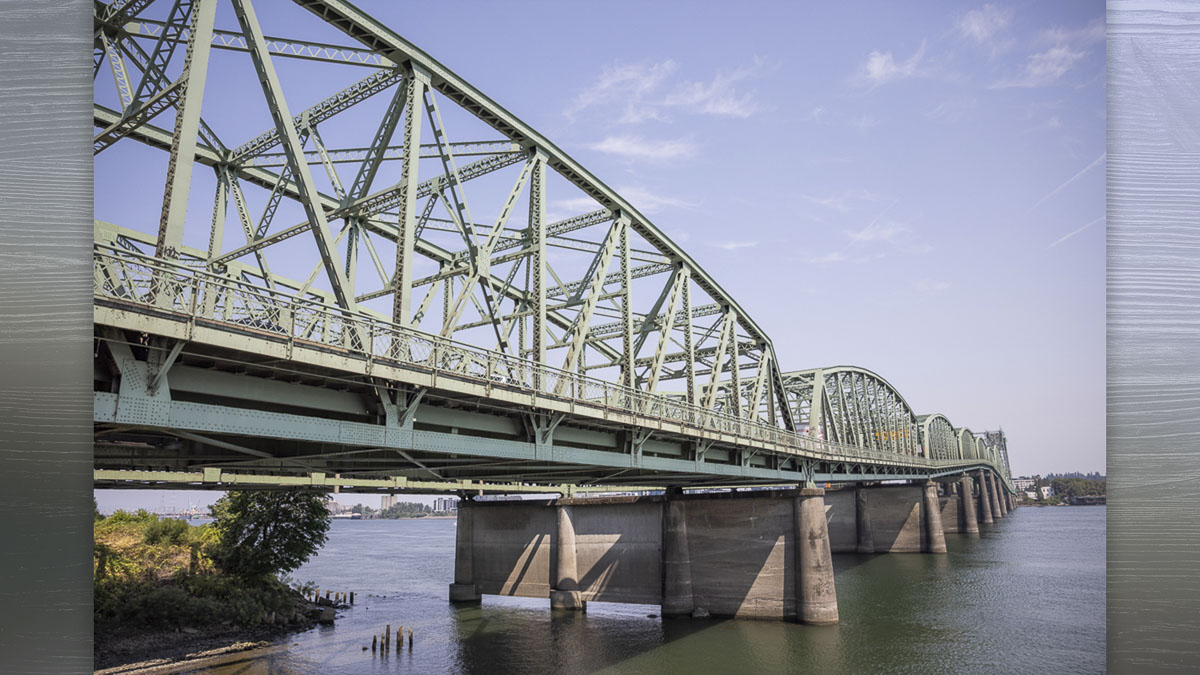
Its release will mark the beginning of the official 60-day public comment period, which will run through Nov. 18, 2024
The Interstate Bridge Replacement program will publish its Draft Supplemental Environmental Impact Statement (SEIS) on Fri., Sept. 20. Its release will mark the beginning of the official 60-day public comment period, which will run through Nov. 18, 2024. For more information, visit IBR Draft SEIS.
For more background and context, view this previous Clark County Today report.
The IBR program will conduct extensive notification and outreach to get the word out to the community when the document is available, and public comment officially opens on Sept. 20. During the public comment period, the public is encouraged to review the document and provide feedback on the benefits and impacts of program investments, including the proposed design options and technical analysis.
The comment period will include a variety of in-person and virtual opportunities for the public to receive information on the Draft SEIS document and how to provide public comment. These events include open houses currently planned in Vancouver (Oct. 15 at Clark College) and Portland (Oct. 17 at Portland Expo Center), as well as virtual public hearings to provide official comment and virtual briefings to learn more about the findings of the document. The IBR website Meetings & Events page will continue to be updated with engagement opportunities as the release date approaches.
The Draft SEIS studies the program’s potential benefits and impacts on transportation, the environment and the local community. The National Environmental Policy Act (NEPA) requires the program to complete this process to evaluate how proposed transportation infrastructure investments might impact areas like air and water quality, parks, historic sites, ecosystems, greenhouse gas emissions, noise, travel times, congestion, economics, land use, property acquisitions, and neighborhoods within the study area. It also analyzes the program’s impact on social issues, such as environmental justice, equity and climate change.
All comments during the 60-day period will be recorded and responded to in the Final SEIS in late 2025. Public input will help inform technical analysis, design options and refine the preferred alternative that will move into the Final SEIS, including the program footprint and mitigations. Following publication of the Final SEIS, an Amended Record of Decision will provide federal authorization for the IBR program to begin construction, anticipated as early as late 2025.
Additional program updates are available in our September newsletter.
Also read:
- 49th Legislative District Democrats share their reasons for backing state income tax at Town Hall
 Three Democrat legislators defended the new income tax affecting only those earning over $1 million annually.
 - Letter: Freeze the scope and build the bridge
 Vancouver resident calls for project discipline after 22 years of planning and nearly half a billion in costs.
 - Opinion: ‘When are we going to get the full and complete details of the Interstate Bridge Replacement Program’s I-5 Bridge replacement project?’
 IBR team buried key details about light rail ending at waterfront with massive elevator system required.
 - POLL: Do you support extending light rail beyond the waterfront to connect with C-TRAN at Library Square?
 Readers can weigh in on Anne McEnerny-Ogle’s proposal to extend light rail beyond the waterfront to Library Square for improved C-TRAN connections.
 - Opinion: Passing a cyclist – Law, myth and a little patience
 Most drivers can’t legally pass cyclists in-lane due to vehicle width versus road measurements.
 wpDiscuz
