



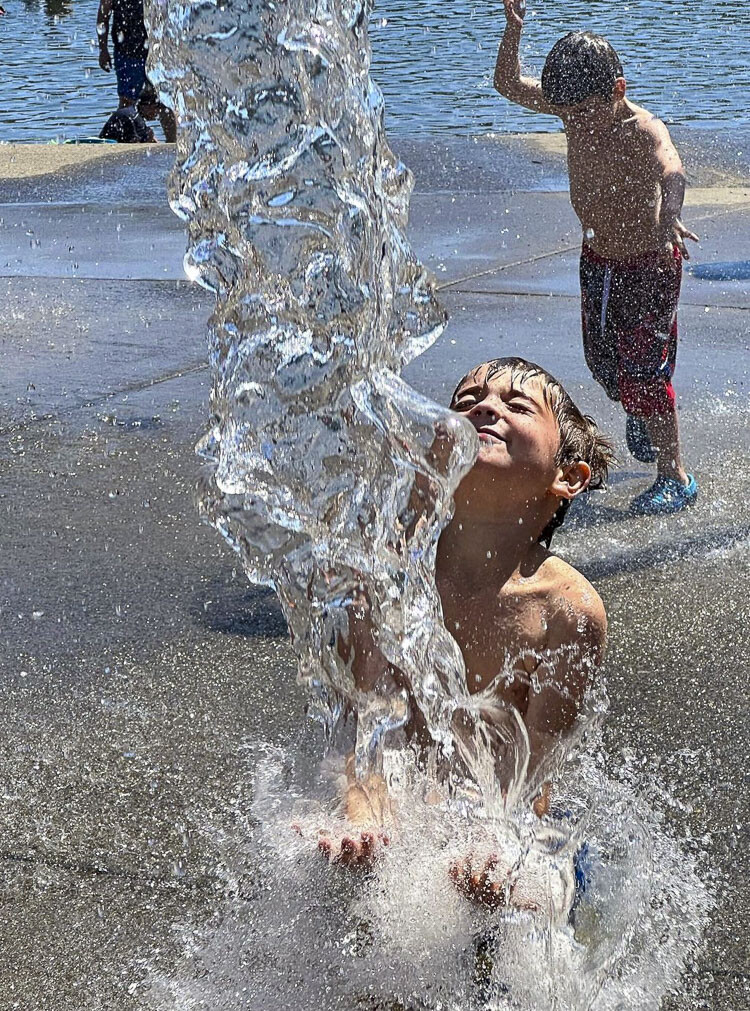
National Weather Service issues excessive heat warning
The National Weather Service is predicting “dangerously hot conditions” across much of Western Washington today through Thursday evening. Temperatures are forecasted to reach the high 90s and pass 100 degrees in some areas. This means it’s time for people to plan and take precautions to stay cool and safe, both outdoors and at home.
Heat-related illnesses and deaths are preventable. Since many Washingtonians do not have air conditioning in their homes, cooling off can be a challenge, particularly for people with health conditions, the elderly, and infants.
Cooling centers are a key resource in protecting people from heat-related illness and other complications caused by hot weather. Many regional cooling centers will be set up across the state and are free to the public during heat events. Dial 2-1-1 or use the statewide online resource here to find cooling centers near you. Call 7-1-1 before dialing 2-1-1 for TYY services. Language assistance is available.
Other key recommendations for heat safety include:
- Stay indoors and in an air-conditioned environment as much as possible.
- Keep your home cool by closing windows and shades during daylight hours. Use your stove and oven less to keep temperatures cooler inside.
- Check on your friends, family, and neighbors before bedtime. Assist those who are vulnerable or at higher risk, neighbors who are elderly, ill, or may need help.
- Stay hydrated. Drink plenty of non-alcoholic fluids but don’t wait until you’re thirsty to drink.
- Keep outdoor pets safe and make sure they have protection from heat. Walk on grass instead of asphalt, which can burn your pet’s paws. Never leave people or pets in a parked vehicle.
- Take frequent breaks when working outdoors. Wear wide-brimmed hats, light-colored, loose-fitting clothing, and protect your skin from sunburn.
- Do not rely on a fan as your only cooling source. While electric fans might provide some comfort, they won’t prevent heat-related illness when temperatures are very hot.
- If you notice symptoms of heat illness (dizziness, nausea, headaches, muscle cramps), act immediately. Move to a cooler location to rest for a few minutes and seek medical attention right away if you do not feel better.
- Avoid extreme temperature changes. Warm temperatures do not necessarily mean warm water. Rivers and lakes are still very cold this time of year, and jumping into cold open water can result in shock, arrhythmias, and drowning. Cold showers combined with hot body temperatures can cause hypothermia, especially for elders and children. Ease into temperature changes.
- Follow water safety tips if you go swimming or boating. Remember swimming in open water is very different from swimming in a pool. Make sure to wear a life jacket that fits.
- Check for restrictions or warnings in your area before lighting outdoor fires. High temperatures and dry conditions increase wildfire risk.
Read the Centers for Disease Control and Prevention’s list of frequently asked questions regarding extreme heat here.
The DOH website is a source for information. Find on Facebook and follow on Twitter. Sign up for the DOH blog, Public Health Connection.
Also read:
- State Representatives McClintock and Ley answer questions at town hall in Battle Ground
 Residents voiced rising concerns about property taxes, school funding debates, the impact of new income tax legislation, and major costs tied to the Interstate Bridge plan.
 - As Washington gets an income tax, the fight to overturn it begins
 Opponents are organizing lawsuits and potential ballot measures to challenge the new 9.9% income tax on Washington households earning over $1 million.
 - Battle Ground Police arrest suspect in fatal 2025 crash
 Laboratory results from a blood sample collected in 2025 provided probable cause for police to arrest Michael T. Smith, more than a year after the Battle Ground crash.
 - Vancouver Police seeking missing person
 Vancouver Police are searching for 62-year-old Carrie Ann Winters, who was last known to be near Frenchman’s Bar in west Vancouver. She has distinctive tattoos.
 - VIDEO: WA diesel hits record $6.53, crushing truckers and school budgets
 With diesel nearing $6.53 per gallon in Washington, trucking businesses and school districts now confront sharply higher fuel expenses affecting budgets and workers.
 - WA’s status solidifies as one of the most expensive places in US
 A new study shows Washington outpaces most states on cost of living, with metrics revealing a sharp rise in daily expenses and major metro areas ranking among the nation’s most expensive.
 - Opinion: Someone explain the Democrat Party to me please
 Lars Larson criticizes Democrat politicians for shutdown threats, Homeland Security funding refusals, and positions on election laws, housing, and gun rights.
