



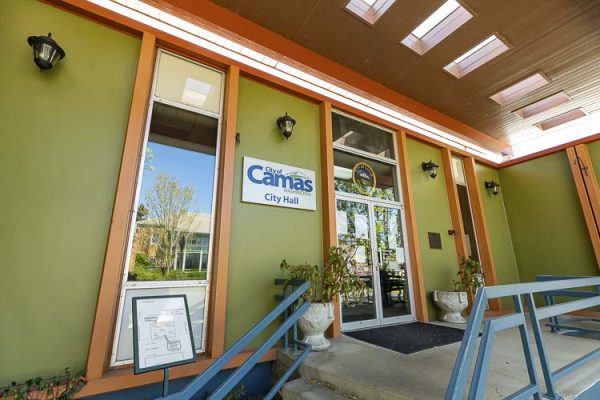
Area citizens concerned about the issue are encouraged to attend the 7 p.m. meeting at Camas City Hall, located at 616 NE 4th Avenue in Camas
On Monday (Feb. 3), members of the Camas City Council will consider a proposed resolution against the extension of TriMet’s Yellow Line (light rail) into Vancouver as part of the Interstate 5 Bridge project.
Area citizens concerned about the issue are encouraged to attend the 7 p.m. meeting at Camas City Hall, located at 616 NE 4th Avenue in Camas.
Resolution No. 25-001 reads:
NOW, THEREFORE BE IT RESOLVED, by the Council of the City of Camas as
follows:
Section I
The City states its opposition to the Light Rail extension as part of the I-5 Interstate
Bridge Replacement project and urges this component to be removed in its entirety.
ADOPTED at a regular meeting of the Council of the City of Camas, this 3rd day of
February, 2025.”
For more information, go to Camas.City Council.
Also read:
- Opinion: Half the road, full stop – Understanding pedestrian right-of-way
 Doug Dahl explains how Washington’s law requires drivers to stop when a pedestrian is within one lane of their half of the road, not just when directly in front.
 - Opinion: What is the cost of a bridge?
 John Ley argues the I-5 Bridge replacement’s soaring cost stems from costly extras like light rail, noting other states deliver larger, toll-free bridges for much less.
 - Letter: Vancouver Mayor Anne McEnerny-Ogle makes several serious and incorrect engineering statements
 Bob Ortblad critiques engineering claims by Vancouver Mayor Anne McEnerny-Ogle, highlighting cost and safety advantages of an immersed tunnel for the I-5 crossing.
 - Washington’s studded tire deadline is March 31
 Drivers must remove studded tires by March 31 or face a $137 fine, with WSDOT urging early action due to busy service centers and no planned deadline extension.
 - VIDEO: WA diesel hits record $6.53, crushing truckers and school budgets
 With diesel nearing $6.53 per gallon in Washington, trucking businesses and school districts now confront sharply higher fuel expenses affecting budgets and workers.
 wpDiscuz
