


Vancouver resident Kris Greene urges our state’s legislators to reconsider the cap and trade program
Editor’s note: Opinions expressed in this letter to the editor are those of the author alone and do not reflect the editorial position of ClarkCountyToday.com.

Washington State’s recent Cap and Trade program, backed by Governor Inslee, has brought about unforeseen hardships for our citizens. The tangible outcomes behind environmental stewardship have been far from positive. Our state now bears the burden of the highest gasoline prices in the nation.
It’s disheartening to hear tales of families faced with the impossible choice of fueling their vehicles or putting food on their tables. Such decisions should never be a reality in our prosperous state. While curbing carbon emissions is imperative, it should not be at the expense of our residents’ day-to-day livelihoods.
I urge our state’s legislators to reconsider the cap and trade program. It’s essential that we strike a balance between environmental progress and economic viability for all Washingtonians. Let’s look for sustainable solutions that don’t force our families into untenable situations. Low income families are hit the hardest.
Kris Greene
Vancouver

Also read:
- Opinion: Were Republican voters just sleeping during the August primary election?
 CCRP Chairman Matt Bumala says 60% of primary no-shows in the 17th and 18th districts were Republicans.
 - Opinion: WA Cares’ launch showcased care WA Cares did not provide
 Gov. Ferguson showcased a caregiving arrangement at the WA Cares launch that the program had not paid for a single day of.
 - Opinion: Portland’s War on Cars Part 4 – A smarter automobile strategy to end gridlock
 O’Toole argues fuel wasted in Portland-area congestion has sextupled since 1982, generating 250,000 tons of extra greenhouse gases annually.
 - Opinion: The Tooth Fairy’s secrets to making brushing & flossing magical
 Delta Dental of Washington’s Tooth Fairy Experience offers free resources to help children build lifelong brushing and flossing habits.
 - Opinion: Transit ridership trends are dismal but regional plans are oblivious
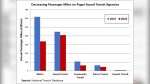 Puget Sound transit passenger-miles fell 31% from 2015 to 2024 despite a half-million-resident population increase.