



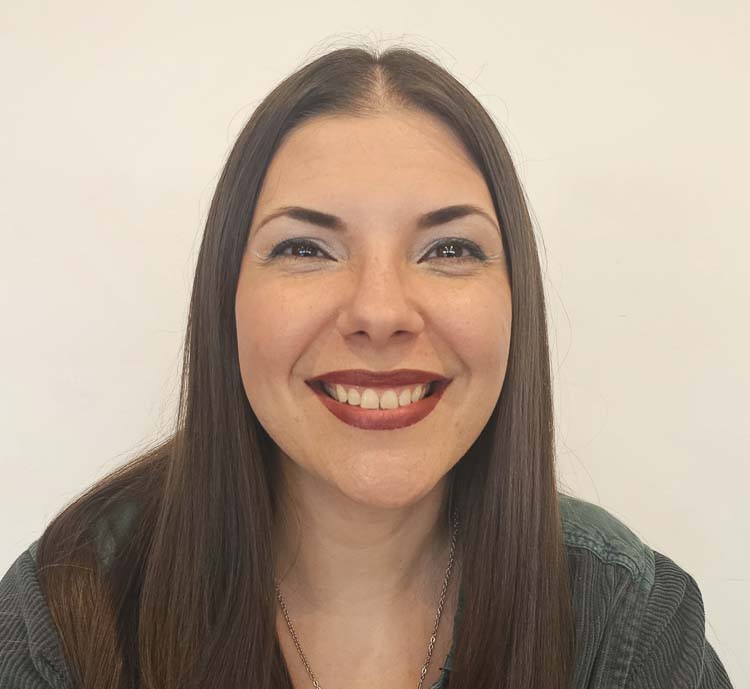
Natasha Erickson needed 37 units of blood during her emergency six years ago, and today she volunteers for Bloodworks Northwest and talks about the impact of giving blood
Paul Valencia
ClarkCountyToday.com
It was late in 2018 when Natasha Erickson went to the hospital to have a baby.
With two older children, she knew what to expect.
Oh, there was a complication during this pregnancy, but nothing to create a major concern.
Her daughter was born early in the morning that day, and for a few minutes, all seemed normal.
Within three hours, though, Natasha Erickson would need 37 units of blood and emergency surgery.
Today, this proud mother of three from Vancouver is doing her part to promote blood donations. She speaks at Bloodwork Northwest events.
Bloodworks Northwest has declared a “Code Red” for emergency blood shortage in the Northwest this month, asking anyone who is eligible and feeling healthy to fill immediate appointments to give blood in support of local patients.
“Code Red means we’re running out of blood to concerning levels,” said Curt Bailey, president and CEO of Bloodworks Northwest. “Bloodworks is providing local hospitals with more Type O than is being donated locally, which depletes the supply. Our community needs to act quickly to stabilize the blood supply and to ensure patients experiencing cancer can receive transfusion, surgeries aren’t delayed, and our trauma centers can respond to emergencies.
“If you’ve been putting off donating blood, now is the time to make an appointment,” Bailey added.
Erickson is grateful for donation centers such as Bloodworks Northwest. After her scary situation, she learned that most of the blood she needed came from Bloodworks Northwest. She organizes a blood drive and she volunteers at donation centers.
It is Erickson’s way of saying thank you to whoever donated the blood that saved her life.
Erickson was conscious for most of her emergency back in 2018, so she can recall in great detail all that she endured.
After giving birth, Erickson passed a blood clot that was “abnormally large,” she said.
Her midwife said she thought something was “off” and called for a “massive blood transfusion.”
“She skipped about four steps to call that,” Erickson said. “I would have died if she hadn’t done that.”
The emergency was just starting, though.
The medical team thought Erickson was stabilized, but doctors and nurses were still trying to figure out where the bleeding originated. Then, more bleeding. Massive blood loss. Erickson said it was like a horror movie.
“They wheeled me back into OR. I was freezing cold, to my bones,” she said. “I’m pretty sure they had three different ports putting blood into me to help my heart not have to circulate so much blood at one time.”
It turned out, Erickson was experiencing an amniotic fluid embolism, a rare condition. Oftentimes, it is only diagnosed postmortem. Some moms have a reaction when amniotic fluid enters the blood stream. For Erickson, beyond the bleeding, her heart was failing and a lung collapsed.
Erickson, at the age of 30, had an emergency partial hysterectomy.
“I used all the blood they had (at the hospital) really fast so they had to ‘ambulance’ blood in for me,” Erickson said.
That included blood products such as platelets.
“Once they got the bleeding stopped, I was fine,” she said. “But I needed that blood.”
A lot of it, too — 37 units.
“They replaced the entirety of my blood two and a half times,” Erickson said.
“There were a lot of factors that came into saving my life,” Erickson explained. “But blood … if I didn’t have that constant flow of blood like I did, I would have died. Whether or not I had the best surgeon and the best doctors and nurses, I needed blood.”
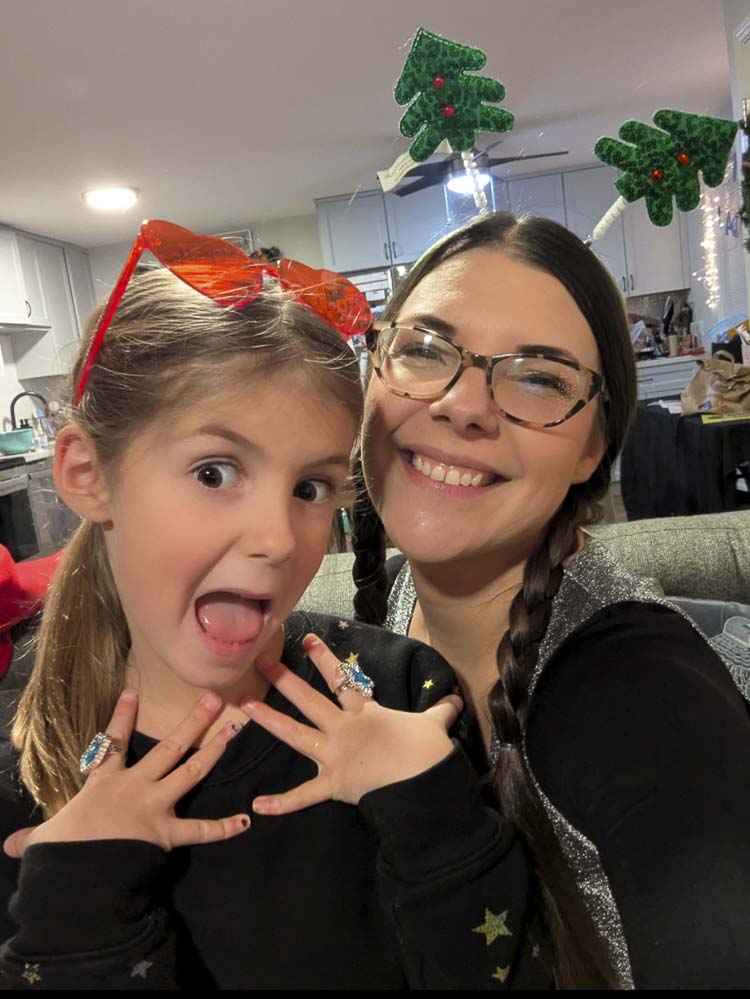
It has taken years to recover from the side effects associated with AFE. Erickson looked up the AFE Foundation and learned that other survivors promote blood drives.
“Oh, I can do that. I love planning events. I love being able to share,” Erickson said.
Erickson also talks to people while they are donating. It is a good reminder to the donor that their blood really does make a difference.
She talks about her emergency.
“They need that constant influx of blood. They need it frequently,” Erickson said. “When I, as a single person, used 37 units of blood, that’s a huge deficit for them. That’s 37 people who donated blood.”
The supply needs to be replenished.
“It’s super easy to donate. Even if you can’t donate for any reason, you can be involved. Run a blood drive at your work,” Erickson said. “It has such a large impact.”
Same-day blood donation appointments are available at most Bloodworks Northwest locations. Appointments in the next three to six weeks are also vital.
For more information or to make an appointment to donate blood, go to: https://bloodworksnw.org/ or call 800-398-7888.
Also read:
- VIDEO: Rejected – WA SOS will not process referendum to repeal income tax law
 State officials stopped Let’s Go Washington’s referendum to overturn the new tax, citing constitutional limits. Legal and political battles, including a Supreme Court challenge, are expected next.
 - Washington’s studded tire deadline is March 31
 Drivers must remove studded tires by March 31 or face a $137 fine, with WSDOT urging early action due to busy service centers and no planned deadline extension.
 - Community in Action: Police cruisers ‘crammed’ with snacks to benefit local students
 Nearly 8,500 snacks filled police cruisers at Fred Meyer as the community rallied to stock high school pantries and build new relationships.
 - Southwest Washington lawmakers to hold a series of town hall meetings throughout the 17th Legislative District
 Sen. Paul Harris, Rep. Kevin Waters, and Rep. David Stuebe will answer questions and discuss the state’s expanded operating budget and newly passed income tax at five April town halls.
 - Can your wellness routine be harming your teeth?
 Dental enamel can’t regenerate once damaged, but steps like using a straw, rinsing with water, and choosing fluoride toothpaste can help protect your teeth from acidic beverages.
 - Vancouver Police investigate attempted murder
 A 29-year-old man suffered critical injuries in a stabbing incident on NE 12th Street, with the alleged assailant Jason Johnson now facing multiple felony charges after release from medical care.
 - Project 42: It is an income tax, not a millionaire’s tax
 Project 42 co-founder Dann Mead Smith urged Clark County residents to organize against the new income tax law, emphasizing it can be expanded to reach more than just millionaires.
