

A simple signature from Governor Ferguson is all that it takes to unlock educational opportunities for thousands of Washington families
Congress passed the country’s first federal tax-credit scholarship program earlier this month (One Big Beautiful Bill Act, Sec. 70411; or see here). Governor Bob Ferguson (D) now has a once-in-a-lifetime opportunity to bring free school choice to Washington state and ensure virtually all families who want them can have private educational options.
How Washington’s new Federal School Choice Program works
Under the Tax Credit for Contributions to Scholarship Granting Organizations program taxpayers can claim a dollar-for-dollar credit worth up to $1,700 against their federal income taxes for donations to designated organizations that distribute private school scholarships.
Who qualifies for Washington School Choice scholarships?
Eligible students must qualify to attend a public school, and their families’ incomes cannot exceed 300 percent of their areas’ median income (one lookup tool is here). For context, Washington state’s median family income is just over $122,000, ranging from almost $95,000 in nonmetro areas to over $126,000 in metro areas (see p. 53 here).
What educational expenses are covered?
Scholarships can be used to cover the same elementary and secondary school expenses included in Coverdell education savings accounts including:
- Tuition
- Fees
- Tutoring
- Special needs student services
- Books
- Supplies
- Uniforms
- Transportation
- Computers, and
- Supplementary services such as extended day programs
(See 530(b)(3)(A) for more details.)
Scholarships are not considered taxable income, so recipients’ parents do not pay federal taxes on the scholarship funds they receive.
Requirements for Washington Scholarship Organizations
Scholarship granting organizations (SGOs) must be public 501(c)(3), tax-exempt charities (not private foundations) that allocate at least 90 percent of donations for scholarships and eligible expenses, which helps streamline administration and overhead. They must serve at least 10 students from multiple schools, verify families’ incomes, prioritize siblings of scholarship recipients, and SGOs must ensure scholarships do not go to disqualified recipients, such as their employees’ family members.
What Governor Ferguson must do next
To participate the governor must submit a list of participating Washington SGOs to the Secretary of the Treasury not later than January 1, 2026, and certify that he has the authority under state law to elect the state into a program involving federal tax benefits (OBBBA, Sec. 70411, Sec. 25F(g)(1-2)).
Washington’s Private School Landscape
Nearly 82,000 Washington students attend more than 500 private schools statewide. For perspective, the average public school per-pupil expenditure is almost $20,000. Washington private school tuition averages nearly $5,000 less, ranging from around $15,000 for elementary schools to $17,000 for high school.
Since the new federal school choice program is paid for with federal tax credits, it costs Washington state nothing — but the benefit to students who need different educational options is priceless. A simple signature from Governor Ferguson is all that it takes to unlock educational opportunities for thousands of Washington families.
The Washington Policy Center offers policy research designed to foster freedom, drive government accountability and create opportunities.

Also read:
- Opinion: Were Republican voters just sleeping during the August primary election?
 CCRP Chairman Matt Bumala says 60% of primary no-shows in the 17th and 18th districts were Republicans.
 - Opinion: WA Cares’ launch showcased care WA Cares did not provide
 Gov. Ferguson showcased a caregiving arrangement at the WA Cares launch that the program had not paid for a single day of.
 - Opinion: Portland’s War on Cars Part 4 – A smarter automobile strategy to end gridlock
 O’Toole argues fuel wasted in Portland-area congestion has sextupled since 1982, generating 250,000 tons of extra greenhouse gases annually.
 - Opinion: The Tooth Fairy’s secrets to making brushing & flossing magical
 Delta Dental of Washington’s Tooth Fairy Experience offers free resources to help children build lifelong brushing and flossing habits.
 - Opinion: Transit ridership trends are dismal but regional plans are oblivious
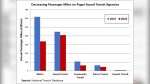 Puget Sound transit passenger-miles fell 31% from 2015 to 2024 despite a half-million-resident population increase.