


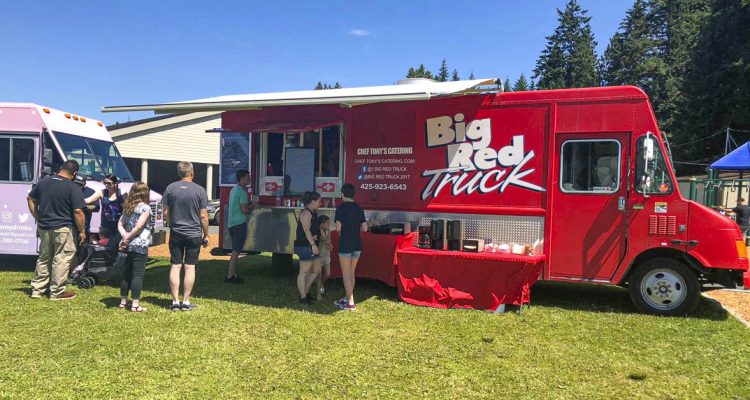
Mark Harmsworth of the Washington Policy Center shares an example of how government delays and red tape destroy small businesses
Mark Harmsworth
Washington Policy Center
Melinda Grenier left her job at Amazon to start her own mobile coffee stand, Hay Girl Coffee, investing about $100,000 in a trailer to kick start her dream. Everything looked like it was going to work, but then the permitting process started with the Snohomish County Health Department, things didn’t go as planned.

The Health Department is 5 months behind on permit applications, the delays caused by staff turnover and an increase in permit applications. Even when things are going well, the agency still can take up to 3 months to get a mobile food permit processed.
In the meantime, mobile food vendors have to apply for temporary permits, which cost thousands of dollars and put huge financial strain on the bottom line.
Lori Johnson, director of the Washington State Food Truck Association emphasizes that unnecessary and costly regulations are overburdening small businesses like Grenier’s and the process needs to be streamlined.
Other states have laws that automatically approve permits if the government takes an unreasonable amount of time to process the permit. While the principal can’t be applied to every permit type, the mobile food permit would be a good candidate for a change in state or municipal law. Since the Health Department issues and charges for temporary permits, at least waving the fees for the temporary permits should be considered when the delay is caused by the government agency.
Government delays and red tape destroy small businesses. As Snohomish County grapples with these challenges, it’s essential to find a balance between regulation and supporting local entrepreneurs.
Mark Harmsworth is the director of the Small Business Center at the Washington Policy Center.

Also read:
- Opinion: Were Republican voters just sleeping during the August primary election?
 CCRP Chairman Matt Bumala says 60% of primary no-shows in the 17th and 18th districts were Republicans.
 - Opinion: WA Cares’ launch showcased care WA Cares did not provide
 Gov. Ferguson showcased a caregiving arrangement at the WA Cares launch that the program had not paid for a single day of.
 - Opinion: Portland’s War on Cars Part 4 – A smarter automobile strategy to end gridlock
 O’Toole argues fuel wasted in Portland-area congestion has sextupled since 1982, generating 250,000 tons of extra greenhouse gases annually.
 - Opinion: The Tooth Fairy’s secrets to making brushing & flossing magical
 Delta Dental of Washington’s Tooth Fairy Experience offers free resources to help children build lifelong brushing and flossing habits.
 - Opinion: Transit ridership trends are dismal but regional plans are oblivious
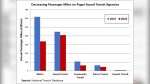 Puget Sound transit passenger-miles fell 31% from 2015 to 2024 despite a half-million-resident population increase.