



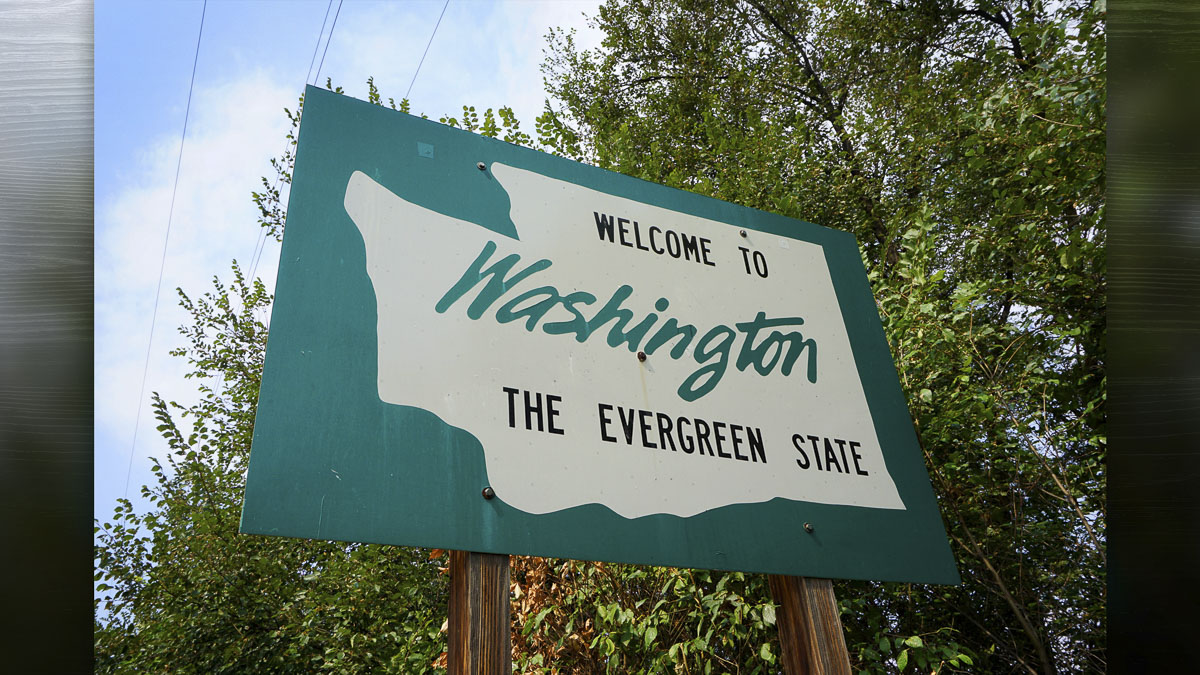
Mark Harmsworth believes lawmakers need to repeal the capital gains tax, scrap the wealth tax proposals, and ease regulations to make Washington more competitive
Mark Harmsworth
Washington Policy Center
Washington state, a beacon for innovators and entrepreneurs, is witnessing a troubling trend: a steady outflow of its wealthiest and most entrepreneurial residents. High taxes, burdensome regulations, and an anti-business climate are pushing the wealthiest and high-earners to sunnier, lower-tax havens such as Nevada, Texas, and Florida.

Far from the progressive narrative of a booming millionaire class, recent data reveals a selective exodus among the ultra-wealthy, threatening the state’s economic vitality.
Consider the numbers. A 2024 SmartAsset study, analyzing IRS migration data, found Washington lost a net 222 high-earning millennial households (incomes over $200,000) between 2021 and 2022, the eighth-highest loss nationwide. By mid-2025, a follow-up report showed wealthy Gen Z-ers fleeing even faster, with Washington second only to Illinois in net outflows of affluent young professionals. These aren’t isolated cases; they’re symptomatic of a broader flight fueled by policies like the 2022 capital gains tax and looming wealth tax and income tax proposals.
Prime examples are easy to find. Amazon founder Jeff Bezos relocated to Miami in 2023, citing Florida’s no-income-tax environment as a draw for his fortune. Elon Musk followed suit, shifting Tesla’s headquarters (from California) and his own residence to Texas in 2021, escaping a similar regulatory environment to Washington. More quietly, tech executives from Microsoft and Amazon are bolting to Las Vegas. A March 2025 Bloomberg report detailed how Nevada relators are closing deals on $8 million-plus homes for Seattle transplants (one exiting resident this author knows), drawn by zero state income or capital gains taxes. Microsoft President Brad Smith warned at a GeekWire event that such moves could inflict “lasting damage” on Washington’s tech sector, raising consumer prices and slashing jobs.
Progressive think tanks, like the Institute for Policy Studies, tout a 46.9% growth in Washington’s “millionaire class” from 2022 to 2024, from 463,000 to 681,000 individuals. But this masks the truth. Aggregate growth stems from stock market gains and new entrants, not retention of top talent. Ultra-high-net-worth residents, those with $50 million-plus, saw only a 42.6% rise, yet anecdotal evidence and migration stats show the biggest fish swimming away. The capital gains tax raised $1.2 billion, but at what cost? For every dollar collected, the state risks losing billions in economic activity from departing innovators.
The wealthy among us remodel homes, buy cars, invest in start-ups and give money to philanthropic endeavors. All of this economic activity creates jobs for those lower on the income ladder.
This exodus isn’t inevitable. Repeal the capital gains tax, scrap the wealth tax proposals, and ease regulations to make Washington more competitive. Otherwise, we’ll hollow out the engine of our prosperity, leaving behind a tax base too thin to sustain our ambitions. It’s time for policymakers to prioritize growth.
Mark Harmsworth is the director of the Small Business Center at the Washington Policy Center.

Also read:
- Opinion: The growing gap between public voice and political power
 Todd Myers describes how large-scale protest and sign-ins often fail to sway state leaders, and argues authentic influence is most likely found through local action.
 - Opinion: Who is winning the race for affordable power?
 Hydroelectric power keeps Washington competitive, but new laws and carbon pricing are driving up electricity costs for residents each year.
 - Opinion: Half the road, full stop – Understanding pedestrian right-of-way
 Doug Dahl explains how Washington’s law requires drivers to stop when a pedestrian is within one lane of their half of the road, not just when directly in front.
 - Opinion: The state’s RFK-proofing bill comes with a cost
 Mandates like HB 2242 can lead to higher premiums as insurance companies absorb costs for new preventive services, affecting affordability statewide.
 - Opinion: What is the cost of a bridge?
 John Ley argues the I-5 Bridge replacement’s soaring cost stems from costly extras like light rail, noting other states deliver larger, toll-free bridges for much less.
 wpDiscuz
