



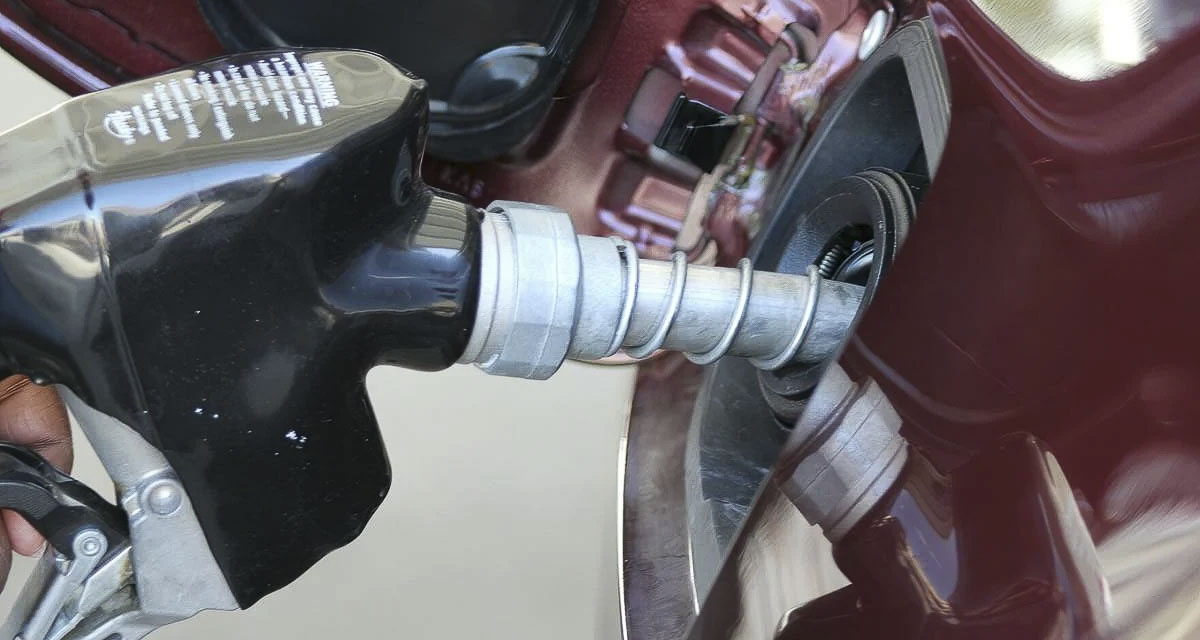
Todd Myers says that just two and a half years into the CO2 tax, the policy has become another tax rather than a meaningful or effective climate policy
Todd Myers
Washington Policy Center
The Washington State Department of Ecology released the latest CO2 allowance results that set the price of the state’s carbon tax — the price jumped 16 percent in just one quarter. This is equivalent to about an 85 percent inflation rate over a year.

The price jumped from $50 per metric ton in the first quarter auction to $58.51 in the most recent quarter.
That price equates to about 46 cents per gallon for gasoline and 56 cents per gallon for diesel. To be clear, that is not on top of previous increases but is the new level for the state’s CO2 tax. It is an increase of about 6 cents per gallon from three months ago.
The CO2 tax will also increase the cost of natural gas home heating and other energy sources that emit CO2.
The big increase is not unexpected. The state’s CO2 tax is designed to increase steadily by continually restricting the number of allowances available for auction. As the supply of CO2 allowances declines, the price will continue to increase. These reductions will become more extreme. To meet Washington’s 2030 CO2 emissions goal will require reductions equivalent to three times the amount that occurred in 2020 during COVID.
Last year, activist groups that profit from the CO2 tax revenue, like the Clean and Prosperous Institute, claimed that the $29.88 per metric ton prices we saw last September were more typical of what we would see in the future. That claim was badly inaccurate. Prices have nearly doubled since then.
What do Washington state residents get for all this tax revenue? Not much environmental benefit. We don’t have good data on whether the CO2 tax is reducing emissions because the Department of Ecology is refusing to release updated emissions data, in violation of state law – as they themselves admitted in court recently.
The data we do have show that the vast majority of the spending does nothing to reduce emissions. The Department of Ecology’s own report on climate spending indicates that most of the projects they fund have, in their words, no “quantifiable emissions reductions.”
Just two and a half years into the CO2 tax, the policy has become another tax rather than a meaningful or effective climate policy. The prices will continue to climb even as state spending continues to fail to produce meaningful environmental benefits.
Todd Myers is vice president for research at the Washington Policy Center.

Also read:
- Opinion: Defend bail now or face more chaos on our streets
 A proposed Washington court rule would cap bail for most misdemeanors and allow defendants to bypass bondsmen, raising concerns about accountability and public safety.
 - Opinion: Someone explain the Democrat Party to me please
 Lars Larson criticizes Democrat politicians for shutdown threats, Homeland Security funding refusals, and positions on election laws, housing, and gun rights.
 - POLL: Do you agree with requiring board members to follow council direction?
 Disagreement among county councilors centers on whether C-TRAN board members should reflect the council’s collective wishes or act independently, highlighting ongoing concerns about public accountability.
 - Opinion: In plain sight – yielding to pedestrians
 Drivers often fail to see pedestrians due to inattentional blindness, which highlights the need for more focused awareness at intersections and stronger safety practices.
 - Opinion: The legislature has committed $2.4 billion to recurring pension increases since 2018
 Six legislative COLAs have raised public employer costs by $2.38 billion since 2018, driving up unfunded pension liabilities and increasing burdens on county and city budgets.
 wpDiscuz
