


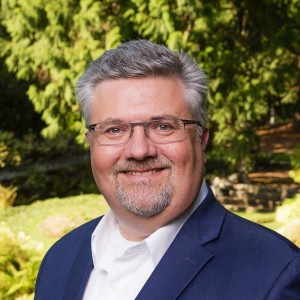
Mark Harmsworth of the Washington Policy Center points out that the results of a high artificial minimum wage are exactly the opposite of the proponents desired result
Mark Harmsworth
Washington Policy Center
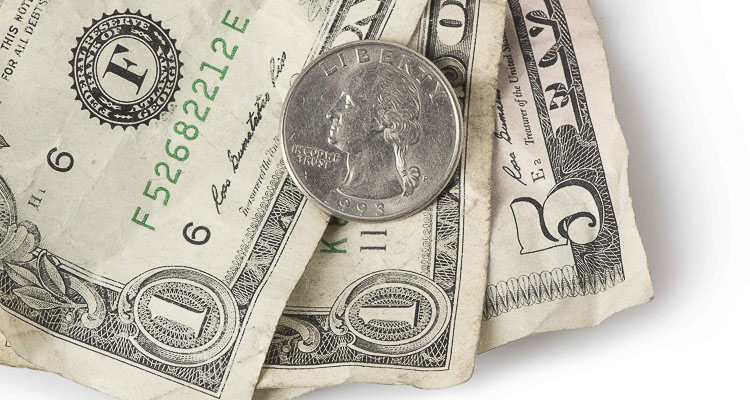
Washington State Labor and Industries (L&I) has announced that 2023 minimum wage rate will be set at $15.74 which is a $1.25 increase over 2022.
In a press release on the L&I website, the agency attributes the 8.66% increase to change in “the cost of common goods such as housing, food, and medical care as reflected in the Consumer Price Index.”
According to minimum-wage.org, Washington will have the highest statewide minimum wage in the country. The highest minimum wage in the nation, including municipalities that can set their own rates, is in Washington state, Sea Tac at $17.53 followed by Seattle at $17.27.
The federal minimum wage is $7.25.
Increasing the minimum wage to such a high level destroys jobs, reduces available work hours and causes inflation. Businesses will often relocate away from areas that have high minimum wages creating longer commutes for workers that chose to stay with the employer or elimination of the jobs completely.
Nowhere is the harm imposed by a high minimum wage demonstrated more clearly than in Seattle, where the city council has aggressively increased the minimum wage over the last few years. The rash of restaurant closures and lost jobs can be attributed, in many cases, directly to the additional fiscal cost the minimum wage increases have caused.
As a recent University of Washington study concluded, “local minimum wage laws are not likely to substantially reduce earnings inequality,” it is obvious that government controls on wages, such as minimum wage and hazard pay have no long-term effects on workers’ overall income. The results of a high artificial minimum wage are exactly the opposite of the proponents desired result. High minimum wages reduce income and destroy jobs for those lower wage earners.
Mark Harmsworth is the director of the Small Business Center at the Washington Policy Center.

Also read:
- Opinion: Were Republican voters just sleeping during the August primary election?
 CCRP Chairman Matt Bumala says 60% of primary no-shows in the 17th and 18th districts were Republicans.
 - Opinion: WA Cares’ launch showcased care WA Cares did not provide
 Gov. Ferguson showcased a caregiving arrangement at the WA Cares launch that the program had not paid for a single day of.
 - Opinion: Portland’s War on Cars Part 4 – A smarter automobile strategy to end gridlock
 O’Toole argues fuel wasted in Portland-area congestion has sextupled since 1982, generating 250,000 tons of extra greenhouse gases annually.
 - Opinion: The Tooth Fairy’s secrets to making brushing & flossing magical
 Delta Dental of Washington’s Tooth Fairy Experience offers free resources to help children build lifelong brushing and flossing habits.
 - Opinion: Transit ridership trends are dismal but regional plans are oblivious
 Puget Sound transit passenger-miles fell 31% from 2015 to 2024 despite a half-million-resident population increase.
 wpDiscuz