



Chris Corry says the results are not surprising because a statewide vote elects the Washington State Supreme Court
Chris Corry
Washington Policy Center
An analysis released today by Ballotpedia and reported on by The Center Square demonstrates remarkable bias in donations and outcomes at The Washington State Supreme Court.
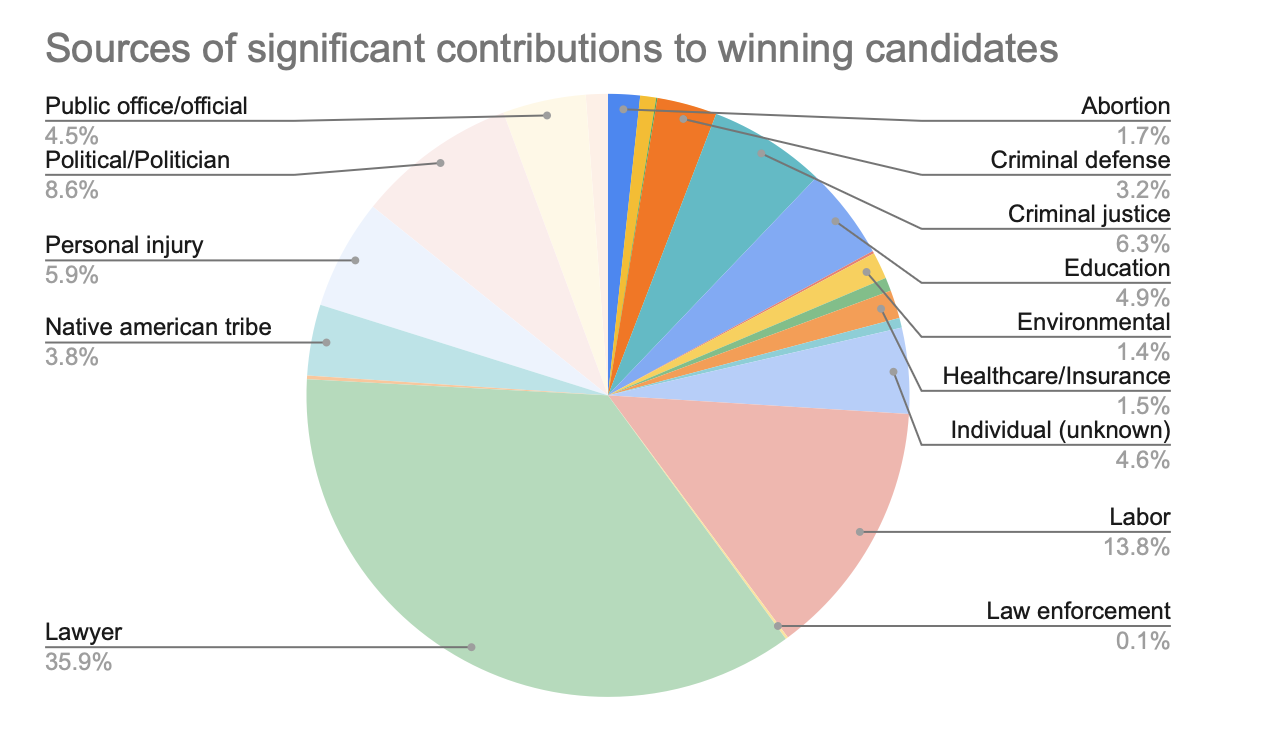
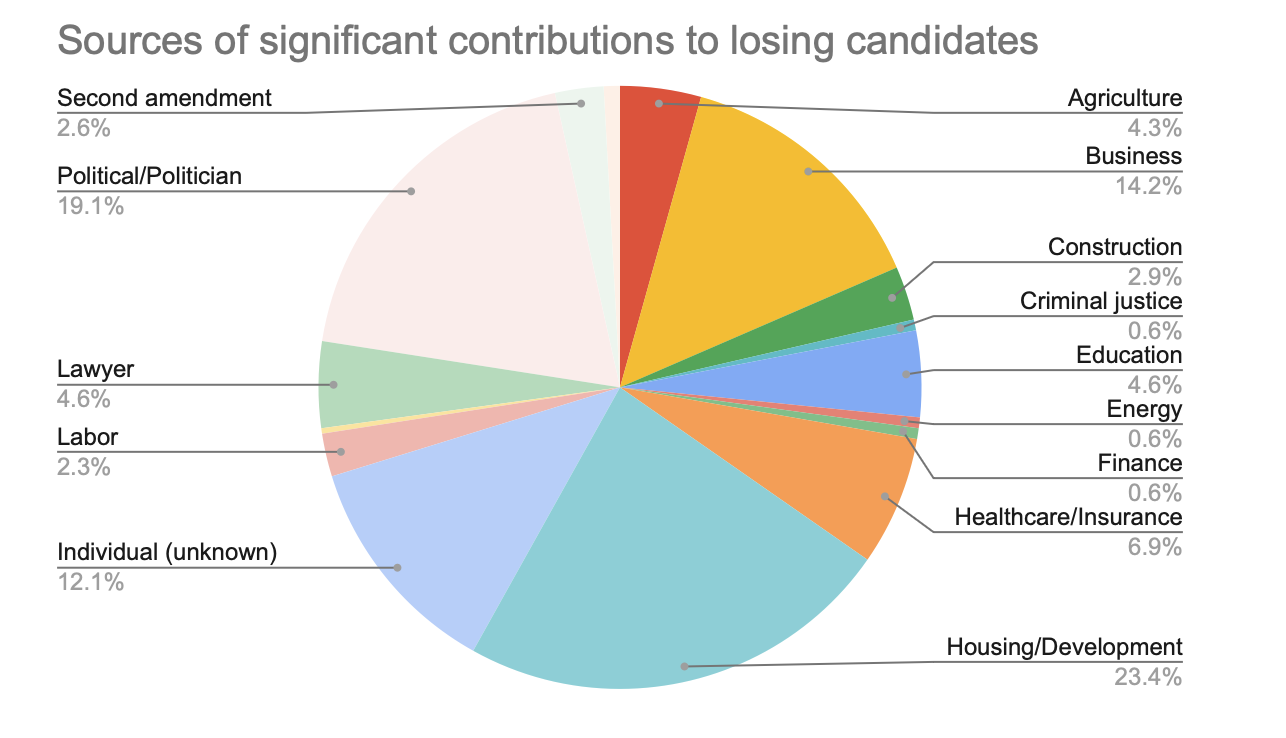
Of donations given to winning candidates, over 99% of significant contributions were from progressive sources, while donations given to losing candidates 97% of significant contributions were from conservative sources.

The sources for both winning and losing candidates fell largely into ideologic divides.
The study also examined court case outcomes based on parties and amici analysis. It found that progressive parties received 72% favorable decisions from the Washington State Supreme Court. Conservative parties were much lower at 15% favorable rulings. Similar numbers were found in amici results, with progressives seeing 75% favorable rulings and conservatives with 13%.

The results are not surprising. A statewide vote elects the Washington State Supreme Court. There is no representation based on community, population, or geography. The Washington Policy Center has long promoted a policy to change the Washington State Constitution to allow for district elections. Currently only one justice is from east of the Cascades, and that was because of an appointment by Governor Gregoire. As noted in our latest policy guide:
“To improve geographic representation on the supreme court, elections should be changed to district elections. This would provide more regional diversity and help reduce the cost of running for office, while providing candidates more time to focus on voter outreach, debates and forums in their area of the state.”
Chris Corry is the director of the Center for Government Reform at the Washington Policy Center. He is also a member of the Washington House of Representatives.

Also read:
- Opinion: The growing gap between public voice and political power
 Todd Myers describes how large-scale protest and sign-ins often fail to sway state leaders, and argues authentic influence is most likely found through local action.
 - Opinion: Who is winning the race for affordable power?
 Hydroelectric power keeps Washington competitive, but new laws and carbon pricing are driving up electricity costs for residents each year.
 - Opinion: Half the road, full stop – Understanding pedestrian right-of-way
 Doug Dahl explains how Washington’s law requires drivers to stop when a pedestrian is within one lane of their half of the road, not just when directly in front.
 - Opinion: The state’s RFK-proofing bill comes with a cost
 Mandates like HB 2242 can lead to higher premiums as insurance companies absorb costs for new preventive services, affecting affordability statewide.
 - Opinion: What is the cost of a bridge?
 John Ley argues the I-5 Bridge replacement’s soaring cost stems from costly extras like light rail, noting other states deliver larger, toll-free bridges for much less.
 wpDiscuz
