



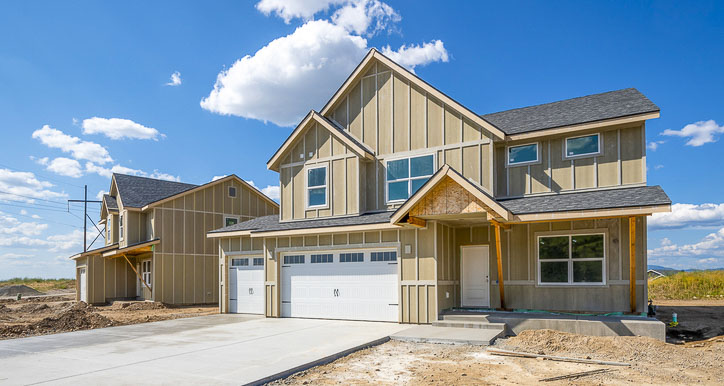
Senate Bill 5798 is a tax hike, not even in disguise, and it’s time to say, ‘enough is enough’
The Washington State Legislature is attempting to pick the pockets of hardworking taxpayers, this time under the guise of supporting vital public services and senior citizen property tax relief. Senate Bill 5798 (SB 5798), sponsored by Senator Pedersen (D), promises increased funding for schools, public safety, and community protection with the taxpayers footing the bill.
In 2001, Initiative 747, which limited property tax increases to 1% per year, was passed by the voters of Washington by a margin of 58% to 42%. Prior to the passage of the initiative, cities and counties were able to raise property taxes by 6% per year and many cities and counties did so every year. SB 5798 seeks to dismantle this safeguard, replacing it with a formula that allows for significantly higher increases.
The bill proposes a “limit factor” that is the greater of 101% or 100% plus population change and inflation. This seemingly innocuous change has massive implications. A city experiencing even modest population growth (for example 3-4%) coupled with today’s rampant inflation, under SB 5798, could raise property taxes far beyond the current 1% limit.
The justification offered claims that the state doesn’t have enough money, which is simply untrue. We are told that the current 1% limit “severely inhibits” the ability of local governments to provide critical services. Incidentally, this author, as a city councilmember, was able to survive 7 years under the 1% rule without voting to raise property taxes – it can be done. Before asking for any additional tax dollars, government agencies need to examine government efficiency and prioritization of spending. Instead of tightening their belts and finding innovative solutions, our legislators are reaching for the easiest solution: raising taxes.
Additionally, the bill contains language that allows counties, cities, and towns to exceed even this revised limit factor if they declare a “substantial need” related to public safety, criminal justice, and community protection services. This is a blank check for local governments to justify massive tax increases. The definition of “public safety, criminal justice, and community protection services” is incredibly broad, encompassing everything from courts to mental health services. This lack of specificity creates a loophole that could be exploited to fund all sorts of pet projects under the guise of public safety diverting money from critical police and essential safety services.
SB 5798 is a classic example of legislative overreach, pandering to special interests and ignoring the burden placed on Washington’s taxpayers. It dismantles a key, voter approved, protection against runaway property tax increases, opening the door to higher taxes and less accountability.
The Washington Policy Center urges all citizens to contact their legislators and express their opinion on Senate Bill 5798. You can sign in to testify or indicate your position here. The next hearing is March 31 at 4pm.
Senate Bill 5798 is a tax hike, not even in disguise, and it’s time to say, “enough is enough.”
This report was first published by the Washington Policy Center.

Also read:
- State Representatives McClintock and Ley answer questions at town hall in Battle Ground
 Residents voiced rising concerns about property taxes, school funding debates, the impact of new income tax legislation, and major costs tied to the Interstate Bridge plan.
 - As Washington gets an income tax, the fight to overturn it begins
 Opponents are organizing lawsuits and potential ballot measures to challenge the new 9.9% income tax on Washington households earning over $1 million.
 - VIDEO: WA diesel hits record $6.53, crushing truckers and school budgets
 With diesel nearing $6.53 per gallon in Washington, trucking businesses and school districts now confront sharply higher fuel expenses affecting budgets and workers.
 - WA’s status solidifies as one of the most expensive places in US
 A new study shows Washington outpaces most states on cost of living, with metrics revealing a sharp rise in daily expenses and major metro areas ranking among the nation’s most expensive.
 - Opinion: Someone explain the Democrat Party to me please
 Lars Larson criticizes Democrat politicians for shutdown threats, Homeland Security funding refusals, and positions on election laws, housing, and gun rights.
 wpDiscuz
