



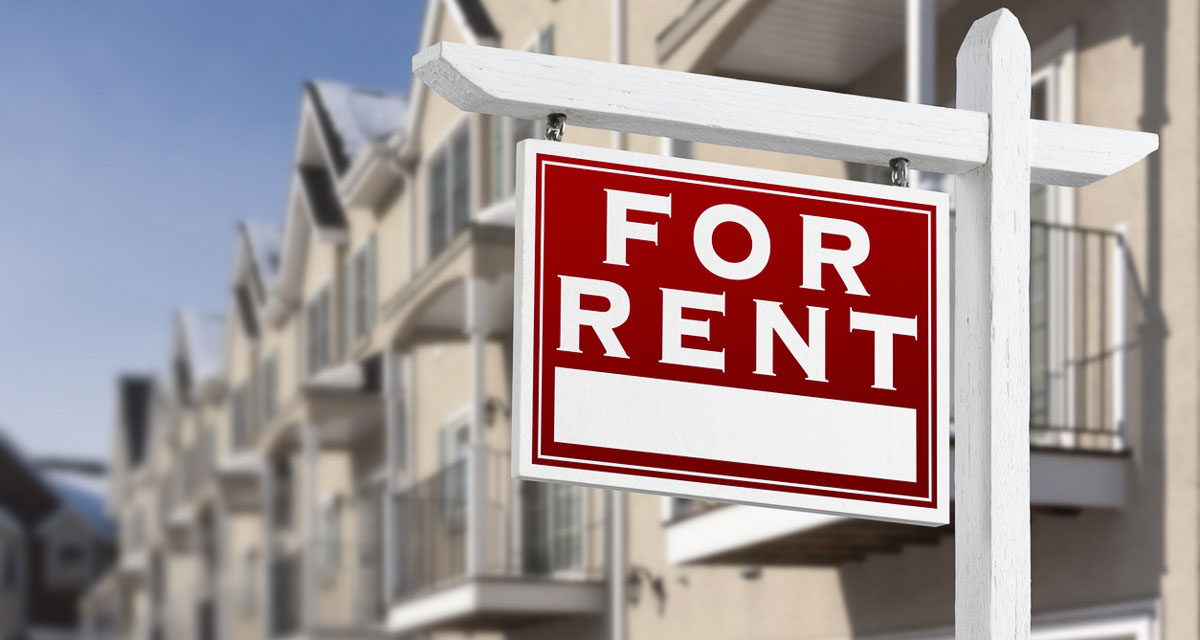
Mark Harmsworth says passing laws that reduce the regulations and easing the draconian Growth Management Act that artificially constricts the building of new homes will ease the crisis
Mark Harmsworth
Washington Policy Center
Proponents of Rent Control, the idea that rent increases can be artificially capped, are back with a vengeance in the Washington legislature this year. House Bill 1217 (HB 1217) has been introduced and was rushed through the committee hearing process yesterday. The hearing was scheduled for 2 hours, started 45 minutes late and despite hundreds of people signing in to testify, many having driven across the state to be at the hearing in person, the hearing was gaveled closed at 3:30pm.

HB 1217 would limit rent and fee increases to 7% during any 12-month period and prohibit rent and fee increases during the first 12 months of a lease. It adds notification and penalties for the propery owner for any increases over 3% and caps late fees and security deposits.
To run a well-maintained rental property costs money. The price of appliances, roof repairs, carpet, paint, gaps in renting the property, costs to evict of bad tenants, tax increases, regulations and other unexpected costs are not capped as HB 1217 would cap rents. It puts the property owner in a position, if not on day one, but certainly very quickly, where a capped rent increase may no longer cover the cost of maintaining the rental property.
This is the fiscal reality of the situation. Costs are going up faster than the proposed caps and eventually rental property will eventually become a losing proposition under HB 1217. Property owners will sell their properties, not renew leases or be forced to increase rents significantly.
To demonstrate how ludicrous HB 1217 is, King County Property Tax receipts in 2024 increased 5.1%, far surpassing the 3% notification threshold for lease penalties. This alone demonstrates the folly of penalizing property owners that are forced to increase rents over an arbitrary government mandated threshold because the very same government increased taxes. Add the maintenance costs and other local fee increases and the increase will quickly exceed the 7% cap.
Why is rent control, a demonstrable failure in terms of improving housing affordability in every city where it has been employed, being considered at all in Washington when a regulation-induced supply shortage is the main problem? Forces opposing a free market in housing development, including NIMBYism, central planning enthusiasts, and radical political movements, along with a poor understanding of economics among many lawmakers stand in the way of burying the foolhardiness of rent control once and for all.
Government manipulation of zoning and regulation, causing a housing shortage, is the main reason for high property prices and rents.
The real solution to the housing crisis lies in increasing housing supply of which several bills, such as House Bill 1164, introduced in the 2025 legislative session will address. The housing affordability crisis can also be immediately relieved by freezing erroneous development regulations that add thousands of dollars to the cost of building a home. The Building Industry Association of Washington (BIAW) estimates the regulatory cost of building a home has increased $39,876 since 2009 alone, and now represents 23.8% of the final price of a new home. When building multi-unit homes, this increased contruction cost is passed on as higher rent.
This is where the lawmakers need to be focused. Passing laws that reduce the regulations and easing the draconian Growth Management Act (GMA) that artificially constricts the building of new homes will ease the crisis.
For the full list of Washington Policy Center recommendations, see our Policy Brief here.
Mark Harmsworth is the director of the Small Business Center at the Washington Policy Center.
Also read:
- Free in-person workshops promote composting and sustainable living
 Clark County’s free workshops teach residents worm composting, green cleaning, and smart recycling through April and May.
 - Keeping afloat: A bittersweet chronicle of two women who endured the sinking of the Titanic
 Local historian Peri Muchich shares the story of Pacific Northwest Titanic survivor Anna Warren at Sunday’s museum event.
 - Letter: ‘This is the worst thing that ever happened to the region’
 A Hayden Island resident Sam Churchill is criticized in a letter calling the $14 billion Interstate Bridge Replacement project a “boondoggle” that destroys local businesses.
 - Washougal ramps up efforts to support small businesses
 Washougal launches Gateway to Success Series with free workshops starting April 15 at Best Western Plus Convention Center.
 - Vancouver woman displaced by apartment fire
 Fire crews responded to 1806 E Fourth Plain Blvd where one woman was displaced and received Red Cross aid.
 - Former WA Supreme Court justice joins legal effort against income tax
 Phil Talmadge and Rob McKenna have joined forces with the Citizens Action Defense Fund to oppose Washington’s new tax on high-income earners, raising legal and constitutional questions.
 - Makeover in store for Congress with flood of lawmakers headed for the exits
 A wave of exits from Congress—over 65 lawmakers—will usher in unfamiliar faces and decrease veteran expertise, shifting the political landscape in Washington.
