



Elizabeth New shares legal advice from Davis Wright Tremaine, a business law firm
Elizabeth New
Washington Policy Center
I appreciated this information about Washington state’s new domestic workers’ law from Davis Wright Tremaine (DWT), a business law firm. It details what households should know and need to do when House Bill 2355 is implemented in 2027. “Beginning July 1, 2027, any environment where a nanny, caregiver, housekeeper, cook, gardener, or household manager works is treated as a regulated workplace with enforceable standards,” writes DWT.

Supporters say the law is meant to protect domestic workers in our state from wage theft, a lack of clarity about expectations or bad employers, which is totally reasonable. What isn’t reasonable is how the law is written. It makes voluntary exchanges for household work between independent contractors and those who hire them formal arrangements with enforceable standards. As few as four hours of monthly work means the person doing the hiring needs to provide the worker with a written contract, minimum wage and overtime pay when applicable. The hiring entity also needs to keep payroll records, track sick leave that’s attached to domestic workers and provide a termination notice.
Tax obligations and a new paper trail could complicate things for both parties, and penalties for employers who don’t comply are real. Exemptions for “casual workers” are all too vague and will be decided by state agencies and courts as we go along — that is if what we think of as “casual workers” are still hired. A lot of “hiring entities” will now be turning to agencies for house or yard work, child or elder care. Sigh. Voluntary work arrangements that have provided a lot of Washingtonians with flexibility that benefits both workers and those paying them will be deterred.
Check out, “Five things every Washington household and domestic staffing business must know: Your home may now be a workplace.” It concludes this way: “Washington’s new Domestic Workers Bill of Rights is a wake‑up call for every employer — business or household — who relies on in‑home labor. … The home may be private — but starting in 2027, your compliance obligations definitely aren’t.”
Elizabeth New is the director of the Centers for Health Care and Worker Rights at the Washington Policy Center. She is a Clark County resident.

Also read:
- Opinion: Were Republican voters just sleeping during the August primary election?
 CCRP Chairman Matt Bumala says 60% of primary no-shows in the 17th and 18th districts were Republicans.
 - Opinion: WA Cares’ launch showcased care WA Cares did not provide
 Gov. Ferguson showcased a caregiving arrangement at the WA Cares launch that the program had not paid for a single day of.
 - Opinion: Portland’s War on Cars Part 4 – A smarter automobile strategy to end gridlock
 O’Toole argues fuel wasted in Portland-area congestion has sextupled since 1982, generating 250,000 tons of extra greenhouse gases annually.
 - Opinion: The Tooth Fairy’s secrets to making brushing & flossing magical
 Delta Dental of Washington’s Tooth Fairy Experience offers free resources to help children build lifelong brushing and flossing habits.
 - Opinion: Transit ridership trends are dismal but regional plans are oblivious
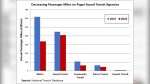 Puget Sound transit passenger-miles fell 31% from 2015 to 2024 despite a half-million-resident population increase.