


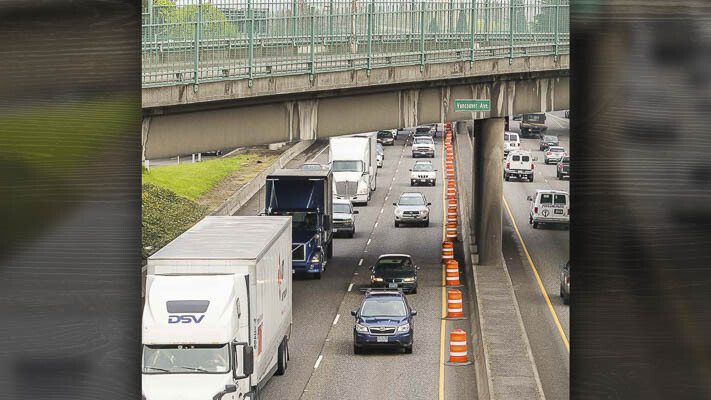
John A. Charles Jr. questions why there are no efforts underway to plan for the next generation of great roads
John A. Charles Jr.
Cascade Policy Institute
The last segment of Oregon’s Interstate Highway system opened in 1982. One would think that since Oregon has a nationally prominent planning system, there would be efforts underway to plan for the next generation of great roads.
But that is not the case. Planners almost universally hate highways, so they have made sure that the Interstate system remains stagnant. Even where changes are being contemplated, such as a new I-5 bridge over the Columbia River, they are not designed to address growth.
The Interstate Bridge Replacement Project, now in its 26th year of planning, will have no effect on traffic congestion because it doesn’t add capacity. We will still have only two bridges over the Columbia River in the Portland region.
What we need is several new bridges, with at least one providing a direct, high-speed connection to HWY 26 on the west side. We need new bridges and highways for the same reasons that cities eventually need new streets – you can’t pack every urban activity into one small area.
The Oregon Transportation Commission is determined to impose highway tolls without providing motorists with new highways. This is the wrong approach. If the Commission wants public support, it should start planning for the new roads the public wants.
John A. Charles, Jr. is President and CEO of Cascade Policy Institute, Oregon’s free market public policy research organization.

Also read:
- Opinion: Were Republican voters just sleeping during the August primary election?
 CCRP Chairman Matt Bumala says 60% of primary no-shows in the 17th and 18th districts were Republicans.
 - Opinion: WA Cares’ launch showcased care WA Cares did not provide
 Gov. Ferguson showcased a caregiving arrangement at the WA Cares launch that the program had not paid for a single day of.
 - Opinion: Portland’s War on Cars Part 4 – A smarter automobile strategy to end gridlock
 O’Toole argues fuel wasted in Portland-area congestion has sextupled since 1982, generating 250,000 tons of extra greenhouse gases annually.
 - Opinion: The Tooth Fairy’s secrets to making brushing & flossing magical
 Delta Dental of Washington’s Tooth Fairy Experience offers free resources to help children build lifelong brushing and flossing habits.
 - Opinion: Transit ridership trends are dismal but regional plans are oblivious
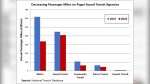 Puget Sound transit passenger-miles fell 31% from 2015 to 2024 despite a half-million-resident population increase.