



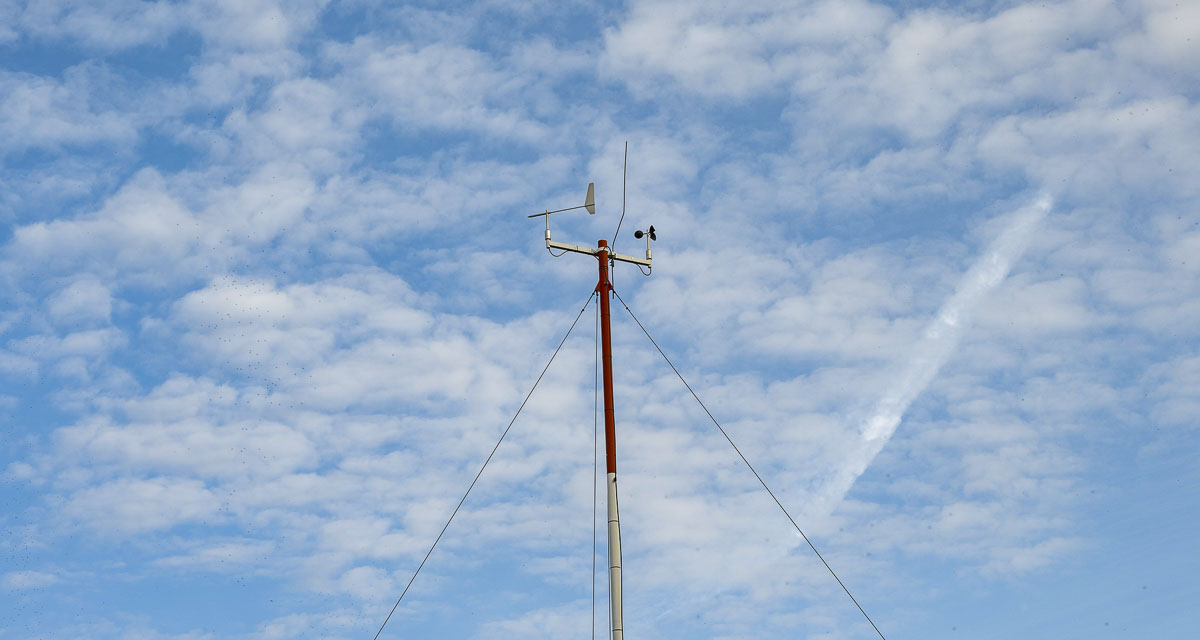
Todd Myers states ‘as Washington’s demand for electricity grows in the upcoming years, politicians should take heed of the lesson of the recent stretch of days without wind’
Todd Myers
Washington Policy Center
If Washington state elected officials and energy planners need to be reminded of the risks of increasing reliance on wind-generated electricity, they can look to the week-and-a-half after Thanksgiving.
Starting on the night before Thanksgiving, the amount of electricity generated by wind power in the BPA system across the northwest collapsed, falling to zero megawatts around midnight. Generation remained extremely low until midday on December 7, more than nine days later.
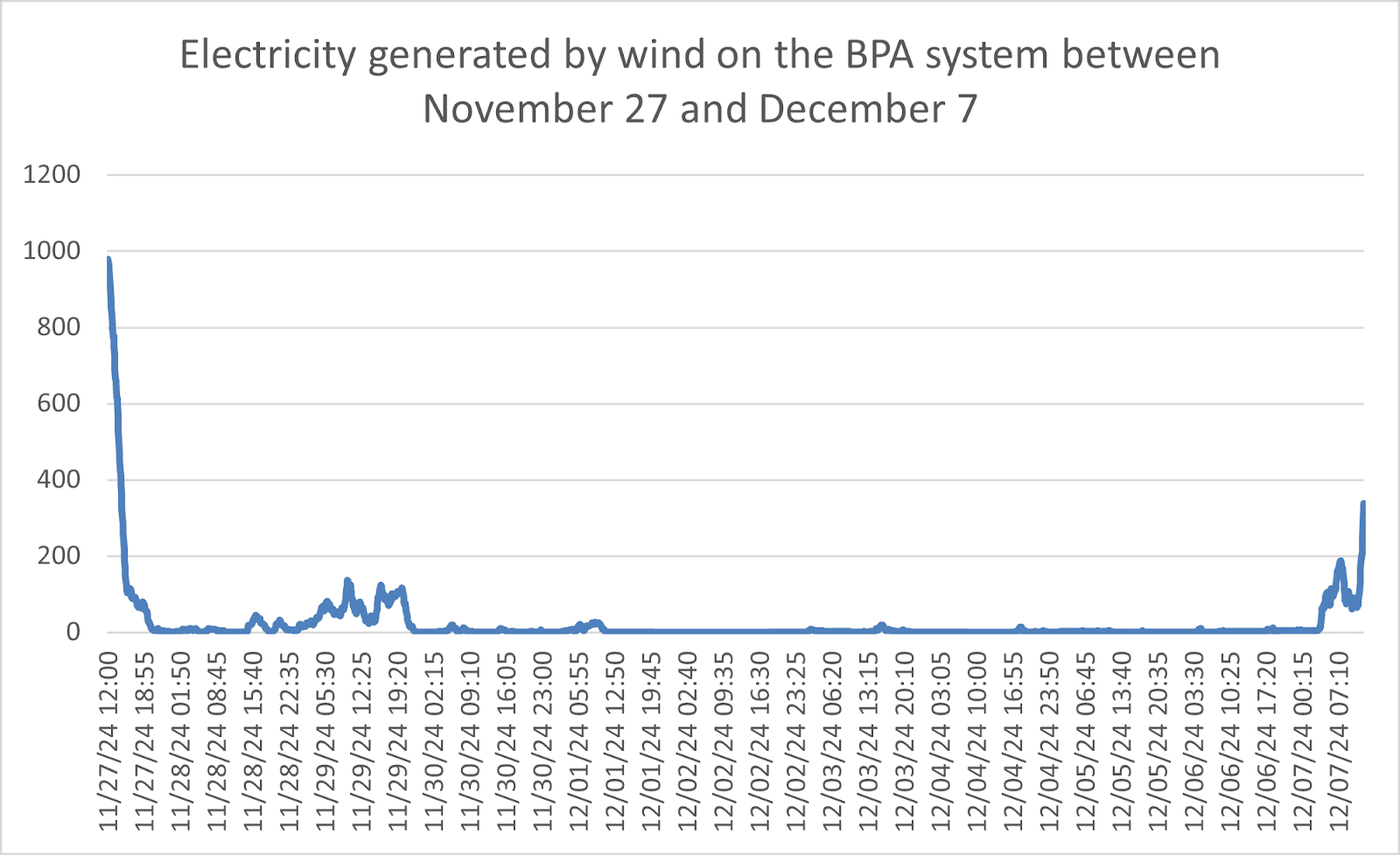
During those nine days, wind power generated an average of just 9 MW across the BPA system – about one tenth of one percent of what customers on the system were demanding.

While this stretch of days without wind power was the longest of the year, it is not unusual for wind power to virtually disappear across the region. Since January 1, total wind generation on the BPA system has fallen below 50 MW – less than two percent of peak wind generation during 2024 – for 1,517 hours, the equivalent of more than two months.
This isn’t the only time wind generation has disappeared for days.On January 14, as a cold front moved over the region that sent temperatures in Spokane below zero at night, wind generation went to nearly zero and stayed very low until the 17th. A day later, wind generation fell to near zero production until the evening of the 23rd.
This is a problem in both winter and summer. During very hot or cold weather spells the wind can become very still, reducing generation exactly as people want more heating or cooling.
Fortunately, Washington has a good supply of hydropower and even with very low wind generation, the BPA system was a net exporter of energy for most of the last two weeks. This is possible because wind is still a relatively small percentage of our total generation. On the BPA system, which does not include energy produced by investor-owned utilities, wind power averaged about 10% of total generation this year. By way of comparison, wind accounted for 16% of Puget Sound Energy’s fuel mix in 2022.
Building more wind turbines won’t solve this problem. It just means more turbines with blades that don’t spin when the wind disappears. Additionally, as the percentage electrical generation from wind power grows, it makes existing hydropower less efficient because dam managers have to ensure there is enough water behind the dams to deal with potential shortfalls of wind-generated electricity. Instead of managing to be efficient, they manage to deal with shortages.
As Washington’s demand for electricity grows in the upcoming years, politicians should take heed of the lesson of the recent stretch of days without wind. Without a growing source of reliable electricity, stretches like we saw in January and after Thanksgiving could result in power shortages in the not-too-distant future.
Todd Myers is the vice president for research at the Washington Policy Center.

Also read:
- Opinion: Half the road, full stop – Understanding pedestrian right-of-way
 Doug Dahl explains how Washington’s law requires drivers to stop when a pedestrian is within one lane of their half of the road, not just when directly in front.
 - Opinion: The state’s RFK-proofing bill comes with a cost
 Mandates like HB 2242 can lead to higher premiums as insurance companies absorb costs for new preventive services, affecting affordability statewide.
 - Opinion: What is the cost of a bridge?
 John Ley argues the I-5 Bridge replacement’s soaring cost stems from costly extras like light rail, noting other states deliver larger, toll-free bridges for much less.
 - POLL: Do you agree with giving a state commission the power to remove an elected sheriff?
 A new poll asks if a state commission—not voters—should have the power to remove an elected sheriff, following concerns raised by Clark County Sheriff John Horch.
 - Opinion: Defending Democracy by denying it?
 Washington voters are blocked from weighing in on new income taxes as state lawmakers and officials bypass public input, drawing criticism from Northwest voices.
 wpDiscuz
