


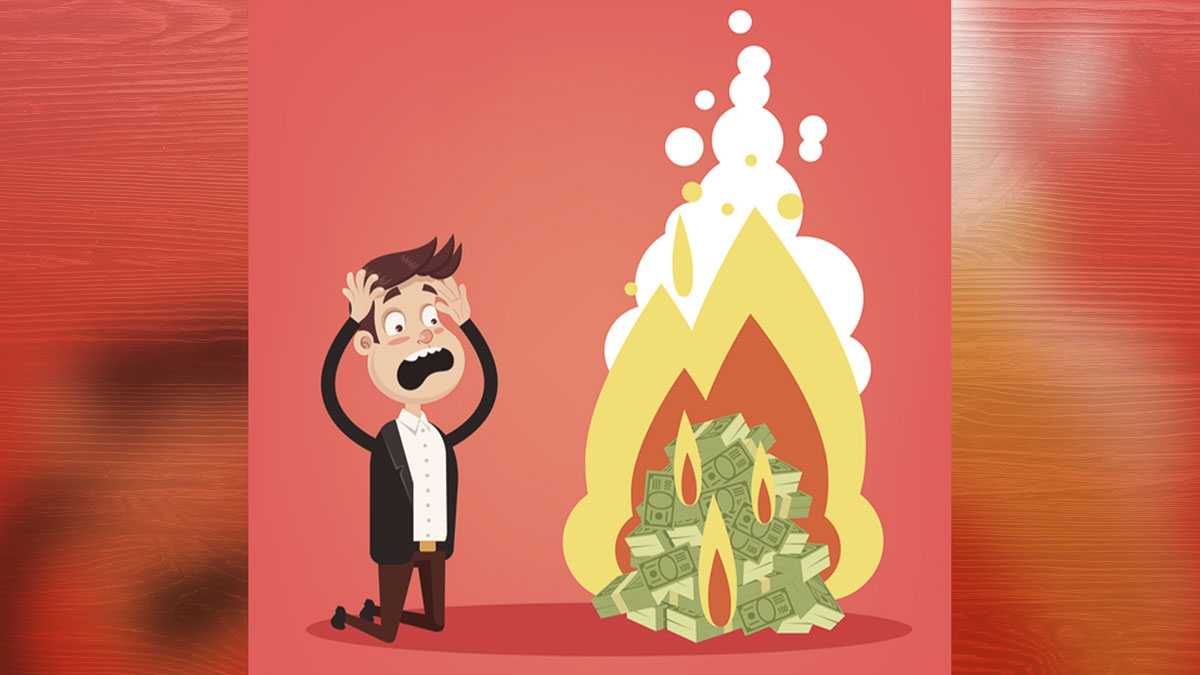
This will help measure the effectiveness of Washington’s climate policy — or more accurately stated, it will help measure the ineffectiveness of Washington’s climate policy
David Boze
Washington Policy Center
Using data from the Washington State Department of Ecology, WPC is adding two new metrics to our Report Card for Washington’s future.
- The cost of state projects to reduce one metric ton of CO2 compared to the private sector.
- What percentage of projects funded by the state’s tax on CO2 produce no reduction in emissions.
This will help measure the effectiveness of Washington’s climate policy — or more accurately stated, it will help measure the ineffectiveness of Washington’s climate policy. The Washington State Legislature passed the Climate Commitment Act claiming it was necessary to achieve Washington’s CO2 emissions goals. This tax was heralded as a great weapon in an existential crisis where we could not afford to waste any more time or spare resources. Yet, as these metrics and other WPC work reveal, the projects funded by the CCA CO2 tax revenue have been incredibly wasteful. Many of them produce no climate benefit at all and those that do squander resources, spending 141 times as much to reduce a metric ton of CO2 as projects available in the private sector.

It is hard to imagine environmentalists could be happy about spending state resources and public tax dollars in such a way. Resources are limited. The opportunity cost here is an exponential increase in CO2 reductions (or other environmental projects).
Some who defend the very high percentage of projects that yield no environmental benefit argue that up-front planning is necessary to deliver results later. Even if this proves to be true, the fact that more than three-quarters of the funding is currently yielding no benefit is very high.
WPC will track and update these metrics as new data are available.
David Boze is the communications and strategy director at the Washington Policy Center.

Also read:
- Opinion: Were Republican voters just sleeping during the August primary election?
 CCRP Chairman Matt Bumala says 60% of primary no-shows in the 17th and 18th districts were Republicans.
 - Opinion: WA Cares’ launch showcased care WA Cares did not provide
 Gov. Ferguson showcased a caregiving arrangement at the WA Cares launch that the program had not paid for a single day of.
 - Opinion: Portland’s War on Cars Part 4 – A smarter automobile strategy to end gridlock
 O’Toole argues fuel wasted in Portland-area congestion has sextupled since 1982, generating 250,000 tons of extra greenhouse gases annually.
 - Opinion: The Tooth Fairy’s secrets to making brushing & flossing magical
 Delta Dental of Washington’s Tooth Fairy Experience offers free resources to help children build lifelong brushing and flossing habits.
 - Opinion: Transit ridership trends are dismal but regional plans are oblivious
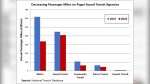 Puget Sound transit passenger-miles fell 31% from 2015 to 2024 despite a half-million-resident population increase.