



Lars Larson: ‘When even the presence of police doesn’t deter criminal violence … you know it’s bad’
Lars Larson
The Northwest Nonsense
I guess you could say Portland and Seattle are doing a “bang up” job of making their downtowns safe … lots of bangs if you’re foolish enough to go there.
This past weekend, two people shot in Portland’s Old Town-Chinatown, a man and a woman. They’ll survive, we’re told.
In Seattle a few days earlier, a man in a wheelchair, shot in the chest. He’s on the mend too. That shooting happened on the shiny new waterfront development that Seattle just spent 800 million bucks on.
Prospects for the two cities seem dim lately.
The “Big Pink” bank tower in Portland fire-saled at a nearly 90 percent discount from its value just ten years ago. The new Ritz Carlton hotel and condos in bankruptcy. Big retailers fleeing and those who can’t afford to leave boarding up their storefronts against Antifa terrorists who have friends at City Hall.
Nordstrom hints it may not keep its signature store at Pioneer Courthouse Square much longer because of crime and filth.
Police have been defunded. And this seems telling to me…police were actually watching the crowd where that shooting happened over the weekend.
When even the presence of police doesn’t deter criminal violence … you know it’s bad.

Also read:
- Opinion: Were Republican voters just sleeping during the August primary election?
 CCRP Chairman Matt Bumala says 60% of primary no-shows in the 17th and 18th districts were Republicans.
 - Opinion: WA Cares’ launch showcased care WA Cares did not provide
 Gov. Ferguson showcased a caregiving arrangement at the WA Cares launch that the program had not paid for a single day of.
 - Opinion: Portland’s War on Cars Part 4 – A smarter automobile strategy to end gridlock
 O’Toole argues fuel wasted in Portland-area congestion has sextupled since 1982, generating 250,000 tons of extra greenhouse gases annually.
 - Opinion: The Tooth Fairy’s secrets to making brushing & flossing magical
 Delta Dental of Washington’s Tooth Fairy Experience offers free resources to help children build lifelong brushing and flossing habits.
 - Opinion: Transit ridership trends are dismal but regional plans are oblivious
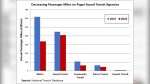 Puget Sound transit passenger-miles fell 31% from 2015 to 2024 despite a half-million-resident population increase.