



Vancouver resident Peter Bracchi questions whether chronic contamination near King Street and West 12th Street meets federal and state stormwater permit standards.
Peter Bracchi
for Clark County Today
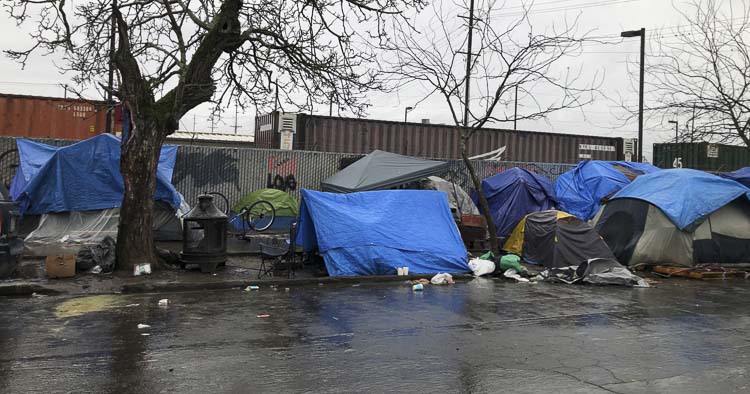
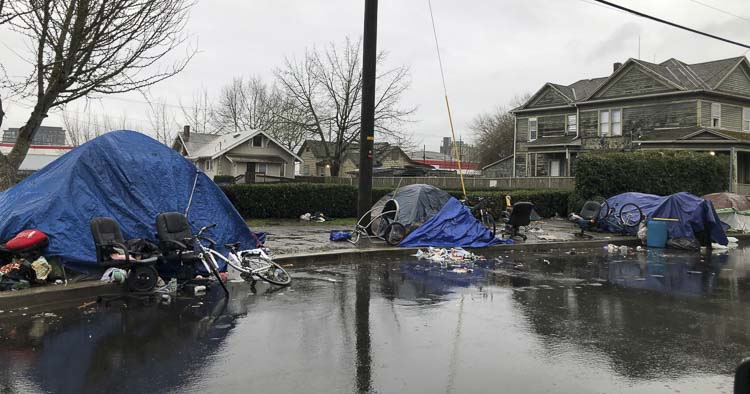
For over eight years, the intersection of King Street and West 12th Street has functioned as a chronic source of unmanaged urban pollution.
This area surrounding the Share House men’s shelter repeatedly experiences:
- Garbage piled next to storm drains
- Human waste and fecal contamination
- Petroleum residue and vehicle leakage
- Synthetic debris and treated materials exposed to rain
- Sidewalk blockages and recurring biohazards
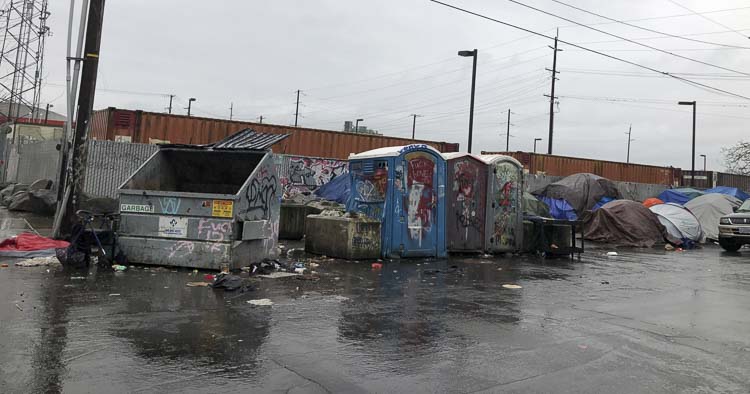
When it rains, everything along that curb flows directly into the municipal stormwater system— and that system ultimately discharges into the Columbia River.

The City of Vancouver operates under the Western Washington Phase II Municipal Stormwater Permit issued by the Washington State Department of Ecology under the federal Clean Water Act. That permit allows discharge into the Columbia River — but only under strict conditions.
The city must:
Use AKART — All Known, Available, and Reasonable methods of prevention
Manage pollutants to the Maximum Extent Practicable (MEP)
Target specific contaminants, including:
- Sediment
- Heavy metals (copper, zinc)
- Petroleum hydrocarbons
- Nutrients and fecal coliform bacteria
- Temperature impacts
The permit also requires elimination of illicit discharges — including sewage — from entering the storm system.
So here is the basic question:
How does allowing visible fecal contamination and unmanaged debris at a known stormwater discharge point meet AKART or MEP standards?
For eight years, this location has operated in a cycle of reactive cleanup rather than preventive control. If fecal coliform bacteria is a targeted pollutant, visible human waste near catch basins raises compliance questions. If petroleum hydrocarbons are targeted, unmanaged street conditions should concern regulators. If illicit discharges must be prohibited, chronic contamination entering the system cannot simply be tolerated.
Meanwhile, the city is investing millions to address PFAS contamination in drinking water wells. PFAS are “forever chemicals” that persist and bioaccumulate. Many treated consumer products — including water-resistant fabrics and synthetic materials — are known sources. Yet there appears to be no publicly reported sampling specific to this corridor to determine what is entering the stormwater system upstream.
Stormwater compliance does not begin at a treatment plant. It begins at the curb.
This issue is not about homelessness policy. It is about environmental standards applied evenly. The Clean Water Act does not provide exemptions for politically sensitive areas. Pollution entering the Columbia River is pollution — regardless of its source.
After eight years, residents deserve answers:
- Has targeted bacteria testing been conducted here?
- Is this hotspot reflected clearly in annual stormwater reports?
- Are preventive Best Management Practices being used — or just emergency cleanup?
- Is the city truly meeting AKART and MEP at this location?
If Vancouver is serious about protecting the Columbia River, it should:
- Conduct targeted stormwater sampling at King and West 12th.
- Publicly release bacteria, heavy metal, hydrocarbon, and PFAS screening data.
- Implement consistent preventive sanitation controls.
- Enforce public right-of-way and stormwater rules uniformly.
Environmental stewardship cannot be selective. Eight years of unmanaged runoff at a known discharge point demands measurable accountability.
The Columbia River deserves better — and so do Clark County residents.
Peter Bracchi is a Vancouver resident and frequent contributor to Clark County Today.

Also read:
- Letter: It’s time to protect student choice in Washington classrooms
 Vancouver resident calls for laws protecting students who opt out of animal dissection in science classes.
 - Opinion: Washington’s broken trust
 Dave Upthegrove’s 80,000-acre forest ban is forcing rural school districts into state financial control and massive teacher layoffs.
 - Opinion: Cue the revenuers
 State hiring 300 tax collectors this summer even though income tax revenue won’t arrive until 2029.
 - Opinion: Everything about TriMet screams ‘poor management’
 Rep. John Ley examines TriMet’s $850 million operating loss and 75% cost increase for MAX light rail service.
 - Letter: Freeze the scope and build the bridge
 Vancouver resident calls for project discipline after 22 years of planning and nearly half a billion in costs.
 wpDiscuz
