


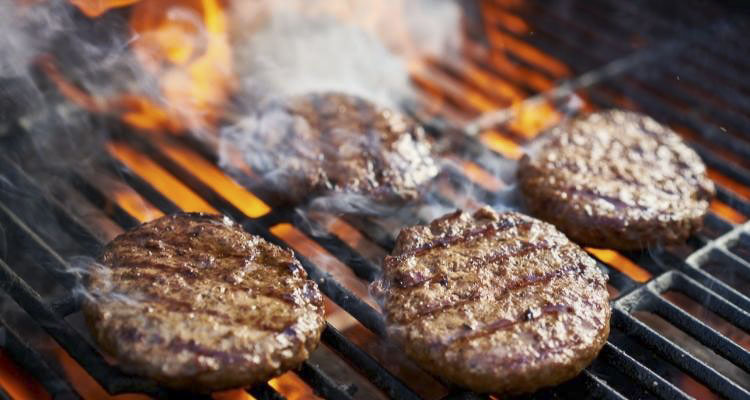
Pam Lewison of the Washington Policy Center compares the average Fourth of July cookout cost last year to this year
Pam Lewison
Washington Policy Center
Next Monday is the annual celebration of freedom from the tyranny of an absentee monarchy. In 2021, the White House tweeted a Fourth of July cookout would cost Americans $0.16 less than in 2020 and touted it as a victory.

Will there be a similar tweet for 2022? As the United States finds itself in the grip of rising food and fuel costs, it is hard to imagine given the numbers.
The American Farm Bureau Federation reports the average Fourth of July cookout will cost people living on the West Coast $81.12 for 10 people this year. The 2022 cost is up $18.21 – a nearly 30% increase from 2021. The estimated total cost for 2021 was $62.41 and $61.27 in 2020.
The West Coast, despite leading the nation in several fresh produce categories – apples, potatoes, asparagus, berries, cherries, and more – also has the highest food costs in the country. While the 2022 cookout cost on the West Coast is estimated to cost $81.12, the Midwest, South, and Northeast combined for an estimated total cost of $66.93 this year, just over $14 less than the West Coast region, making it a tale of two grocery bills.
Food estimates only tell a partial story. AAA estimates nearly 5 million people will travel more than 50 miles during the Fourth of July weekend. Year-over-year fuel prices have increased approximately 63 percent, with AAA reporting the average price per gallon in Washington state at $5.50. The average fuel economy for most cars on the road is reportedly 24 mpg, making a 100-mile trip cost approximately $22.92.
After last year’s celebratory tweet about Americans saving $0.16 on a cookout for 10 people to celebrate Fourth of July, the whiplash of 2022 feels even more challenging. With the overall cost of a cookout increasing 17 percent nationally and 30 percent on the West Coast year-over-year, Americans are seeing the reality in their bank accounts, independent of what politicians might claim.
Pam Lewison is the director, Initiative on Agriculture at the Washington Policy Center.

Also read:
- Opinion: Were Republican voters just sleeping during the August primary election?
 CCRP Chairman Matt Bumala says 60% of primary no-shows in the 17th and 18th districts were Republicans.
 - Opinion: WA Cares’ launch showcased care WA Cares did not provide
 Gov. Ferguson showcased a caregiving arrangement at the WA Cares launch that the program had not paid for a single day of.
 - Opinion: Portland’s War on Cars Part 4 – A smarter automobile strategy to end gridlock
 O’Toole argues fuel wasted in Portland-area congestion has sextupled since 1982, generating 250,000 tons of extra greenhouse gases annually.
 - Opinion: The Tooth Fairy’s secrets to making brushing & flossing magical
 Delta Dental of Washington’s Tooth Fairy Experience offers free resources to help children build lifelong brushing and flossing habits.
 - Opinion: Transit ridership trends are dismal but regional plans are oblivious
 Puget Sound transit passenger-miles fell 31% from 2015 to 2024 despite a half-million-resident population increase.