



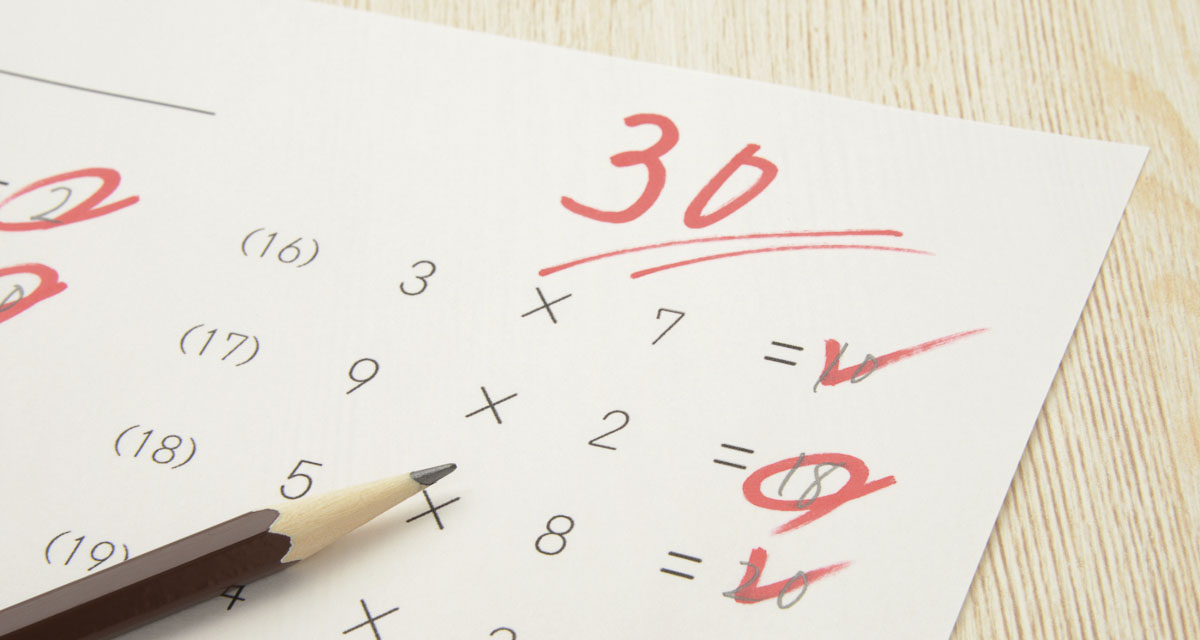
Donald Kimball of the Washington Policy Center believes that allowing a program like Education Savings Accounts would free families from being stuck in a system they mistrust and help their students succeed
Donald Kimball
Washington Policy Center
The 2023-2024 K-12 Report Card has been released by OSPI, and the results continue the pattern of the past few years.
Based on Smarter Balanced standardized testing, only 50.3% of students were considered on track in English, 39.7% in Math, and 43.5% in Science. Last year, the scores were 50.7% in English, 39.1% in Math, and 42.9% in Science.
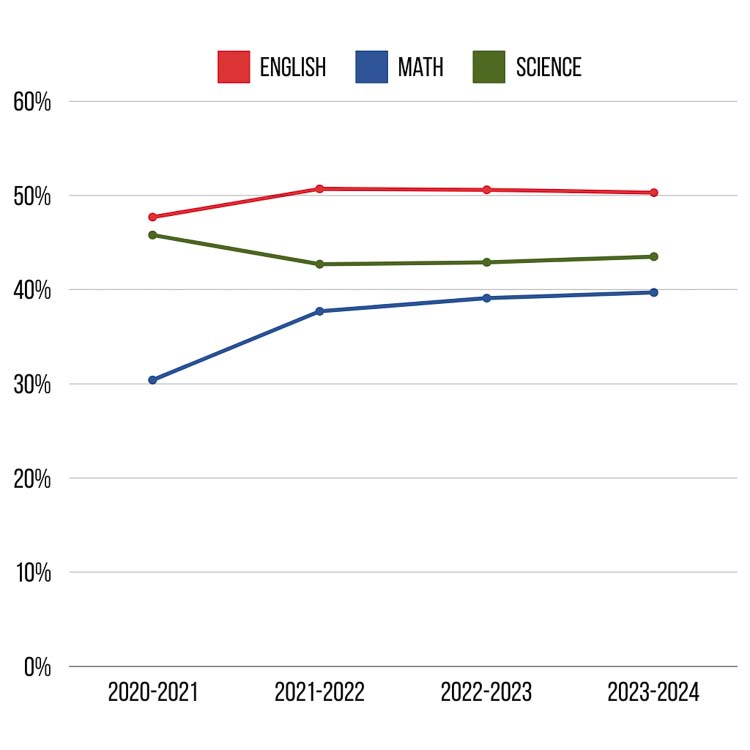

These scores indicate there hasn’t been any serious improvement for public school students since the learning loss from school closures during the pandemic.
Superintendent Reykdahl has been critical of Smarter Balanced assessment and standardized testing broadly, arguing the numbers don’t tell the whole story of a student’s development. Even still, with the public school system a few years past the COVID closures and spending over $18,000 per student, it would be expected that these numbers, even if imperfect, would improve.
Rather than continuing to believe that spending more money on the current system will suddenly improve student learning, parents should be allowed to take the money and direct it in the most effective way possible. This would allow parents who are happy with these scores to keep their children in the public schools, but allow other parents to choose options they feel better suit the needs of their child.
If their student is excelling in their public school, the system already caters to their needs. If, however, these new results cause alarm, allowing a program like Education Savings Accounts would free families from being stuck in a system they mistrust and help their students succeed.
Donald Kimball is the communications manager and text exchange editor at the Washington Policy Center.

Also read:
- Opinion: State CO2 report shows 86% of Washington’s claimed climate benefits are probably fake
 Todd Myers argues a state climate report significantly overstates emissions reductions and raises concerns about data accuracy and accountability in Washington’s climate spending.
 - Opinion: Majority party policies still making life more expensive for Washingtonians
 Rep. John Ley outlines his opposition to new taxes, raises concerns about state spending, and details legislation he plans to pursue during the 2026 Washington legislative session.
 - Opinion: What happens when you build a state budget on the most volatile tax sources?
 Ryan Frost argues that relying on volatile tax sources like income and capital gains taxes risks destabilizing Washington’s budget and undermining long-term fiscal planning.
 - Letter: Has $450 million been wasted on a bridge that’s too low for the Coast Guard with a foundation too costly to build?
 A Seattle engineer questions whether hundreds of millions of dollars have been spent on a bridge design he argues is unnecessarily risky and costly compared to an immersed tunnel alternative.
 - Opinion: Fix Washington – House Republicans lead the charge against liberal chaos
 Nancy Churchill argues that one-party Democratic control has driven up costs, weakened public safety, and harmed schools, and says House Republicans are offering a path forward through their Fix Washington agenda.

How do parents put up with this insanity?
Our property taxes explode, we waste billions on teacher extortion and we’ve nothing to show for it except increased brain washing and leftist programing.
Remember this when teachers illegally strike again.