



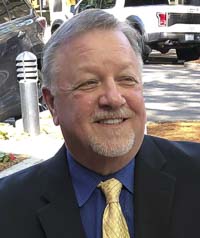
Camas resident Gary Perman believes new sales tax or vehicle registration fee is misguided and places an unfair burden on residents, particularly those with low or fixed incomes
Editor’s note: Opinions expressed in this letter to the editor are those of the author alone and do not reflect the editorial position of ClarkCountyToday.com
The recent proposal by our city’s director of finance and public works director to implement a new sales tax or vehicle registration fee for road maintenance is misguided and places an unfair burden on residents, particularly those with low or fixed incomes.
Key arguments against the proposal:
1. Disproportionate Impact on Lower-Income Residents
- The proposed sales tax increase and flat vehicle registration fee would disproportionately affect lower-income residents.
- These regressive measures place a heavier burden on those least able to afford it, exacerbating economic inequality in our community.
- A $20-$50 vehicle fee may seem insignificant to some, but for many families, it represents a substantial portion of their disposable income.
2. Lack of fiscal responsibility and transparency
- The city’s track record with earmarked funds is questionable, as evidenced by the recent “utility tax” that ended up in the general fund instead of supporting fire services.
- Before asking residents to pay more, the city must provide a clear accounting of existing funds and demonstrate responsible management of current resources.
3. Ineffective solution to road maintenance Issues
- The proposal fails to address the underlying issues causing road deterioration.
- Instead of implementing a Band-Aid solution, the city should focus on improving maintenance practices, investing in higher-quality materials, and implementing better urban planning.
4. Lack of comprehensive transportation strategy
- This proposal appears to be a piecemeal approach rather than part of a holistic plan that considers public transportation improvements, bicycle and pedestrian infrastructure, and smart city technologies.
5. Potential for economic slowdown
- Increasing the sales tax could drive consumers to shop in neighboring cities or online, hurting local businesses and potentially decreasing overall tax revenue.
6. Alternative funding sources not explored
- The city should explore options such as reallocation of funds from less critical budget areas, public-private partnerships, and grants from state and federal transportation programs.
Impact on low-income and fixed-income residents
The proposed measures would have a significant negative impact on low-income and fixed-income residents:
1. Financial strain: For families already struggling to make ends meet, additional taxes and fees could push them further into financial hardship.
2. Reduced purchasing power: A sales tax increase would make everyday necessities more expensive, forcing low-income families to cut back on essential purchases.
3. Limited mobility: The vehicle registration fee could make car ownership more difficult for low-income residents, potentially limiting their access to job opportunities and essential services.
4. Cumulative effect: When combined with existing financial pressures, these new costs could have a compounding effect on the economic well-being of vulnerable residents.
5. Lack of alternatives: Unlike higher-income residents, low-income individuals often have fewer options to avoid these costs, such as shopping in other jurisdictions or using alternative transportation methods.
While maintaining and improving our roads is crucial, this proposal is not the right way forward. It lacks transparency, disproportionately affects vulnerable residents, and fails to address the root causes of our infrastructure challenges. Instead of burdening residents with new taxes and fees, the city should focus on developing a comprehensive, equitable, and sustainable approach to transportation infrastructure.
This approach should prioritize fiscal responsibility, explore alternative funding sources, and implement innovative solutions that benefit all members of our community, without placing an undue burden on those least able to afford it. Only then can we ensure that our roads – and our city – are built on a solid foundation for the future.
Gary Perman
Camas Resident

Also read:
- Opinion: Defend bail now or face more chaos on our streets
 A proposed Washington court rule would cap bail for most misdemeanors and allow defendants to bypass bondsmen, raising concerns about accountability and public safety.
 - Opinion: Someone explain the Democrat Party to me please
 Lars Larson criticizes Democrat politicians for shutdown threats, Homeland Security funding refusals, and positions on election laws, housing, and gun rights.
 - POLL: Do you agree with requiring board members to follow council direction?
 Disagreement among county councilors centers on whether C-TRAN board members should reflect the council’s collective wishes or act independently, highlighting ongoing concerns about public accountability.
 - Opinion: In plain sight – yielding to pedestrians
 Drivers often fail to see pedestrians due to inattentional blindness, which highlights the need for more focused awareness at intersections and stronger safety practices.
 - Opinion: The legislature has committed $2.4 billion to recurring pension increases since 2018
 Six legislative COLAs have raised public employer costs by $2.38 billion since 2018, driving up unfunded pension liabilities and increasing burdens on county and city budgets.
