



Vancouver resident Julia Dawn Seaver weighs in the proposal to remove the invocation and the Pledge of Allegiance at County Council meetings
Editor’s note: Opinions expressed in this letter to the editor are those of the author alone and do not reflect the editorial position of ClarkCountyToday.com.
If the opening County Council meeting is any indication, the needs of the citizens may not be top of mind for this session. No sooner had he been sworn in, new councilor Wil Fuentes seemed to indicate his priority is doing away with the invocation and possibly the Pledge of Allegiance at meetings.
Why? Has there been a clamoring from citizens for such a move? It seems unlikely, as the other councilors appeared surprised by the suggestion. No, it appears Fuentes simply has a problem with God being mentioned. He noted the council meets in a government building where we separate religion and government. Except we don’t.
From the writings of our founders, to the Declaration of Independence, our currency, and the fact prayer has opened Congressional legislative sessions for the last 250 years, God’s hand has been on this nation from the start. God or the divine, is mentioned in every one of the 50 state constitutions.
In a 2016 article for The Heritage Foundation, Carson Halloway observed that recent debates around religion focus on the individual’s right to either practice, or to not be exposed to religion. What’s been lost is an acknowledgment of the benefit religion has on society, as recognized by philosophers such as Plato and Locke. Carson wrote, “Political freedom requires an unshakeable moral foundation that only religion can supply. Moreover, religion is necessary not only to democracy’s emergence, but also to its preservation. Democracy fosters intellectual and moral habits that can be deadly to freedom: the tyranny of the majority, individualism, materialism, and democratic despotism. American Christianity acts as a corrective to these perilous democratic tendencies.”
An overwhelming majority of Americans believe in God. Asking for a blessing and/or saying the Pledge of Allegiance before meetings can help people with various viewpoints to focus and unify during deliberations. There is no requirement for anyone to believe in God or be present for the invocation or pledge, nor to have any one denomination lead it.
With citizens continuing to suffer the fallout from progressive economic policies, increased crime, and homelessness, the council plans to use staff and resources to research the invocation and Pledge of Allegiance policies in other communities around the state. This is a distraction and a waste of resources. The council should focus on the needs of the people, and walk away from a divisive policy that would eliminate these unifying, time-honored traditions.
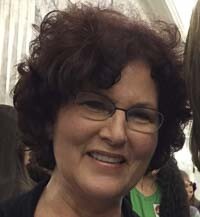
Julia Dawn Seaver
Vancouver

Also read:
- Opinion: Tax day is painful enough without Washington adding its own
 Washington’s new 9.9% income tax mirrors federal pattern: start narrow, expand to hit everyone within years.
 - POLL: What do you believe is the biggest reason school districts are facing budget shortfalls?
 Districts across Washington warn of budget gaps as debate grows over rising costs versus inadequate state funding.
 - Opinion: The high cost of hiding – Why IBR’s delayed revenue study is a $15 billion warning sign
 IBR delays critical toll revenue analysis until June 2027, hiding financial details until after project approval.
 - Opinion: The high cost of hiding – Why IBR’s delayed revenue study is a $15 billion warning sign
 IBR delays critical toll revenue analysis until June 2027, hiding financial details until after project approval.
 - Opinion: Washington fails the test for affordability
 Mountain States Policy Center analysis reveals Washington ranks 5th most expensive state as residents migrate to Idaho and Texas.
 wpDiscuz
