



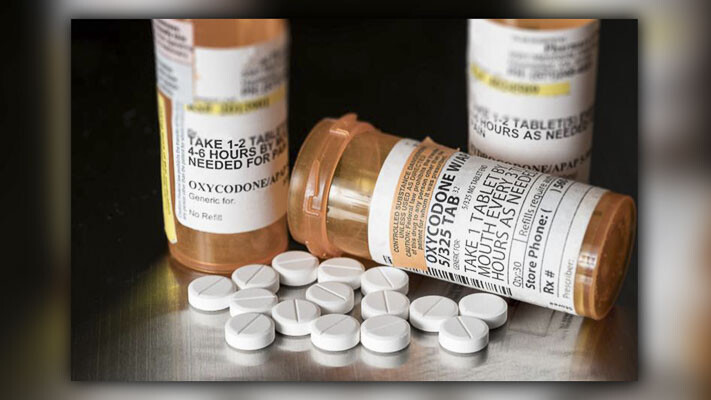
The number of reported fatal overdose deaths increased by 25%, from 2,351 to 2,948
TJ Martinell
The Center Square Washington
Washington’s fatal drug overdose rate increased in a one-year period the fastest of any state, according to a new report by the Centers for Disease Control and Prevention. The report found that between March 2022-March 2023, the number of predicted cases of fatal drug overdose increases by 28.4% from 2,356 to 3,024. The number of reported fatal overdose deaths increased by 25%, from 2,351 to 2,948.
Coming in second in terms of predicted drug overdose deaths was Oregon at 19.6%, followed by Nevada 19%. Nationally, the average predicted drug overdose cases increased by only .01%, while reported cases actually decreased by 3.1%. More than 20 states had their predicted fatal overdose numbers decrease. Arkansas had the largest decrease in fatal overdoses of 14.26%.
In a news release about the CDC report, Sen. Mike Padden, R-Spokane Valley, said, “Washington’s drug crisis continues to worsen, with this latest news from the CDC really underscoring how serious it has become. When there are nearly 700 more drug-overdose deaths than the previous year, it is clear our state’s approach to drug use has not worked. More must be done to combat drug use and overdoses, including tougher punishment for using hard drugs, before even more lives are lost.”
A large percentage of those drug overdoses occur in King County. In 2022, there were more than a 1,000 fatal drug overdoses. As of June, this year so far there have been 876, whereas in 2021 there were 703 deaths.
“In King County, they’re having trouble finding room at the morgue,” Padden said. “These new statistics from the CDC demonstrate the terrible consequences of the decisions made by our colleagues. All of us in Washington are affected by this uptick in drug usage, whether we have a loved one who is afflicted or is at risk of being victimized by addicts who must steal to support their habits.”
In 2021, the state Supreme Court ruled in the Blake decision that Washington’s felony drug-possession law was unconstitutional. That same year, the Legislature enacted a law making it a misdemeanor to possess hard drugs. Though Padden attributes the recent increased deaths to the Blake decision, between 2004 and 2018 the fatal drug overdose rate per 100,000 residents remained relatively before it went up in 2019 to 18.5 and then 24.4 in 2020. By 2022, the rate had gone up to 34.3.
In an email to The Center Square, State Department of Health Public Information Officer John Doyle wrote that “there is not a simple explanation to these increases, but several factors at play,” including an increase in synthetic opioids in the drug supply. Between 2018-2022, the percentage of drug overdose deaths involving a synthetic opioid increased from 19% to 69%.
“The increase in synthetic opioids/fentanyl involved ODs does appear to drive the overall OD death rate,” the email stated, while also noting the amount of synthetic opioids is higher in the western U.S. than the rest of the country.
Further, Doyle noted that Washington’s fentanyl overdose death rate is still lower than national average, and that the national average overdose death rate for all drugs and synthetic opioids first started to increase several years before Washington’s.
According to Doyle, there are several challenges to reducing drug overdose deaths. Not only does fentanyl, a popular drug contributing to overdose deaths, come in many forms but counterfeit pills are difficult to differentiate from real ones. In some cases, a single pill can lead to a fatal overdose.
“Because of this increased potency, just as is seen nationally, in Washington we are seeing increasing deaths in individuals including teens who unknowingly ingest fentanyl when they experiment with what they think is a prescription opioid,” Doyle said.
He also stressed the need for greater community connection for those susceptible to drug abuse, arguing that “people use drugs less when they have a sense of connection and purpose and we won’t really get a handle on what is occurring if people continue to experience poverty, desperation, and lack of purpose.”
While Padden believes Washington should reinstate the felony drug possession law overturned by Blake, DOH recommends expanded community-based system capacity than current treatment programs and creating health hubs that include harm reduction services. Additionally, it advocates for programs “addressing the social determinants of health.”
This report was first published by The Center Square Washington.
Also read:
- 49th Legislative District Democrats share their reasons for backing state income tax at Town Hall
 Three Democrat legislators defended the new income tax affecting only those earning over $1 million annually.
 - Letter: Freeze the scope and build the bridge
 Vancouver resident calls for project discipline after 22 years of planning and nearly half a billion in costs.
 - Ekklesia Theatre presents ‘Every Brilliant Thing’
 Interactive theatre production donates 50% of ticket sales to local counseling services.
 - Opinion: Public workers’ First Amendment rights are getting attention – in Idaho, not Washington
 Idaho moves to stop public schools from collecting union dues through government payroll while Washington continues favoring unions over worker choice.
 - Opinion: Lawsuit filed against the unconstitutional income tax in Washington state
 Former Attorney General Rob McKenna and Supreme Court Justice Phil Talmadge challenge the 9.9% income tax in Klickitat Superior Court.
 - Vancouver Police investigate domestic violence homicide
 Vancouver Police Major Crimes Unit investigating after woman found dead with knife wounds on NE Oakbrook Circle.
 - Letter: ‘Oregon and Washington aren’t refusing to clean their rolls — they’re contesting federal jurisdiction and timing’
 Camas resident challenges Lars Larson’s fraud claims, explaining legal disputes over federal jurisdiction.
 wpDiscuz
