


Senate budget leader is keeping an eye on a growth projection that is noticeably lower than any time outside of the Great Recession earlier this century
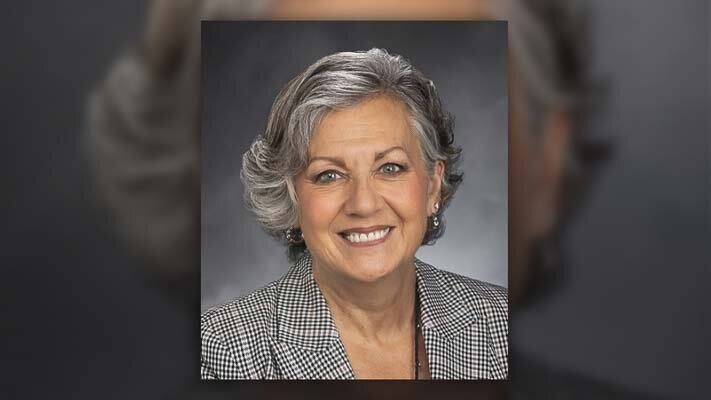
VANCOUVER — While the state revenue forecast adopted today keeps the government’s revenue picture comfortably on the plus side, Sen. Lynda Wilson is keeping an eye on a growth projection that is noticeably lower than any time outside of the Great Recession earlier this century.
Wilson, R-Vancouver, is Senate Republican budget leader and chair of the state Economic and Revenue Forecast Council, which met today to adopt the third of the state’s quarterly revenue forecasts for 2023. It adjusts state government’s four-year budget outlook upward by $1.1 billion, with $663 million of that for the 2023-25 biennium and $437 million for the following two-year budget cycle.
Following the meeting she offered this assessment:
“The signals in this forecast are mixed. While consumer spending in our state has been resilient, and personal income is up, and unemployment is historically low, we learned today how that’s being offset by things like rising interest rates, which are a drag not just on vehicle sales and real-estate activity but also are putting a harder hit on people working to pay down credit-card debt left from the pandemic.
“Add in rising rents and higher gas prices and the coming student-loan repayments and you have people spending more on things which don’t generate sales-tax revenue. That helps explain why revenue growth is projected at only 3% in this budget cycle, a low that hasn’t been seen in many years. Also, the capital-gains income tax is generating much more revenue than was expected early this year, and the death tax – which is double taxation that shouldn’t happen – produced $138 million more than anticipated in the June forecast. While government can spend those tax dollars like any others, no one should forget they aren’t a product of normal economic activity and are not as predictable.
“As a budget leader I’m inclined to take a wait-and-see attitude. There’s one more forecast before the next legislative session, and it will tell us much more about opportunities in 2024 to address the affordability crisis that continues to weigh heavily on so many families around our state. For Republicans, this is a top priority – while Democrats keep supporting new taxes and fees and other policies that make the cost of living higher.”
Also read:
- Opinion: Fatal flaws of Socialism – The knowledge problem
 Cargill argues no government, committee, or computer can possess the dispersed knowledge that markets coordinate through prices.
 - Battle Ground Public Schools seeks citizen advisory committee members
 Battle Ground Public Schools invites parents and residents to join its Citizens Advisory Committee, with open meetings Sept. 10 and Oct. 8.
 - Ridgefield Main Street unveils new Greely Building photo panels
 Large-scale photo panels on the Greely Building showcase Ridgefield’s wildlife refuge, Chinookan Plankhouse, and dragon boat traditions.
 - Vancouver Police investigate fatal collision
 A 74-year-old man in a motorized wheelchair died after a pickup truck struck him in a Vancouver intersection Wednesday evening.
 - Opinion: ‘It may be time for McCleary 2.0’
 Dick Rylander examines the Battle Ground School District’s proposed $116,830,000 three-year EP&O levy heading to the November 2026 ballot.
 - Washington Policy Center tax expert warns that new income tax will affect everyone
 Ryan Frost argues Washington’s new 9.9% income tax has a $1M deduction that a simple legislative majority could remove.
 - Opinion: Were Republican voters just sleeping during the August primary election?
 CCRP Chairman Matt Bumala says 60% of primary no-shows in the 17th and 18th districts were Republicans.
 wpDiscuz