




House Bill 1122 would improve students’ educational success by restricting mobile device use in public schools
As many Washington students continue to struggle with reading and writing, Rep. Stephanie McClintock recently introduced legislation aimed at improving learning opportunities and outcomes for everyone.
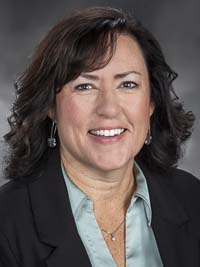
House Bill 1122 would improve students’ educational success by restricting mobile device use in public schools. The bill would require the Washington State School Directors’ Association to develop policies and procedures for restricting student mobile device use during class time.
“It’s no secret Washington students are not getting the education they deserve, and mobile device use in our public schools is not helping,” said McClintock, R-Vancouver. “It has become a chronic issue, and our kids are suffering because of it. We want to eliminate the distraction these devices create during class time to improve learning outcomes. Many school districts in Washington have already implemented policies restricting cell phone use during school hours, which is a great step forward. However, we need to ensure ALL school districts have a policy in place, so ALL students can succeed.
“The numbers don’t lie. According to a recent editorial in The Seattle Times, grades and test scores throughout Washington are abysmal. Cell phone use during class time is part of the problem. This policy will benefit learning and students’ mental health.”
In addition to the cell phone legislation, McClintock introduced House Bill 1289, which would require the Office of the Superintendent of Public Instruction (OSPI) to create a voluntary online survey for parents or guardians to fill out when transferring or withdrawing a student from a public school or school district.
“We are losing too many kids from public schools, and this legislation would help us determine why,” said McClintock. “Unless we know why they are leaving, we aren’t going to know how to improve. So, the goal of this bill is to collect information from parents who choose to transfer their students from the public school system to an alternative learning experience. Based on those results, we can create policies that better meet the needs of our students and parents.”
Lastly, McClintock filed House Bill 1121, which would allow 16-or 17-year-old minors to work the same number and frequency of hours during the school year as would be permitted during summer, school vacations, or holidays if they meet certain requirements.
The student would have to be enrolled in an approved career and technical education program, and the work would have to be performed for an employer approved by the program.
“Many teens work while they attend school but are only allowed to work a very limited number of hours,” said McClintock. “Several of these students are ready and prepared to work more hours, which would help them financially and offer additional on-the-job training and education.”
The 2025 legislative session began on Monday, January 13 and will last 105 days.
Information provided by Washington State House Republicans,
houserepublicans.wa.gov

Also read:
- POLL: Do you agree with requiring board members to follow council direction?
 Disagreement among county councilors centers on whether C-TRAN board members should reflect the council’s collective wishes or act independently, highlighting ongoing concerns about public accountability.
 - High-value WA home listings increase by 65% after income tax passage
 After lawmakers approved an income tax targeting millionaires, listings for homes priced at $2 million or more jumped 65 percent compared to last year, with experts urging caution about interpreting the spike.
 - 18th District lawmakers to host town hall meeting on Saturday, March 28, in Battle Ground
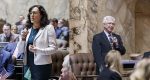 Stephanie McClintock and John Ley will meet with Battle Ground constituents to answer questions, review the new income tax, and discuss the effects of the $80 billion budget.
 - Opinion: The legislature has committed $2.4 billion to recurring pension increases since 2018
 Six legislative COLAs have raised public employer costs by $2.38 billion since 2018, driving up unfunded pension liabilities and increasing burdens on county and city budgets.
 - Opinion: ‘Just because they got away with it doesn’t mean they weren’t wrong’
 A Skamania County deputy’s report found violations of county rules and the Open Public Meetings Act, but no prosecutor acted on the findings.
