



Washington citizens pay $7,700 per ton of CO2 reduction
The Washington State Department of Ecology briefed the House Environment and Energy Committee on the state’s Climate Commitment Act (CCA) on Tuesday, providing the basis for discussions on what lies ahead in efforts to reduce CO2 emissions. According to the briefing, Washington took in $2.6 billion last year from the CCA in the “Cap and Invest” program, while CO2 emissions were reduced by 335,170 metric tons (MT).
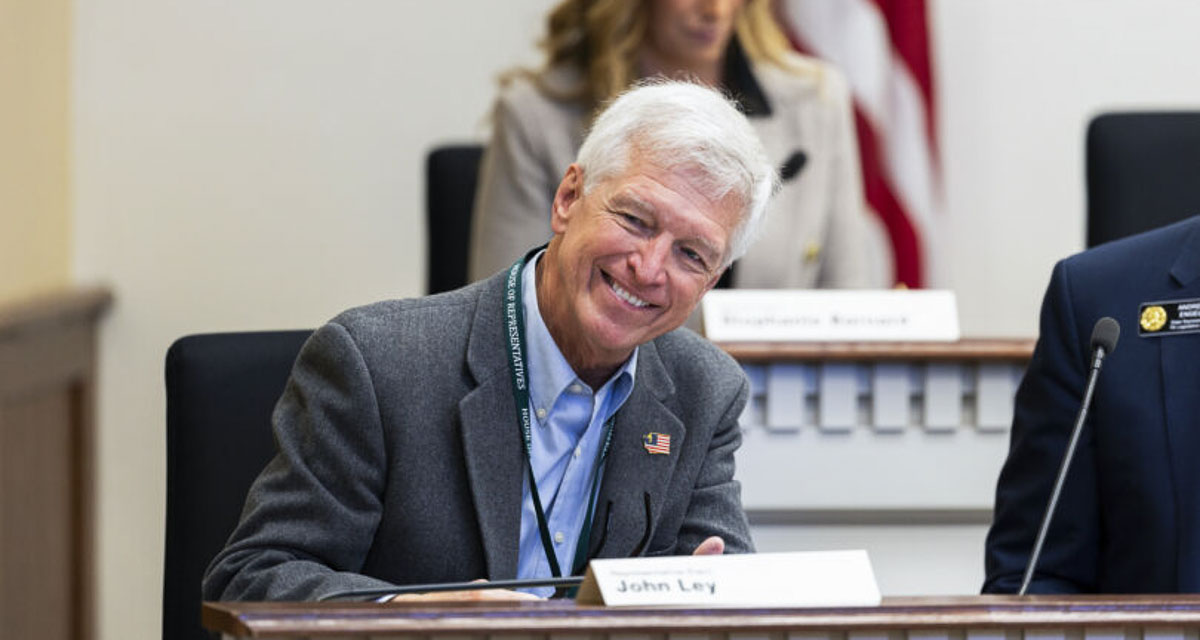
Rep. John Ley, R-Vancouver issued the following statement after the briefing:
“The Cap and Invest Program is not working. This reduction is just 0.3 percent of our current carbon emissions. The $2.6 billion people paid is an extremely expensive cost for what amounts to almost a rounding error in total CO2. Our citizens spent over $7,700 to reduce one ton of CO2.
The most recent price of a state carbon permit is $40 per metric ton. The price is set on the open market and has ranged from a high of $63.03 per MT to a low of $25.76. Why would taxpayers pay $7,700 to reduce one ton of CO2, when that would buy between 122 tons and 308 tons of carbon offset permits?
To reduce CO2 emissions by 1 million metric tons (MMT), we would need to pay $7.8 billion. To completely eliminate our current carbon emissions of 96 MMT would cost people $748.8 billion!
Putting this in context, the $750 billion is more than 10 biennial state budgets. That money would fund state operations for over 10 years, at our current $72 billion operating budget.
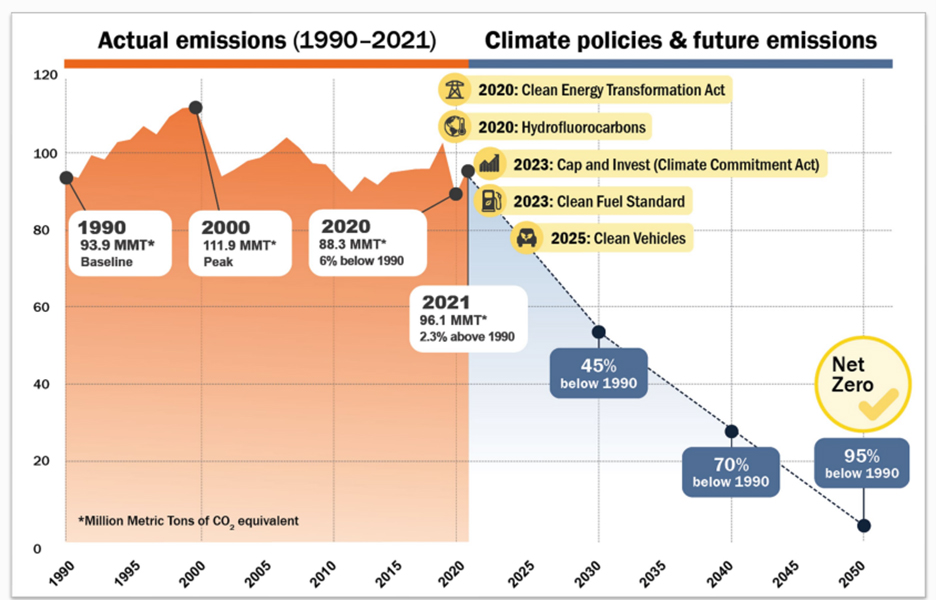
Many of the initial legislative established “goals” for carbon emissions relate to 1990 when the state supposedly had 93.9 million metric tons (MMT) of carbon. By 2000, the state emitted 111.9 MMT of CO2. With pandemic lockdowns, our emissions dropped to just 88.3 MMT but grew to 96.1 MMT in 2021. The long-term goal is to reach “net zero” of CO2 emissions by 2050.
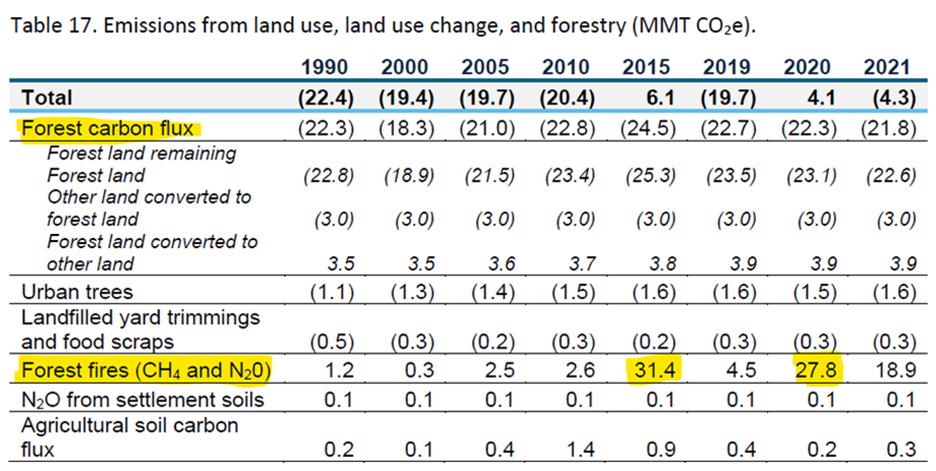
Some additional information was presented to the Environment and Energy Committee earlier in the year. In 2018 and 2020, forest fires in our state wiped out all our CO2 reduction efforts those years, adding 31.4 and 27.8 MMT, respectively. This points out the need for much better timberland management of our timberland in our state. We need to prevent forest fires. But more importantly, we must quickly extinguish them when they get started.
The fires and destruction in the Los Angeles area should be a warning to all of us, regarding proper forest management. Wildfires have added 5.3 billion tons of CO2 to the atmosphere in 2022, according to Carbon Brief. That is more than any country contributed in 2022 except China.
By 2030, statewide goals are to be 45 percent below 1990 levels, or 51.6 MMT. We would need to eliminate over 42 MMT in the next five years. Yet fires in Washington added over 78 MMT of carbon to our atmosphere in just 3 years, 2018, 2020, and 2021. That is 232 years of carbon capture efforts from our CCA sales.
The funding priority in Washington’s budget to reduce global climate temperatures seems to be misdirected. We are breaking our reliable, affordable energy in Washington State while failing to fund practical, affordable investments. By focusing on simple and practical projects, we can assure that we are better prepared than California for wildfire, and other anticipated events requiring planning and preparation.”
The 2025 legislative session began on Jan. 13 and will last 105 consecutive days.
Information provided by Washington State House Republicans, houserepublicans.wa.gov

Also read:
- Project 42: It is an income tax, not a millionaire’s tax
 Project 42 co-founder Dann Mead Smith urged Clark County residents to organize against the new income tax law, emphasizing it can be expanded to reach more than just millionaires.
 - VIDEO: WA income tax signed into law with legal challenge right behind
 A 9.9% income tax affecting high earners in Washington faces swift legal opposition and a proposed citizen initiative seeking repeal.
 - Income tax signed in Washington with a legal challenge close behind
 A new law will tax households earning over $1 million, with funds aimed at expanding credits for lower-income residents. Lawsuits and challenges are already underway.
 - Peter Silliman announces candidacy for Clark County Council
 Peter Silliman, small business owner and Charter Review Commissioner, is seeking the District 5 seat and promises action on transparency, housing, and park development.
 - Opinion: Defend bail now or face more chaos on our streets
 A proposed Washington court rule would cap bail for most misdemeanors and allow defendants to bypass bondsmen, raising concerns about accountability and public safety.
 wpDiscuz
