


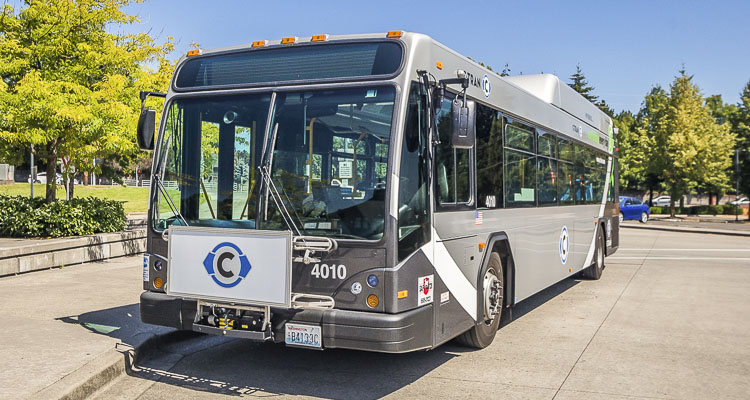
The CCAC acts as a liaison between the community and the C-TRAN Board of Directors
The C-TRAN Citizens Advisory Committee (CCAC) is seeking applicants to join the committee in 2025.
The CCAC acts as a liaison between the community and the C-TRAN Board of Directors. Its members represent a wide range of perspectives and experiences, and we’re looking for applicants to fill multiple positions. Among the seats currently open for 2025:
- At-Large Representative (2)
- Blind Representative
- Environmental Community Representative
- Fixed-Route Rider Representative
- Business Representative
The committee provides feedback directly to C-TRAN staff on a host of issues and makes recommendations to the C-TRAN board.
New members would serve a two-year term from January 2025 through December 2026. The CCAC typically meets one evening per month for up to two hours. CCAC members also receive a free bus pass for as long as they serve on the committee.
Applications are due Mon., October 7. More information, including the application form, is available at ttps://www.c-tran.com/about-c-tran/citizens-advisory-committee.
Also read:
- Opinion: Portland’s War on Cars Part 4 – A smarter automobile strategy to end gridlock
 O’Toole argues fuel wasted in Portland-area congestion has sextupled since 1982, generating 250,000 tons of extra greenhouse gases annually.
 - Opinion: Transit ridership trends are dismal but regional plans are oblivious
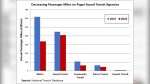 Puget Sound transit passenger-miles fell 31% from 2015 to 2024 despite a half-million-resident population increase.
 - Interstate Bridge Replacement Program seeks qualified firms for bridge replacement contract
 The CRBR project is backed by $5.7 billion from state funds, federal grants, and future tolling.
 - Opinion: Bankrupt – A $3.5 billion Rose Quarter Freeway widening project
 Joe Cortright argues ODOT’s Rose Quarter project has grown from a $450M approval to a $3.5B estimate, with a $2B funding gap.
 - Opinion: Portland’s War on Cars 3 – Ending the war on automobiles
 O’Toole argues Portland should add toll lanes, fix safety hazards, and redesign TriMet routes to end its anti-auto policies.