



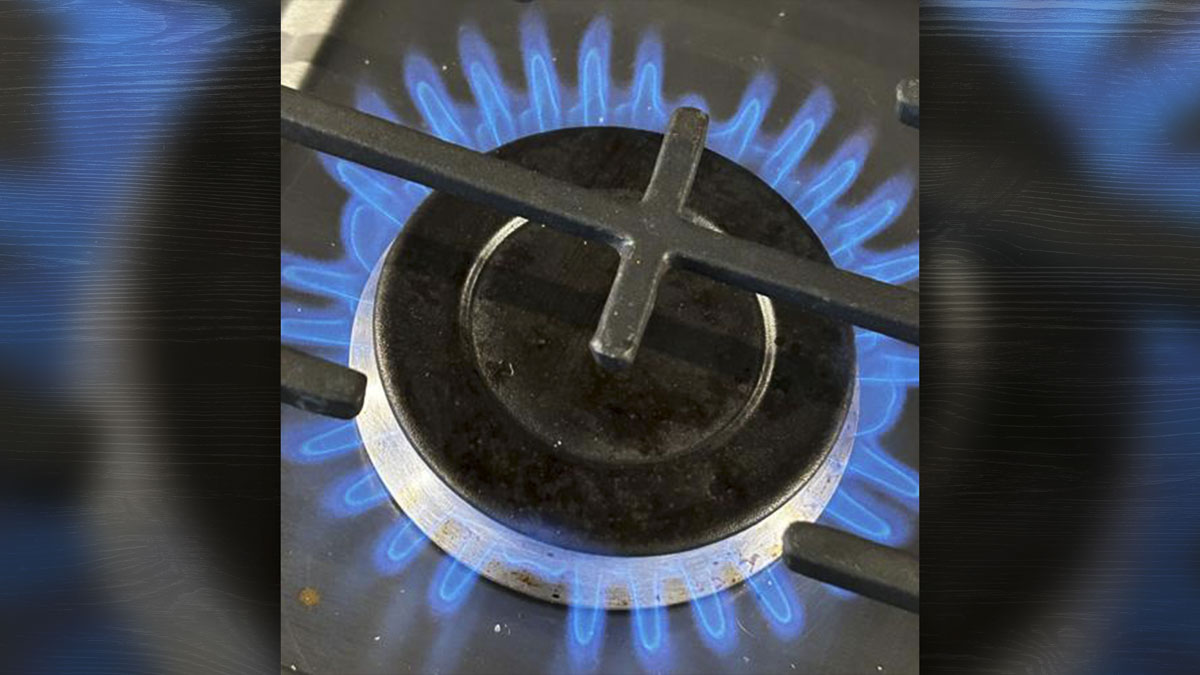
The AGA has already mounted a legal challenge to DOE’s final Consumer Furnace Rule
Carleen Johnson
The Center Square
It’s been a rough week for supporters of natural gas, with the Department of Energy issuing final rules that ban certain types of natural gas water heaters and DOE’s release of a report on the Biden administration’s pause earlier this year on natural gas exports that gives justification for the policy change.
“The Biden Administration’s pause on American LNG exports was a mistake that resulted in uncertainty for the market, for investors, and for America’s allies around the world,” said American Gas Association (AGA) President and CEO Karen Harbert in a news release. “America’s allies are suffering from the weaponization of natural gas and energy deprivation and any limitations on supplying life essential energy is absolutely wrong-headed.”
Climate activists and environmental justice advocates celebrated the release of the DOE report halting LNG exports.
“Make no mistake: liquefied ‘natural’ gas is clearly not in the public interest,” said Mattea Mrkusic, Evergreen Action senior policy lead for energy transition, in a statement posted by Evergreen Action. “That’s why over 120,000 people nationwide are calling on President Biden to reject these dangerous mega projects, safeguard vulnerable communities, and lock in critical progress for the climate. This is the moment for the Biden administration to listen and act decisively.”
As previously reported by The Center Square, The AGA has already mounted a legal challenge to DOE’s final Consumer Furnace Rule, establishing new standards for residential furnaces to make them more energy efficient.
That new rule would sideline noncondensing furnaces, which are less energy efficient, and make newer furnaces mandatory in 2028.
DOE has now decided to ban a segment of instantaneous water heaters, per another final rule this week.
Matthew Agen, AGA chief counsel, said in a news release, “The final rule is a violation of the Energy Policy and Conservation Act (EPCA), which prohibits DOE from promulgating a standard that renders a product with a distinct performance characteristic unavailable.”
In a phone interview this week, Agen explained that DOE has the authority to issue energy efficiency standards and has been reviewing and issuing new standards over the last several years, with this latest one relating to water heaters.
“What they did in this rule is they set the standard at a level which would require that only instantaneous condensing water heaters are sold in the U.S.,” he explained. “This is similar to what they did with natural gas furnaces, where they set a standard so high that while they may be more efficient, the cost is higher, and what they really did was take the same principle on furnaces and apply it to water heaters.”
Agen said AGA believes DOE has been rushing to implement rule changes before President-elect Donald Trump brings in a new team that is likely to be more friendly to natural gas.
“There is going to be a change in administration in less than a month and that does impact the timing, and DOE wanting to get these rules out before there’s a wholesale change in administration,” said Agen.
He suggested the new rules will likely be reviewed by Congress.
“Maybe this is something under the Congressional Review Act, and maybe they can pull it back by vote,” Agen noted. “The hope is we get more of a fair shake from the Trump administration and someone that looks at our data that are backed up with numbers and gives us more of a fair view of things.”
Meanwhile, dueling lawsuits are raging over the recently voter-approved Initiative 2066, which protects natural gas as an energy choice in Washington.
The outcome of those suits will determine whether recently adopted Washington energy codes that move away from natural gas, along with other policies that encourage electric heat pumps over gas furnaces, remain in place or will be amended.
The Building Industry Association of Washington, which backed I-2066, filed suit in Thurston County Superior Court, asking a judge to require the Building Code Council to amend codes in accordance with the initiative.
Opponents of 2066 responded with a suit seeking to overturn the ballot measure, arguing that it violates the state constitutional requirement that ballot measures deal with a single subject.
This report was first published by The Center Square.
Also read:
- Plenty of NBA connections expected in town Sunday for Vancouver Bears game
 Former NBA stars Gary Payton and Robert Pack will coach opposite each other when the SuperHawks visit the undefeated Vancouver Bears in a marquee USBL matchup.
 - 18th District lawmakers to host town hall meeting on Saturday, March 28, in Battle Ground
 Stephanie McClintock and John Ley will meet with Battle Ground constituents to answer questions, review the new income tax, and discuss the effects of the $80 billion budget.
 - State’s umpire-in-chief goes on recruiting trip in his final season as a baseball umpire
 Tim Stevens is spending his last season traveling to every Washington umpire association, working to address the shortage of officials and encourage young people to join the ranks.
 - POLL: After hearing state leaders describe the I-5 Bridge as vulnerable in an earthquake, what is your reaction?
 State and local leaders describe the I-5 Bridge as structurally at risk but recommend drivers continue crossing it while complex replacement plans unfold.
 - Opinion: Historical state income tax and another massive operating budget highlight the end of the 2026 legislative session
 Rep. John Ley details the passage of a state income tax, an expanding $80 billion budget, and new Clark County infrastructure funding following the 2026 legislative session.
 - VIDEO: Legal challenges certain as Gov. Ferguson prepares to sign new income tax
 Senate Minority Leader John Braun and other legislators expect legal challenges and initiative efforts to follow Gov. Ferguson’s signature on Washington’s new income tax law affecting high earners and businesses.
 - Vancouver Fire Department honors firefighters, community members at annual awards ceremony
 Acts of bravery, including river rescues and life-saving interventions by both residents and first responders, were recognized at the Vancouver Fire Department’s annual awards ceremony.
