




House Bill 2180, sponsored by Rep. John Ley and endorsed by Rep. Stephanie McClintock, would require background checks for all coaches and individuals who manage or supervise youth sports programs
 See Grok’s analysis of this story
Lawmakers from the 18th Legislative District are sponsoring legislation aimed at protecting children in youth sports programs from abuse and sexual predators.
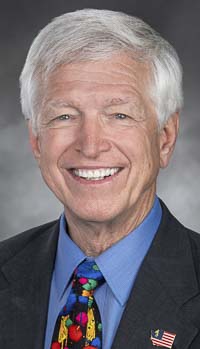
House Bill 2180, sponsored by Rep. John Ley and endorsed by Rep. Stephanie McClintock, would require background checks for all coaches and individuals who manage or supervise youth sports programs. The bill also directs the Department of Children, Youth, and Families to develop mandatory training on reporting child abuse and neglect tailored for youth sports coaches and make it publicly available.
Under the legislation, all youth sports organizations would be required to complete the training, and coaches would be mandated reporters obligated to report suspected child abuse or neglect.
“This legislation was prompted after concerned parents encountered a convicted sex offender who failed to disclose his conviction while seeking to coach their children,” said Ley, R-Vancouver. “By requiring background checks — paid for by the individual or organization — we give parents and program administrators better tools to protect kids.”

HB 2180 would require youth sports organizations to submit background checks through the Washington State Patrol before hiring any coach. The bill would also prohibit organizations from employing anyone convicted of crimes against children or other persons.
“Protecting kids will always be a top priority for me,” said McClintock, R-Vancouver. “As a mom, this legislation closes dangerous loopholes and helps ensure youth sports remain a safe environment for kids and families.”
“I also want to thank the constituent that brought this matter to our attention,” said Ley. “This is an important issue.”
The 2026 legislative session begins Monday, Jan. 12.
Information provided by the Washington State House Republicans, houserepublicans.wa.gov

This independent analysis was created with Grok, an AI model from xAI. It is not written or edited by ClarkCountyToday.com and is provided to help readers evaluate the article’s sourcing and context.
Quick summary
18th District lawmakers Rep. John Ley and Rep. Stephanie McClintock have introduced House Bill 2180, which would require Washington State Patrol background checks for all youth sports coaches and supervisors, bar organizations from hiring individuals with certain convictions, and mandate child‑abuse reporting training developed by the Department of Children, Youth, and Families.
What Grok notices
- Quotes from Ley and McClintock explain that the proposal was prompted by a constituent’s concern about a convicted offender, giving the bill a clear real‑world origin story.
- Outlines key requirements, including WSP criminal‑history checks, mandated‑reporter status for coaches, DCYF‑developed abuse‑reporting training, and how costs are expected to be handled by organizations.
- Helps readers understand potential implementation questions for youth leagues, such as training availability and compliance responsibilities.
- Indicates that the bill will be considered in the 2026 session, allowing readers to follow its progress through committee hearings and votes.
- Does not delve deeply into how the proposal compares with current voluntary background‑check practices already used by some youth sports organizations in Washington.
Questions worth asking
- How might mandatory background checks and training requirements affect volunteer recruitment and costs for smaller or rural youth sports programs?
- Beyond crimes against children, what specific offenses would be disqualifying for coaches and supervisors under HB 2180?
- In what ways could standardized training from DCYF reinforce or expand on existing child‑safety resources available to coaches and league officials?
- How do the bill’s proposed requirements compare with youth‑sports safety and screening standards already in place in other states?
- Could similar background‑check and training mandates eventually be extended to non‑sports youth activities such as scouting, camps, or arts programs?
Research this topic more
- Washington State Legislature – HB 2180 bill text, sponsors, and legislative history
- Washington State Patrol – criminal‑history and background check procedures
- Department of Children, Youth, and Families – child‑abuse reporting information and training resources
- Washington Interscholastic Activities Association – existing coach‑certification and safety guidelines
- National Alliance for Youth Sports – national standards for background screening and coach training

Also read:
- Fiscal fallout: $375 million bond debt indirectly funding operating budget
 Shifting $375 million from a loan fund impacts local infrastructure as Washington state covers operating costs with bond debt, prompting concern among officials and advocacy groups.
 - Lawsuit aims to block new eligibility requirements for WA sheriffs
 Four sheriffs are suing over a state law that sets new eligibility rules, arguing it undermines voter authority by allowing removal for certification issues.
 - Opinion: The growing gap between public voice and political power
 Todd Myers describes how large-scale protest and sign-ins often fail to sway state leaders, and argues authentic influence is most likely found through local action.
 - Opinion: Who is winning the race for affordable power?
 Hydroelectric power keeps Washington competitive, but new laws and carbon pricing are driving up electricity costs for residents each year.
 - White House govt. Funding request for 2027 cuts $73 billion
 President Trump’s budget seeks to boost defense funding while cutting $73 billion from agencies like the EPA, NASA, and Agriculture, prompting sharp criticism from Democratic leaders.
 wpDiscuz
