



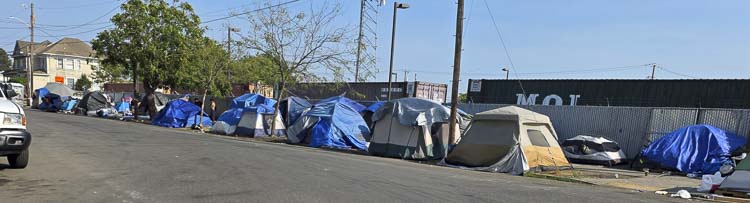
Two candidates for mayor and five candidates for city council positions shared their views on the city’s response to homelessness and their thoughts on the Bridge Shelter, which is scheduled to open in the fall of 2026
Paul Valencia
Clark County Today
Whether incumbents continue in their roles, newcomers prevail, or a mix, Vancouver City Council members and the mayor will have a challenge dealing with the homeless crisis.
Clark County Today sent out a questionnaire to the eight candidates (two for mayor and six for the three City Council positions) last week and got responses from seven. With ballots mailed out to voters, we continue our series focusing on the candidates and the issues in preparation for the Nov. 4 election.
Today’s subject is homelessness.
The premise and the questions: We know the city is optimistic that the Bridge Shelter will improve the homeless problem. If that does not work – if there is no significant progress – would you be open for more aggressive tactics to deal with the homeless, the campers who have taken over parks and sidewalks? In other words, would you be willing to take advantage of the Grants Pass ruling?

The Bridge Shelter, expected to open in the fall of 2026, will have enough space for 120 beds. Construction is set to begin next month.
The seven candidates who replied gave a wide range of answers. One did not agree with the premise that campers have taken over parks. Another said to keep funding what is working but stop funding what is not working. The Bridge Shelter will be a tool to help the situation but is not be-all, end-all, one said. More than one candidate noted that homelessness should not be criminalized.
In August, the city of Camas banned camping in public areas and sidewalks. By some counts, more than 200 cities across the country have enacted such policies since the Grants Pass ruling.
In Vancouver, dozens of campsites along the Burnt Bridge Creek Trail were simply moved a few hundred yards away every few weeks for a cleanup. This went on for years, with the campsites growing, before the city put an end to those camps in July.
In September, Clark County Today took a tour of the homeless camps at and around the Share House near downtown. City sidewalks have been blocked by those camps.
Here are the answers from the candidates in regard to the homelessness question:
Mayor
Anne McEnerney-Ogle: “… Vancouver has consistently emphasized a multi-pronged approach combining shelter programs, outreach, and affordable housing initiatives.”
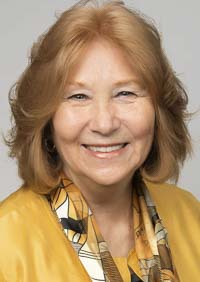
“Campers have not taken over the parks in Vancouver. While Grants Pass initially focused on enforcement and later moved toward a legally-mandated, accessible-camping model, Vancouver has consistently emphasized a multi-pronged approach combining shelter programs, outreach, and affordable housing initiatives.
“Grants Pass jails could not handle the homeless population. Upon release, individuals simply returned to the streets, perpetuating a ‘homelessness-jail cycle.’ A subsequent settlement required the city to provide alternative housing options.
Vancouver’s work has resulted in a different visible outcome on the ground compared to the legal battles and changing encampment policies in Grants Pass.”
Justin Forsman: “Public camping that endangers others or blocks sidewalks will not be tolerated, but meaningful alternatives will always be available.”
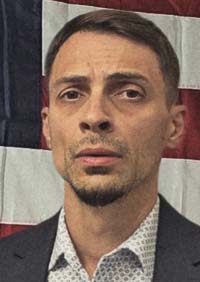
“We must take a firmer, results driven approach with compassion but also with boundaries. The Bridge Shelter is only a start. My administration will be declaring a public health emergency on fentanyl and methamphetamine. We will aggressively target drug trafficking and open air use that is destroying lives and our neighborhoods.
“Enforcement alone however is not the solution. We need a pathway back through real reintegration and rehabilitation. That means structured programs for mental health, addiction recovery, employment opportunities and training, not just temporary housing.
“I have lived through homelessness myself as a child, so I know what hopelessness feels like, and I know that people can rebuild if they are given the right tools.
“Under my leadership, Vancouver will no longer enable the behavior that keeps people trapped, but we will offer every opportunity to change.
“Public camping that endangers others or blocks sidewalks will not be tolerated, but meaningful alternatives will always be available. The goal will be compassion, but with accountability, and a city that is clean, safe, and humane for all that live here.”
Council Position 1:
Pooneh Gray: “Without changing our approach, the city will remain in a cycle of building more shelters without addressing the root problems.”
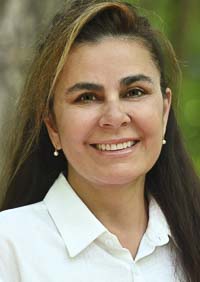
“I’ve personally toured several encampments and have seen that many of the people living there suffer from mental illness and/or drug addiction. The Bridge Shelter is a valuable tool, but it’s not a silver bullet and can only house 120 people, while far more are sleeping on our streets. The city continues to spend on homelessness, yet the numbers keep rising. We must focus on accountability within programs to ensure funds reach the ground level where they help those who need it most. Treatment must be individualized, data-driven, and tracked with measurable outcomes. Without changing our approach, the city will remain in a cycle of building more shelters without addressing the root problems. Our goal must be to help individuals move toward independence or supportive housing, depending on their needs and abilities.
“Vancouver also lacks residential treatment options for people with serious mental illness to address both the folks on our streets and those within our jail system. We should strengthen partnerships with community care providers and our local mental health partners, and leverage available Medicaid and federal funds to provide both housing and treatment.
“Additionally, the state recently built Brockman Campus psychiatric facility which remains empty because operational funding wasn’t budgeted. This is a much needed resource, and I will work on making sure that this campus is funded by the state to treat folks that suffer from a severe mental illness and are not safe in the community.
“We must show compassion with tough love, encouraging people to receive help, become invested in that help, and understand that sleeping on the street isn’t an alternative. This is how we begin to restore dignity, safety, and hope for everyone in our community.
Council Position 2
Erik Paulsen: “Criminalizing folks living outside will not … reduce the number of people dying on the streets.”
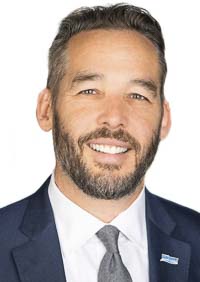
“The bridge shelter will create capacity to bring more people inside and onto a path to housing.
“Homelessness is principally a result of lack of affordable housing and rising income inequality. Criminalizing folks living outside will not address either of those issues or reduce the number of people dying on the streets.
“It will be less cost-effective than shelter when one considers the cost of the criminal justice system and incarceration.”
Derek Thompson: “I’m not in favor of the Bridge Shelter idea because it’s temporary and not cost-effective.”
“I do believe we have to be more aggressive in our thoughts and actions to clean up the problem, but as for the Grants Pass ruling, I find it absurd without providing somewhere for them to go. There are solutions. As a former founder and CEO of a non-profit that served the homeless and less fortunate demographic locally, I have a lot of experience that has taught me about how to help them.
“I’m not in favor of the Bridge Shelter idea because it’s temporary and not cost-effective.”
Council Position 3
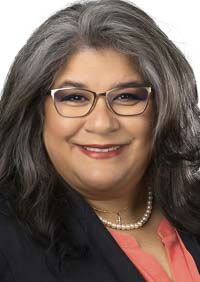
Diana Perez: “We cannot criminalize being homeless.”
“I believe the Grants Pass ruling is a tool for us to use when the time comes. We cannot criminalize being homeless. We must focus on the root causes, have intentional coordination and resources across multiple jurisdictions with multiple partners, and be open to new creative ways of getting people off the streets, sidewalks, and parks, like the safe stays and safe parks have done. The safe stays have been successful for many folks in transitioning to housing and getting the help needed to build back up.”
Robert Elkin: “After help is offered and refused multiple times, we must take action.”
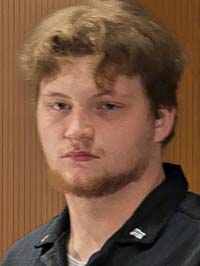
“Yes. At this point, nothing is off the table. People are dying on our streets. We need to put more funds into the things that are working and stop funding things that are not working. After help is offered and refused multiple times, we must take action. We owe it to our business owners to not drive customers away, our children to have safe streets and parks, and our neighborhoods to protect property values.
Note: Kim Harless, the incumbent in Position 1, did not respond to the questionnaire. If Harless provides answers this week, we will update the story.

Also read:
- Rep. John Ley introduces bill to balance representation on Washington transportation boards
 Legislation introduced by Rep. John Ley seeks to change how transportation board seats are allocated and prevent funding penalties tied to population-based representation rules.
 - Opinion: More taxes sadly the Washington way
 Elizabeth New (Hovde) argues that Washington lawmakers continue to turn to new taxes instead of addressing state spending priorities, particularly in health care policy.
 - Maneuver to shore up WA’s transportation budget could be reversed
 Washington lawmakers are weighing whether to reverse a planned sales tax transfer to transportation as they confront a looming operating budget shortfall.
 - Rep. John Ley issues statement after I-5 Bridge replacement meeting yields few answers
 Rep. John Ley criticized the IBR Program for failing to provide updated cost estimates or key design decisions following a recent legislative oversight committee meeting.
 - Opinion: Blood on the highways fails to move Ferguson and Kotek
 Lars Larson criticizes Washington and Oregon governors over licensing policies he says are linked to deadly truck crashes and ongoing highway safety risks.
