



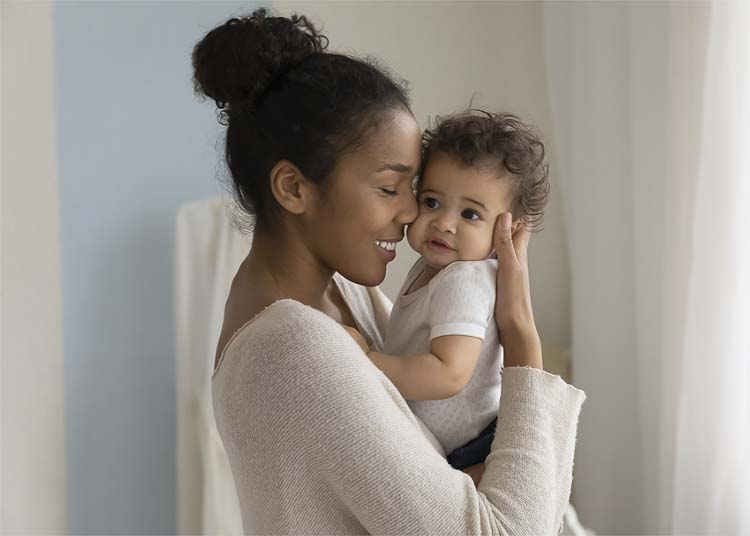
Camas dentist offers expert advice for mothers-to-be
Dr. Ronald Hsu
for Clark County Today
Having a baby is an exciting time which involves lots of planning.
Parents pick out a name, read books about what to expect, participate in birth classes, decorate the baby’s room and so much more.
But what about dental care? Even before the baby’s arrival?
Many expectant moms ignore their own basic health needs which can lead to unintended consequences for both themselves, and for their babies – because a child’s dental health begins before they’re even born.
During pregnancy, hormonal changes can make expectant mothers more susceptible to a variety of health issues, including preventable dental problems, such as gingivitis and tooth decay.
Poor maternal oral health is also a risk for babies after they are born. Children of mothers with poor oral health are more than three times as likely to have cavities as a child. You can actually reduce the chance of your child ever getting a cavity before they are even born by getting regular care.
In Washington state, it is a topic that is even more pertinent, as more than half of the state’s second graders have experienced dental decay according to Seattle Children’s Hospital.
Tooth decay – or cavities – can lead to problems with eating, speaking, playing and learning. Children with poor oral health often miss more school and receive lower grades than children who don’t, according to the Centers for Disease Control and Prevention.
These issues can be lessened with strong oral health care by mothers-to-be, so they don’t pass on unwanted bacteria to their child.
According to the National Institute of Health, pregnant women with untreated oral health problems may be at increased risk for preterm labor, low birth weight babies, preeclampsia – a condition that can lead to serious, even fatal complications for a mother and baby – and other adverse health outcomes.
In addition to hormones, other changes can cause women’s dental health to suffer during pregnancy, including:
- Morning sickness-induced vomiting, which can damage teeth.
- Nausea which makes brushing or using toothpaste unappealing.
- Stress and extra responsibilities in preparing for a child or attending prenatal appointments, which can lead people to skip dental appointments or neglect their personal oral health.
- Changes to eating habits, such as more frequent snacking.
Infants can pick up bacteria from their mother’s oral cavity, which can lead to early childhood caries, which is one of the most prevalent diseases in childhood and can affect your child’s physical, emotional and social well-being. According to the NIH, poor maternal oral health, malnutrition and environmental factors can also lead to development delays and disruptions in enamel formation.
The easiest way for mothers to combat these potential pitfalls in their child’s health is to visit their dentist when they find out they are pregnant to make sure their mouth is in good working order.
Proactive dental care is often much cheaper than reactive dental care and helps mothers and babies alike avoid costly trips to urgent dental care.
If cost is an issue for the mother, there are statewide assistance programs supported by Arcora Foundation, including:
- Access to Baby and Child Dentistry (ABCD) program connects Apple Health (Medicaid) insured children from birth up to age 6 (and children with special health care needs up through age 12) with specially trained dentists in their communities.
- DentistLink.org (1-844-888-5465) is a no-cost referral service which connects people to care whether they have insurance, including Apple Health (Medicaid) or not. DentistLink helps people find dental care near them and provides resources to other services — such as interpretation and transportation — to support their good oral health.
- SmileMobile is a three-chair modern dental office – in partnership with Seattle Children’s – on wheels which provides oral health services to children and their families who have limited options for dental care, including dental exams for people insured by Apple Health (Medicaid) or who don’t have dental insurance.
- Preventive oral health education in early learning programs, such as The Tooth Fairy Experience presented by Delta Dental of Washington in partnership with Arcora Foundation, School Nurse Organization of Washington and Washington State Dental Association.
These programs combined with proper oral health care routines by mothers-to-be are an important way to try and combat the instances of oral health problems in our youth going forward.
For more information about perinatal oral health, visit Delta Dental of Washington’s blog.
Dr. Ronald Hsu is a board-certified pediatric dentist in Camas who serves as one of Delta Dental of Washington’s dental spokespersons.

Also read:
- POLL: After hearing state leaders describe the I-5 Bridge as vulnerable in an earthquake, what is your reaction?
 State and local leaders describe the I-5 Bridge as structurally at risk but recommend drivers continue crossing it while complex replacement plans unfold.
 - Opinion: Historical state income tax and another massive operating budget highlight the end of the 2026 legislative session
 Rep. John Ley details the passage of a state income tax, an expanding $80 billion budget, and new Clark County infrastructure funding following the 2026 legislative session.
 - Opinion: Fighting for transparency in Washington government
 A recent court decision allows Washington lawmakers broad new secrecy over internal records, as advocates report rising obstacles to government transparency and public engagement.
 - Opinion: Attacking Democracy in the name of Democracy
 Ryan Frost critiques several 2024 legislative bills, warning unchecked Democrat dominance enables policies that erode local accountability, block referenda, and threaten citizen participation.
 - Opinion: Washington passed an income tax to fund education, then the same majority cut education — and left $700+ million on the table
 State officials passed a new income tax to fund education, then approved over $1 billion in cuts—while forgoing $700 million in annual federal scholarships students could have received.
