



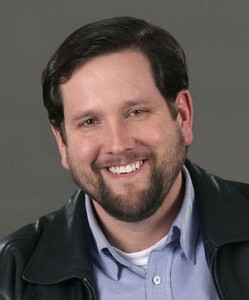
David Boze of the Washington Policy Center addresses the issue of school closures during the past two years and the potential for more going forward
David Boze
Washington Policy Center
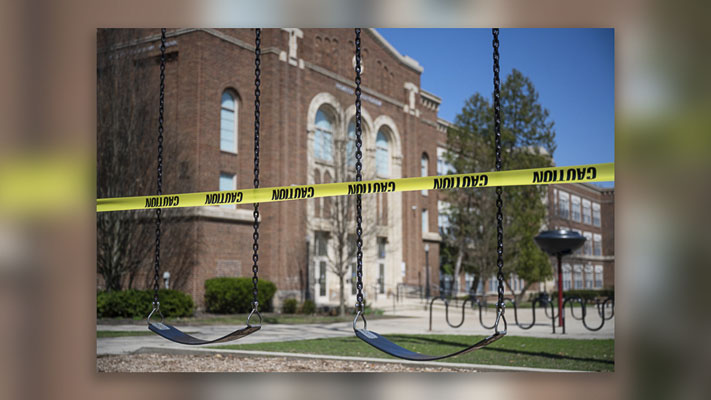
Washington state public schools were closed nearly two years in response to the COVID pandemic, longer than health authorities recommended, and well after evidence was building that such a policy inflicted more harm on kids than gain in public health. But we kept them closed.
The initial closure is understandable. Public health authorities were dealing with a new disease of relatively unknown strength and consequence. COVID generated a great deal of fear, fear of crowds and fear of close contact, both of which schools have in abundance. But at a certain point, officials could see through the example of other states and even other countries, that there were ways to re-open schools and minimize or prevent learning loss and social harms, yet our schools remained closed.
Liv Finne, WPC’s Center for Education director, has just released a new study, “The effect of emergency-ordered school closings, learning loss and mask mandates on children,” which compels us to ask not only why that policy continued as long as it did, but also why we, as a state, don’t seem to be looking harder at making sure such closures don’t happen again, barring the most extreme of circumstances.
The study aggregates some of the harms inflicted on Washington students of all ages, from emotional harm to severe learning loss (hitting hardest minority children, kids from lower income families, and students with special needs), and reveals a system not up to the challenge of addressing the harms it inflicted. Given research showing that these harms could create significant losses in lifetime earnings potential, among other things, parents are bound to read this report and ask themselves what aspects impacted their own children.
Washington Policy Center is proud to release works like this one that challenge the status-quo and ignite conversations that otherwise would’ve been swept aside. And while it’s important that public officials be held accountable, the point here is not to blame officials but inspire better policy approaches and most importantly in this case, approaches that put the children first.
Liv’s full study is linked below, and I have listed some key takeaways I had from reading it myself. Over the next few days we’ll release related videos and images. We hope the study raises issues important to you and that you’ll consider sharing our related content on your platforms throughout the next couple weeks.
Key takeaways
- Rather than advancing students a grade based on their actual gains in learning, in 2021 education officials essentially extended social promotion to all 1.1 million public school children.
- Research shows many students suffered long-term learning loss and psychological and emotional harm due to the governor’s extended school closure policy
- State test scores show public schools failed to adequately educate 70 percent of students in math and 52 percent of students in English.
- Low-income students were most severely affected, with 8,700 fewer such students applying for state-funded college scholarships.
- Researchers warned closing schools would inflict student harm “that could last a lifetime,” especially for low-income Hispanic and black students, increasing achievement gaps by 15-20 percent.
- Washington public schools received operating funding at the highest levels in history during the COVID crisis, despite school closures.
- In June of 2020, researchers at McKinsey and Company warned that two to nine percent of high school students would drop out, and that U.S. students may lose, on average, a year’s worth of full-time work in lifetime earnings as a result of COVID-relating learning losses.
- Researchers at Brown University found a 23 percent drop in IQ for very young children caused by mandated mask and social distancing requirements.
- The mandate policy that closed schools long term caused many children with special needs to regress and lose what they had learned in the past.
- Isolating teenagers from social contact with peers for nearly two years increased their levels of anxiety and stress, problems which may persist with long-term consequences.
Read the full Policy Brief here.
David Boze is the communications director at the Washington Policy Center.
Also read:
- Vancouver Police release critical incident video from Dec. 28 officer-involved shooting
 Vancouver Police Department released a Critical Incident Video related to a December 28 officer-involved shooting while the Office of Independent Investigations continues its review.
 - Opinion: Transit agencies need accountability not increased state subsidy
 Charles Prestrud argues that Washington transit agencies face rising costs and declining ridership due to governance structures that lack public accountability.
 - Letter: ‘For years, American foreign policy too often felt like a blank check’
 Vancouver resident Peter Bracchi argues that the 2025 National Security Strategy marks a long-overdue shift toward clearer priorities, shared responsibility, and interest-based American leadership.
 - POLL: Are you better off than you were a year ago?
 This week’s poll asks readers to reflect on their personal financial situation and whether they feel better off than they were a year ago as economic conditions continue to shift.
 - Opinion: Does tailgating cause speeding?
 Target Zero Manager Doug Dahl examines whether tailgating contributes to speeding and explains why following too closely increases crash risk with little benefit.
 - Opinion: ‘The Democrats’ part of the bargain’
 Clark County Today Editor Ken Vance reflects on a New Year’s Eve encounter and a Bill Maher commentary to assess what he sees as cultural and political changes from the past year.
 - Free fares on New Year’s Eve is a big hit with C-TRAN riders
 C-TRAN’s New Year’s Eve free-fare program provided extended late-night service and a safe transportation option for riders across Clark County just after midnight.
 wpDiscuz
