




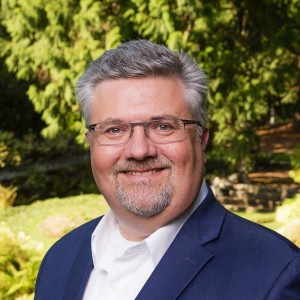
Mark Harmsworth of the Washington Policy Center points out that the results of a high artificial minimum wage are exactly the opposite of the proponents desired result
Mark Harmsworth
Washington Policy Center
Washington State Labor and Industries (L&I) has announced that 2023 minimum wage rate will be set at $15.74 which is a $1.25 increase over 2022.
In a press release on the L&I website, the agency attributes the 8.66% increase to change in “the cost of common goods such as housing, food, and medical care as reflected in the Consumer Price Index.”
According to minimum-wage.org, Washington will have the highest statewide minimum wage in the country. The highest minimum wage in the nation, including municipalities that can set their own rates, is in Washington state, Sea Tac at $17.53 followed by Seattle at $17.27.
The federal minimum wage is $7.25.
Increasing the minimum wage to such a high level destroys jobs, reduces available work hours and causes inflation. Businesses will often relocate away from areas that have high minimum wages creating longer commutes for workers that chose to stay with the employer or elimination of the jobs completely.
Nowhere is the harm imposed by a high minimum wage demonstrated more clearly than in Seattle, where the city council has aggressively increased the minimum wage over the last few years. The rash of restaurant closures and lost jobs can be attributed, in many cases, directly to the additional fiscal cost the minimum wage increases have caused.
As a recent University of Washington study concluded, “local minimum wage laws are not likely to substantially reduce earnings inequality,” it is obvious that government controls on wages, such as minimum wage and hazard pay have no long-term effects on workers’ overall income. The results of a high artificial minimum wage are exactly the opposite of the proponents desired result. High minimum wages reduce income and destroy jobs for those lower wage earners.
Mark Harmsworth is the director of the Small Business Center at the Washington Policy Center.

Also read:
- Opinion: Sheriffs fight back
 Four county sheriffs are suing to block a new law giving a governor-appointed board power to decertify and remove sheriffs, bypassing voter oversight in Washington.
 - Opinion: The growing gap between public voice and political power
 Todd Myers describes how large-scale protest and sign-ins often fail to sway state leaders, and argues authentic influence is most likely found through local action.
 - Opinion: Who is winning the race for affordable power?
 Hydroelectric power keeps Washington competitive, but new laws and carbon pricing are driving up electricity costs for residents each year.
 - Opinion: Half the road, full stop – Understanding pedestrian right-of-way
 Doug Dahl explains how Washington’s law requires drivers to stop when a pedestrian is within one lane of their half of the road, not just when directly in front.
 - Opinion: The state’s RFK-proofing bill comes with a cost
 Mandates like HB 2242 can lead to higher premiums as insurance companies absorb costs for new preventive services, affecting affordability statewide.
 wpDiscuz
