



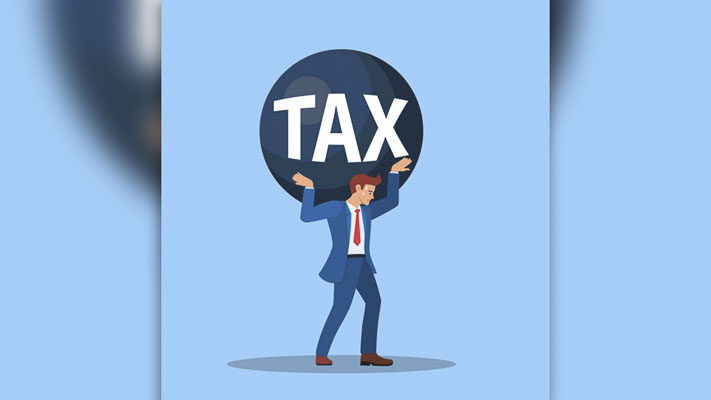
Mark Harmsworth of the Washington Policy Center explains that reducing the regulations and taxes on business will reduce consumer prices and provide budgetary relief
Mark Harmsworth
Washington Policy Center
The annual Ernst and Young report to the Council on State Taxation (COST) continues to illustrate the struggle business owners in Washington state are having to meet the ever increasing tax burden and maze of regulations that the state legislature mandates.

Ultimately, a new regulation or tax on a small business is passed onto the consumer as a price increase in products and services provided.
The report highlights that business paid $23.5 billion in total state and local taxes in fiscal year 2020. The average taxes paid per employee by a business to the state $8,100. Washington continues to rely heavily on its businesses for tax revenue, with Washington businesses paying nearly half the tax revenue collected by state and local government agencies.
Washington is ranked 9th highest in the nation on the business un-friendly list, even outranking California.
Hidden in the numbers are the costs to comply with tax filing, state regulations, state audit costs and government mandates on small business. Some businesses have full time employees just to deal with government regulation. Over burdensome regulations and taxes, such as the proportional sales tax, municipal head tax on employees and unemployment taxes create a compliance nightmare for small business that do not have the time or revenue to dedicate an employee for the filing requirements.
One of the most punitive taxes, hidden from consumers and baked into in the cost of a producing product or providing a service, is the state Business and Occupation (B&O) tax. This tax represents 19.1% of the taxes a business pays and is calculated on gross revenue, allowing no deductions for costs. Even a business that looses money has to pay B&O tax on any revenue generated.
Business taxes are not a tax that someone else pays, ultimately the tax is passed onto the consumer as no business could be profitable without doing so.
Reducing the regulations and taxes on business, particularly small business will reduce consumer prices and provide budgetary relief. This is particularly needed during the continued inflationary pressure caused by the policies of both Washington State and the Federal government.
Mark Harmsworth is the director of the Small Business Center at the Washington Policy Center.

Also read:
- Letter: Public school vision
 Clark County resident Larry Roe urges a deeper community discussion about public school priorities, levy funding, and the long-term affordability of education for local families.
 - Opinion: House Bill 1834 would create a regulatory nightmare and restricts parental control on social media
 Mark Harmsworth argues that House Bill 1834 would undermine parental authority and create sweeping regulatory and legal risks under the guise of protecting minors online.
 - Opinion: HB 2100 – Tax employers for paying people well? It’s for the needy, sorta
 Elizabeth New (Hovde) argues House Bill 2100 would raise costs, discourage job growth, and expand state spending power under the banner of helping people in need.
 - Opinion: IBR’s evasive, misleading and dishonest excuses for higher cost
 Joe Cortright argues the Interstate Bridge Replacement Program has withheld detailed cost estimates while offering contradictory explanations for rising costs tied to the I-5 Bridge project.
 - Opinion: The limits for drug-impaired driving
 Target Zero Manager Doug Dahl explains how Washington law defines drug-impaired driving and how officers are trained to recognize impairment beyond alcohol limits.
 wpDiscuz
