



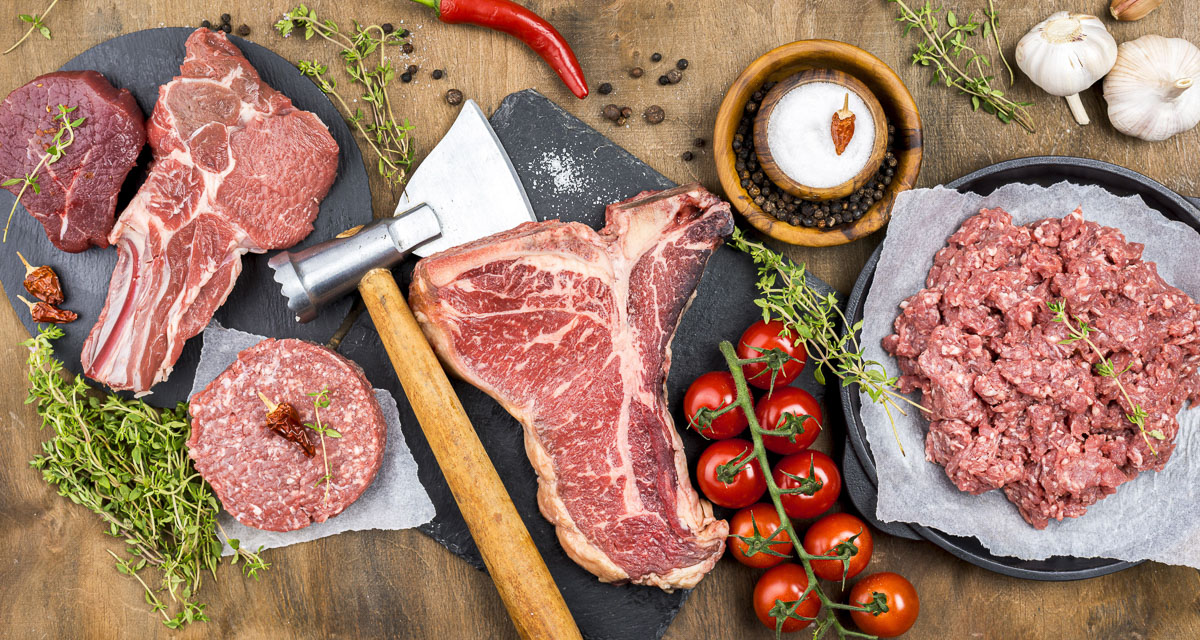
According to the U.S. Department of Labor, the cost of beef and veal rose nearly 14 percent year-over-year in August
Pam Lewison
Washington Policy Center
Trying to “fix” the cost of beef is anti-agriculture and anti-free market. The president recently suggested the United States would purchase beef from Argentina to flood the American market and drive the cost of U.S. beef down.
This plan is absurd.

The comments came over the weekend while the president was flying from Florida to Washington D.C., according to several reports. The plan to drive down the cost of American beef prices by purchasing Argentinian beef and dropping it into the American market has sparked outrage since the news broke.
According to the U.S. Department of Labor, the cost of beef and veal rose nearly 14 percent year-over-year in August. However, new research indicates the true cost of beef to consumers is not reflected in grocery store prices because it does not account for in-store discounts or weekly sales.
Additionally, it is worth noting American ranchers are a rare bright spot in the agricultural economy at the moment. Median farm income is forecast to increase from -$1,830 in 2024 to -$1,189 in 2025, thanks to an increase in take-home pay from off-farm income. Farm sector debt is also forecast to increase in 2025 to a total of $591.8 billion, between real estate and non-real estate debt combined.
Beef has maintained its value because the current national herd is the smallest it has been in more than 70 years because of increased demand and continued high prices. The stability of the beef market in recent times has made up for the volatility of the rest of the agricultural sector, where commodity prices are depressed by poor trade relations with our three biggest trade partners – China, Mexico, and Canada – and high yielding harvests, which have created a commodity surplus.
Finally, it is worth noting that beef is not the only protein available on the market. There are cuts of beef and recipes for virtually any budget. However, if beef simply seems out of reach based on per pound price, there are meats like pork and chicken which are readily available for less cost per pound.
There are no “quick fixes” to the cost of beef because there are no fixes needed. Flooding the U.S. market with lesser priced beef from another country under-cuts American producers and undermines free market principles. The free market espouses minimizing government interference and allowing supply and demand to dictate the cost of goods. The plan proposed by the president is in direct conflict with both the free market and American ranchers. The best plan in this instance is to let the market continue to run its course.
Pam Lewison is the director of the Center for Agriculture at the Washington Policy Center.

Also read:
- Opinion: Sheriffs fight back
 Four county sheriffs are suing to block a new law giving a governor-appointed board power to decertify and remove sheriffs, bypassing voter oversight in Washington.
 - Opinion: The growing gap between public voice and political power
 Todd Myers describes how large-scale protest and sign-ins often fail to sway state leaders, and argues authentic influence is most likely found through local action.
 - Opinion: Who is winning the race for affordable power?
 Hydroelectric power keeps Washington competitive, but new laws and carbon pricing are driving up electricity costs for residents each year.
 - Opinion: Half the road, full stop – Understanding pedestrian right-of-way
 Doug Dahl explains how Washington’s law requires drivers to stop when a pedestrian is within one lane of their half of the road, not just when directly in front.
 - Opinion: The state’s RFK-proofing bill comes with a cost
 Mandates like HB 2242 can lead to higher premiums as insurance companies absorb costs for new preventive services, affecting affordability statewide.
 wpDiscuz
