


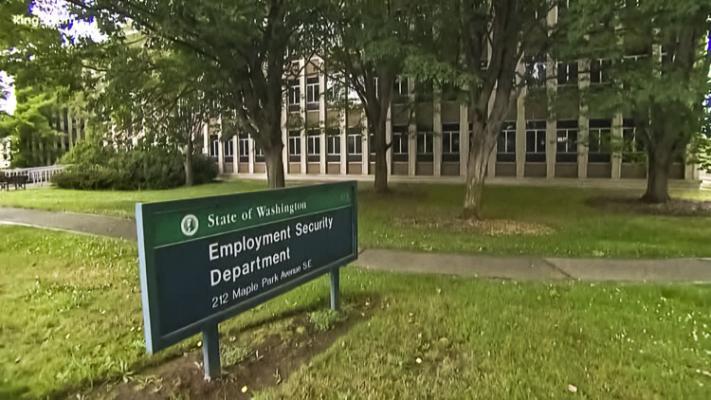
Mark Harmsworth of the Washington Policy Center believes ESD officials need to provide the public with more transparency into its internal policies
Mark Harmsworth
Washington Policy Center
The Employment Security Department (ESD) has been riddled with problems, including a Nigerian fraud scam that lost the state taxpayers 100’s of millions of dollars and State auditor’s assessment of the systemic lack of fraud controls at the troubled agency.

Now the taxpayers will be footing the bill for ESD’s benefit overpayment mistakes.
A bureaucratic failure to communicate clearly has left thousands of residents receiving incorrect unemployment benefit amounts and, in some cases, overpayment of benefits. ESD has stated that due to the federal government Pandemic Unemployment Assistance (PUA) benefit ending, claimants were required to re-file for unemployment and ESD issued notices instructing claimants on what needed to be done. The notifications for this change were poorly communicated and many claimants have been asked to repay the overpayments.
ESD has been trying to get the money back for the last two years according to the Seattle Times. Approximately 115,000 Washington residents owe $1 billion in over payments.
ESD has announced that it is now stepping up the campaign to inform workers that were overpaid of the federal forgiveness program but as many claimants are discovering, contacting the agency for a resolution, which has seen a 75% cut in customer service staffing, is difficult. Even if you are able to contact an ESD staff member, payments for benefits and a resolution to the overpayment problem can take months.
The federal government updated its guidance in 2022 and now allows states to waive the overpayment.
ESD incompetence has placed many Washington residents that claimed benefits in a difficult situation. Many did not know they were not eligible for benefits, yet the agency continued to pay them. Little or no auditing was performed by ESD, obviously, since the mistake was not corrected immediately.
The scale of the error ($1 Billion) shows the immediate need for ESD review by outside agencies.
ESD officials need to provide the public with more transparency into its internal policies, improve fund balance reporting accuracy, data timeliness and data availability.
Additionally, ESD needs to provide improved authentication and fraud protections against scams and individual fraudulent claims and needs reform to employer taxation policy and trust fund use.
In addition to ESD completing the current audits, regular bicameral legislative oversight of ESD is required.
For all of the Washington Policy Center recommendations, read the full Policy Brief here.
Mark Harmsworth is the director of the Small Business Center at the Washington Policy Center.

Also read:
- Opinion: Were Republican voters just sleeping during the August primary election?
 CCRP Chairman Matt Bumala says 60% of primary no-shows in the 17th and 18th districts were Republicans.
 - Opinion: WA Cares’ launch showcased care WA Cares did not provide
 Gov. Ferguson showcased a caregiving arrangement at the WA Cares launch that the program had not paid for a single day of.
 - Opinion: Portland’s War on Cars Part 4 – A smarter automobile strategy to end gridlock
 O’Toole argues fuel wasted in Portland-area congestion has sextupled since 1982, generating 250,000 tons of extra greenhouse gases annually.
 - Opinion: The Tooth Fairy’s secrets to making brushing & flossing magical
 Delta Dental of Washington’s Tooth Fairy Experience offers free resources to help children build lifelong brushing and flossing habits.
 - Opinion: Transit ridership trends are dismal but regional plans are oblivious
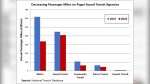 Puget Sound transit passenger-miles fell 31% from 2015 to 2024 despite a half-million-resident population increase.